%20%20--%3E%0A%3Csvg%20version%3D%221.1%22%20id%3D%22Layer_1%22%20xmlns%3D%22http%3A%2F%2Fwww.w3.org%2F2000%2Fsvg%22%20xmlns%3Axlink%3D%22http%3A%2F%2Fwww.w3.org%2F1999%2Fxlink%22%20x%3D%220px%22%20y%3D%220px%22%0A%09%20width%3D%2239px%22%20height%3D%2240px%22%20viewBox%3D%220%200%2039%2040%22%20enable-background%3D%22new%200%200%2039%2040%22%20xml%3Aspace%3D%22preserve%22%3E%0A%3Cpath%20fill%3D%22%23FFFFFF%22%20d%3D%22M38.5%2C7H28.2v26h10.3V7z%22%2F%3E%0A%3Cpath%20fill-rule%3D%22evenodd%22%20clip-rule%3D%22evenodd%22%20fill%3D%22%23FFFFFF%22%20d%3D%22M26.1%2C25.5c0%2C5.8-4.1%2C7.5-12.9%2C7.5C3.9%2C33%2C0%2C31.2%2C0%2C25.2v-1.1h11.6%0A%09v2.4c0%2C0.7%2C0.1%2C1.4%2C1.2%2C1.4c1%2C0%2C1.2-0.4%2C1.2-1.3v-0.9c0-1.6-0.9-1.6-3.5-2.2C2.2%2C21.7%2C0%2C19.7%2C0%2C15.3v-0.9C0%2C9.3%2C5.5%2C7%2C12.9%2C7%0A%09c10.2%2C0%2C12.8%2C2.6%2C12.8%2C7.4v1.8h-11v-2.9c0-0.6-0.4-1.1-1.2-1.1c-0.6%2C0-1.2%2C0.4-1.2%2C1.1v0.9c0%2C1.5%2C0.9%2C2%2C3.3%2C2.5%0A%09c8%2C1.6%2C10.5%2C3.3%2C10.5%2C7.5V25.5z%22%2F%3E%0A%3C%2Fsvg%3E%0A)
The Magic Eight: One of these teams will win the NCAA tournament

The Magic Eight is an annual SI.com tradition in which I unveil an eight-team list that's guaranteed to contain the national champion, two months before the title game. How is that any kind of feat? Well, the NCAA tournament is an unpredictable beast, its six-game, single-elimination format allowing for far more variance than the NBA playoffs. My personal case of 'Bazz Blindness led me to omit UConn in 2014 -- a grand failure that I used as motivation to get into the best prognosticating shape of my life for 2015. There are also self-imposed rules that prevent the Magic Eight from being too obvious: At least two teams from the top eight of the latest Associated Press poll have to be left out, and at least one pick has to come from outside the top 15. Here's what teams made the cut (in no particular order), along with the most notable omissions:
The Magic Eight
Kentucky
Need this be explained? A historically great defense -- that's impossible to score on in the paint -- paired with a top-10 offense. Six out of 10 platoon members with significant NCAA tournament experience, including three who started a national title game. Nine possible NBA players in the rotation. A team that seems to play better on big stages than it does against mediocre competition. I picked the Wildcats to win it all in the preseason, and have seen nothing since to make me waver.
• MORE CBB: Dakari Johnson talks Coach Cal & more in Q&A
Wisconsin
The Badgers are on such an incredible (at least to nerds like me) run of ball-control, committing turnovers on just 10.8 percent of their possessions in Big Ten games, that this is likely to be Bo Ryan's best offensive team ever. They lean heavily on senior center Frank Kaminsky -- and what team wouldn't, seeing that he's the country's best inside/outside offensive weapon -- but second options Sam Dekker and Nigel Hayes are capable of carrying the team on Kaminsky's off-nights. I worry about their defense, which is far from elite, but they made the Final Four with a similar efficiency profile last season, and if not for Aaron Harrison's cold-bloodedness, might've won it all.
Virginia
The Cavs are the same great Pack-Line team they were last season (or maybe even a tad better). They lock down the interior, rarely break down on dribble penetration, and control the glass. It's their smart, motion offense -- heavy on curls and fade screens for accurate jump-shooters, aided by three elite offensive rebounders in Anthony Gill, Darion Atkins and Mike Tobey -- that's elevated them to true title-contender status after exiting last year's NCAA tournament in the Sweet 16.
• MORE CBB: Virginia rebounds from Duke loss with big win over UNC
Wichita State
The Shockers were certainly better-equipped to win the title last season -- at least until they were jammed into the region of death by the selection committee. But leaving the team with the most veteran, tourney-tested backcourt (Fred VanVleet, Ron Baker and Tekele Cotton) out of the Magic Eight seemed unwise. They've appeared in seven NCAA tournament games together and only lost to a champion (Louisville, 2013) or a national runner-up (Kentucky, 2014). I suspect they'll be the No. 4/5 seed that the No. 1s really want to avoid.
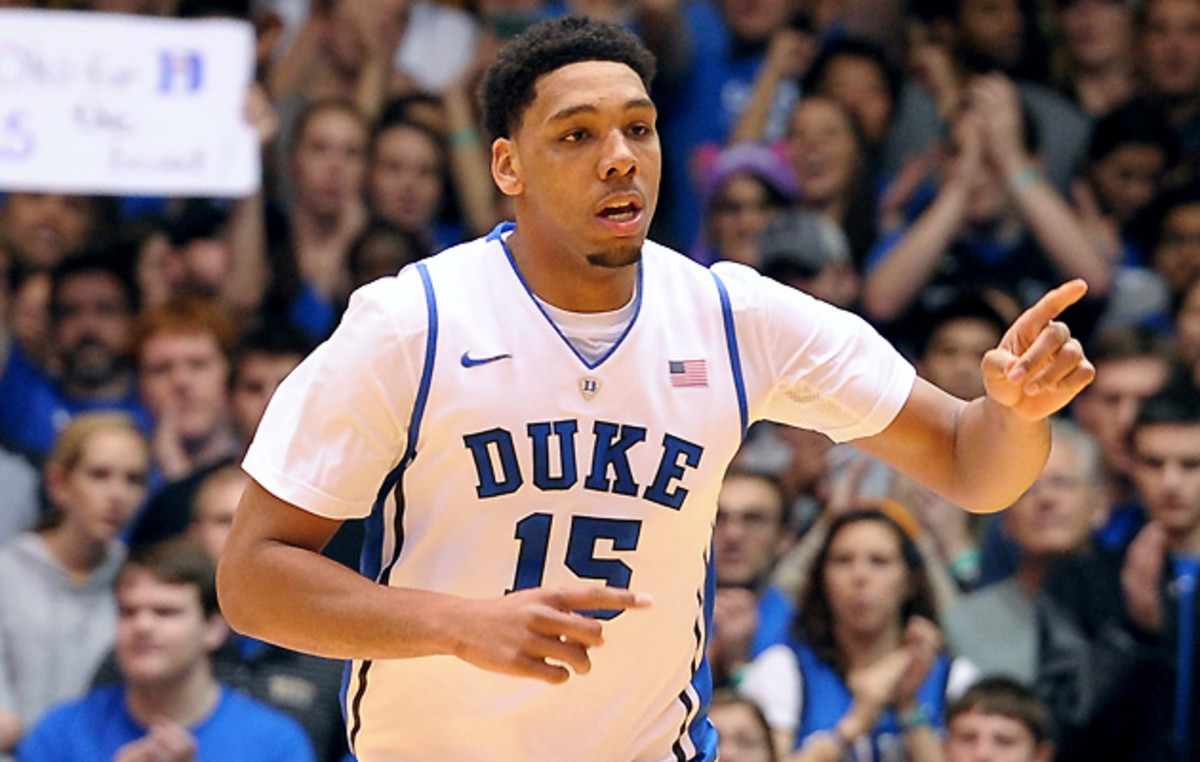
Duke
No team has a better true-road resume than the Blue Devils, and although that isn't the end-all characteristic of a champ, winning at Wisconsin, Louisville and Virginia is enough to secure a place in the Magic Eight. Duke's defense leaves something to be desired on the interior, but it's at least succeeding at limiting threes and avoiding fouls, which makes it much better than the D that sunk the Jabari Season. If the Cook-Jones-Winslow perimeter trio can stay hot for a sustained stretch, burning defenses that sell out to smother Jahlil Okafor, this team is more than capable of winning a title.
Arizona
The Wildcats' fatal flaw last season was a stagnating halfcourt offense. The freelancing and foul-drawing ability of freshman wing Stanley Johnson (and to a lesser degree, sophomore Rondae Hollis-Jefferson) has made that less of a problem, and it makes them a more attractive title pick than they were in '13-14. They may not have the all-world defense they did with Aaron Gordon and Nick Johnson, but they can still guard as well as any team other than Kentucky or Virginia -- and they're currently the best defensive rebounding team in the nation.
Utah
The whole lack-of-tourney-experience thing -- as in, zero players who've ever appeared in the dance -- gives me pause, but the Utes check other contender boxes. They have a top-10 (in efficiency) defense that excels in two key areas: protecting the interior and guarding the pick-and-roll. They have an elite senior point guard in Delon Wright, who can distribute, score and defend. They have multiple future NBA players in Wright and Jakob Poeltl. They're a strong shooting team, with 3-4 reliable long-range options, and have good offensive balance because of Wright's unselfishness. I called them my darkhorse Final Four team in the preseason, and still view them as a threat to get to Indy.
• SETH DAVIS: A guide for football fans to catch up on college hoops
Kansas
The past few KU teams were doomed in the NCAA tournament by unsteady point guard play, but this year's version is getting fairly reliable performances by the duo of Frank Mason and Devonte Graham. If five-star freshmen Kelly Oubre Jr. and Cliff Alexander continue their incremental progress into March and April -- Alexander is capable of being one of the nation's best interior scorers and all-around rebounders, but doesn't do it consistently enough yet -- the Jayhawks can make a deep run. A well-timed streak of hot three-point shooting from Mason, Oubre, Wayne Selden and Brannen Greene could make them a surprise champ.
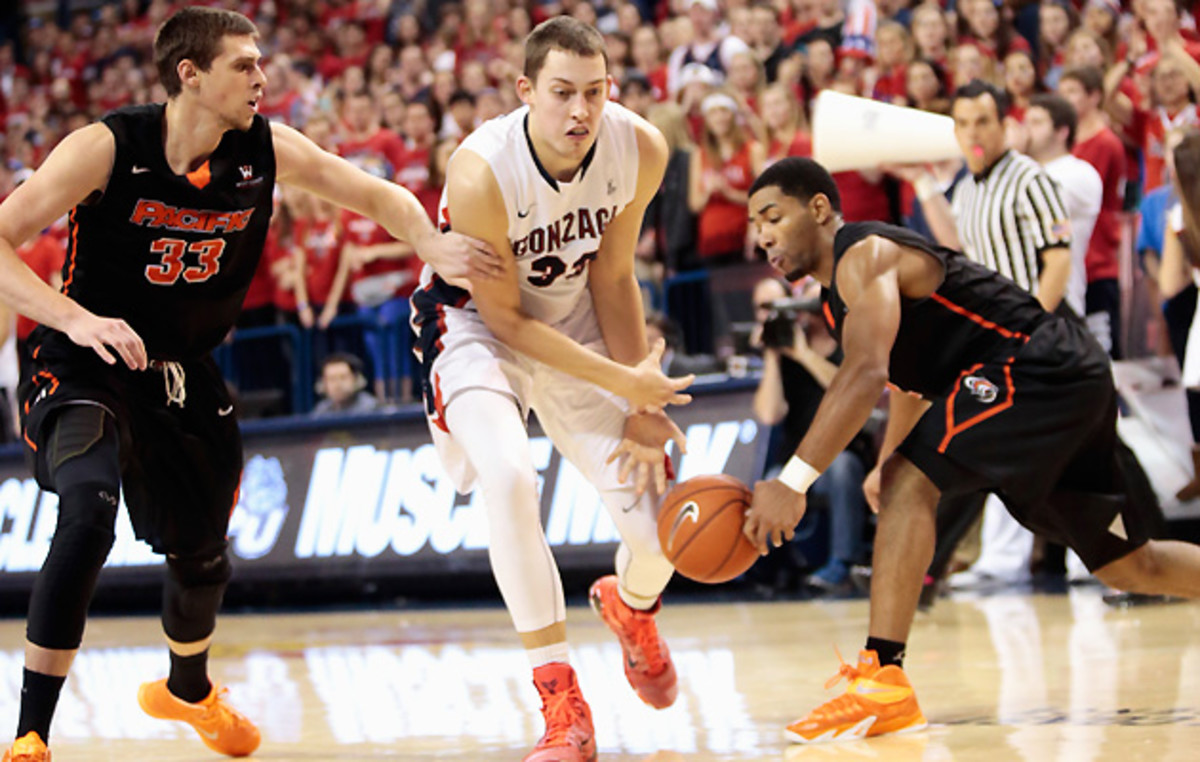
Notable Omissions
Gonzaga: Leaving the No. 2 team in the AP poll off the list is a very notable omission, but the Magic Eight wouldn't be interesting if it had every elite team. I think these Zags are Mark Few's best team ever -- better than the Morrison teams, better than the No. 1 seed that lost to Wichita State in 2013, and worthy of a No. 1 seed this season. I can see them getting to Indy out of the West Region; what I have a harder time envisioning is them knocking off Kentucky, Wisconsin, Virginia or Duke in a Final Four or national title game. That's my imperfect rationale for giving Gonzaga the ax.
Villanova: The Wildcats are back in the top 10 of the polls and the efficiency rankings, and they should win their second straight Big East title. But their recent NCAA tournament history, their '14-15 performance away from home, and their heavy reliance on the three-pointer make me hesitant to label them a serious title contender.
Louisville: Rick Pitino has taken an offensively challenged team to the Final Four before -- see Louisville in 2012 -- but this version's shooting issues and lack of backcourt depth seem too significant to allow them to win six NCAA tourney games in a row.
• MORE CBB: Terry Rozier among best sophomores in Wooden Watch
North Carolina: Marcus Paige is the kind of clutch scoring guard that could make me pay for leaving the Heels off the list, but their lack of non-Paige long-range shooting, plus a defense that's a little shy of elite, is what's likely to hold them back in March.
Notre Dame and Iowa State: I love watching both these teams, and in a scenario where they get crazy-hot from long-range, they're threats to win it all ... but the track record of all-offense, no-defense teams in the NCAA tournament is less than spectacular. You don't have to defend at a Kentucky-Virginia level to win a title, but you can't rank outside the top 100 in defensive efficiency, which is the case for the Irish and Cyclones.
GALLERY: THE BEST TOURNAMENT SEEDS EVER, NO. 16 TO NO. 1
Best Tourney Seeds Ever, 16-1
Princeton
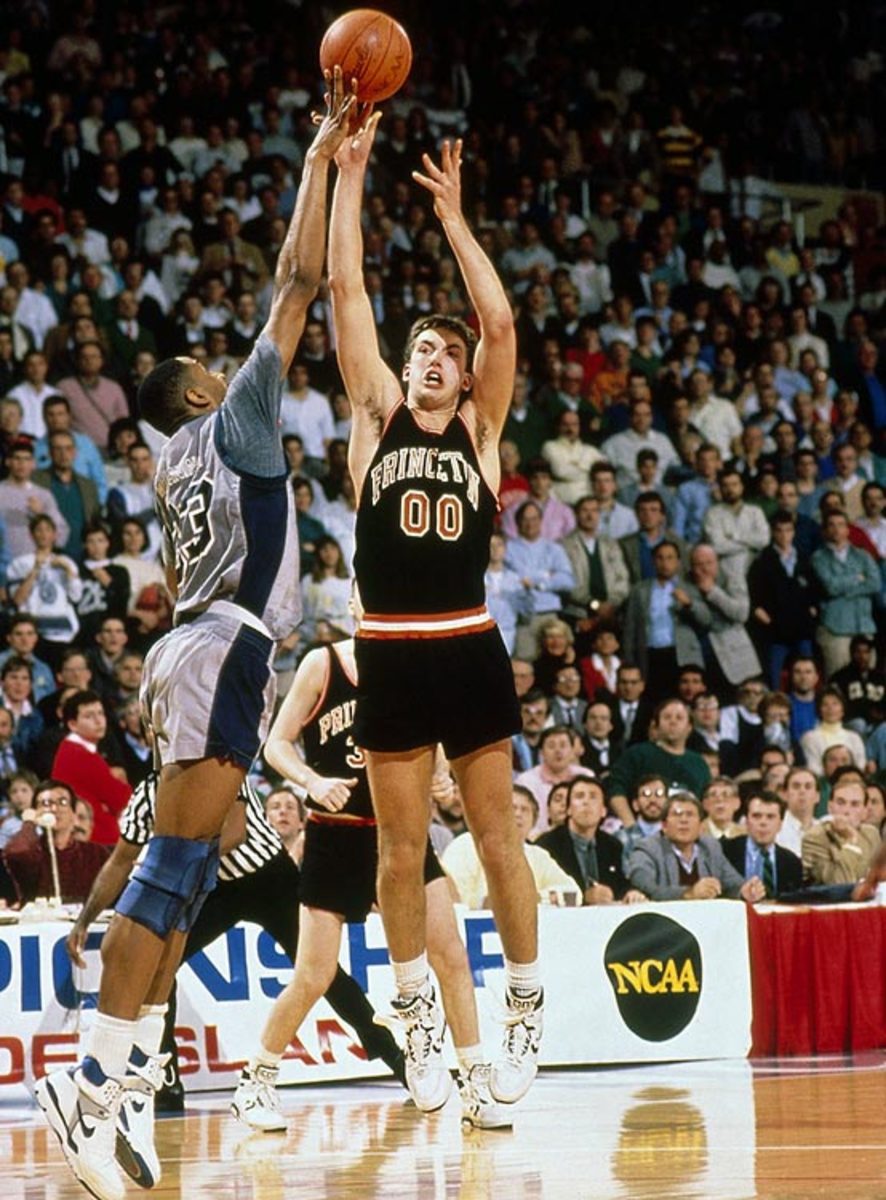
By almost eliminating top seed Georgetown in a first-round tournament game, Princeton made sure Cinderella would always get invited to the ball. Down 50-49, Princeton's Kit Mueller took the inbounds pass with one tick remained on the clock, but a game-saving block by Alonzo Mourning, who had seven blocks in the game, sealed a victory for the Hoyas.
Florida Gulf Coast
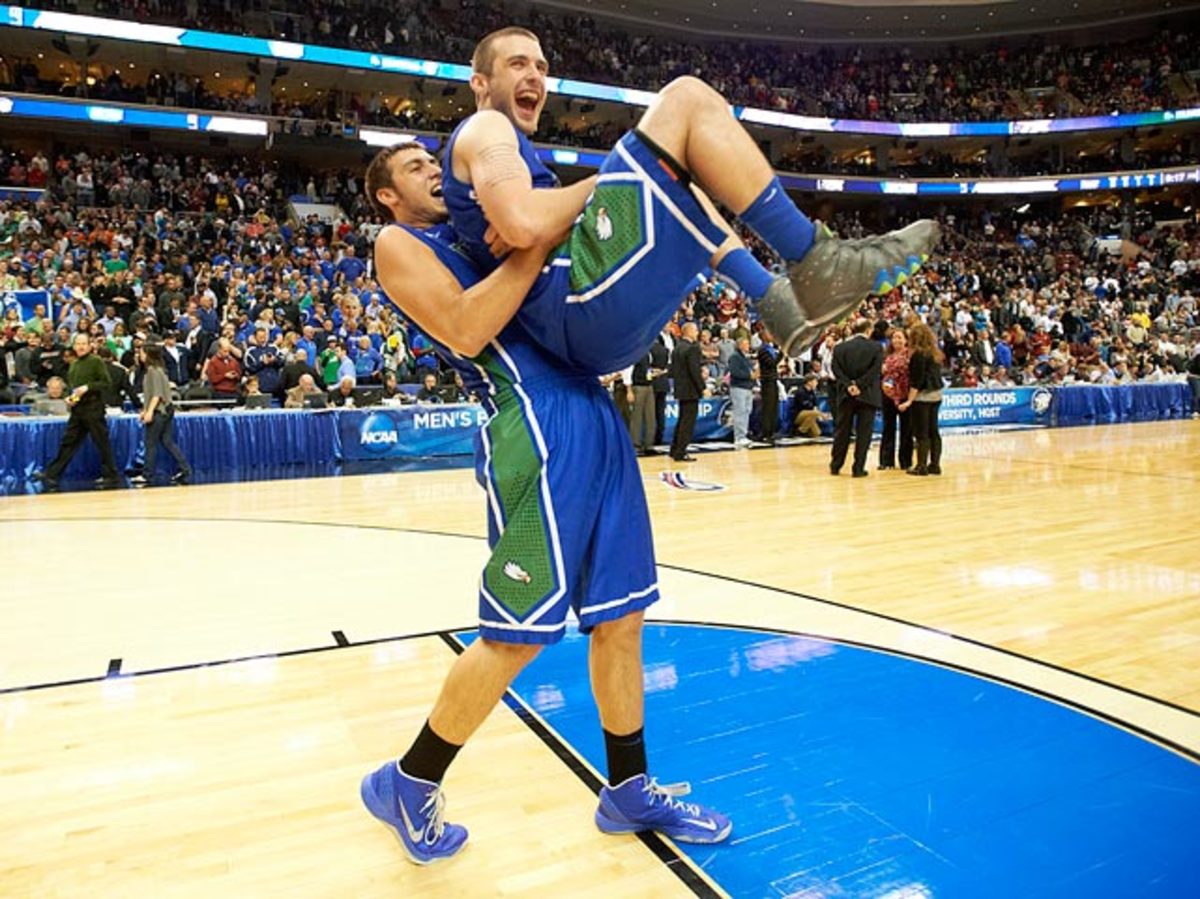
It's not just that the Eagles beat No. 2 seed Georgetown and No. 7 San Diego State. It's how they did it. Sophomore point guard Brett Comer (right) dished 31 assists in FGCU's three-game run, many of which ended with monstrous crowd-pleasing slams by Chase Fieler (left). The magical run would end against Florida in the regional semis, but not before Dunk City had become a national name.
Cleveland State
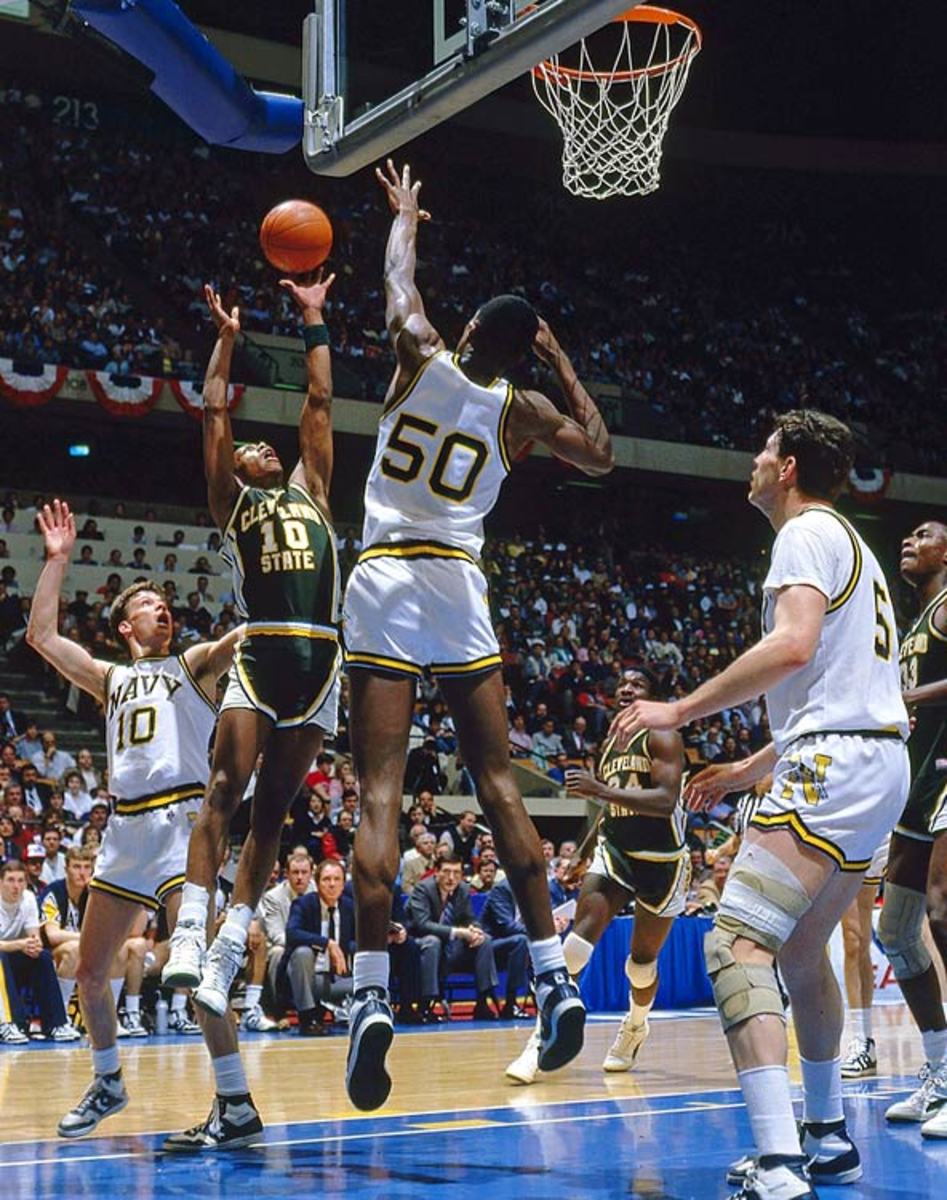
The Vikings' Run 'n' Stun style made quite an impression on the No. 3-seed Indiana, who lost 83-79 in the first round. Led by freshman point guard Ken (Mouse) McFadden, the Vikings defeated Saint Joseph's and then came within a point of beating David Robinson and Navy.
Valparaiso
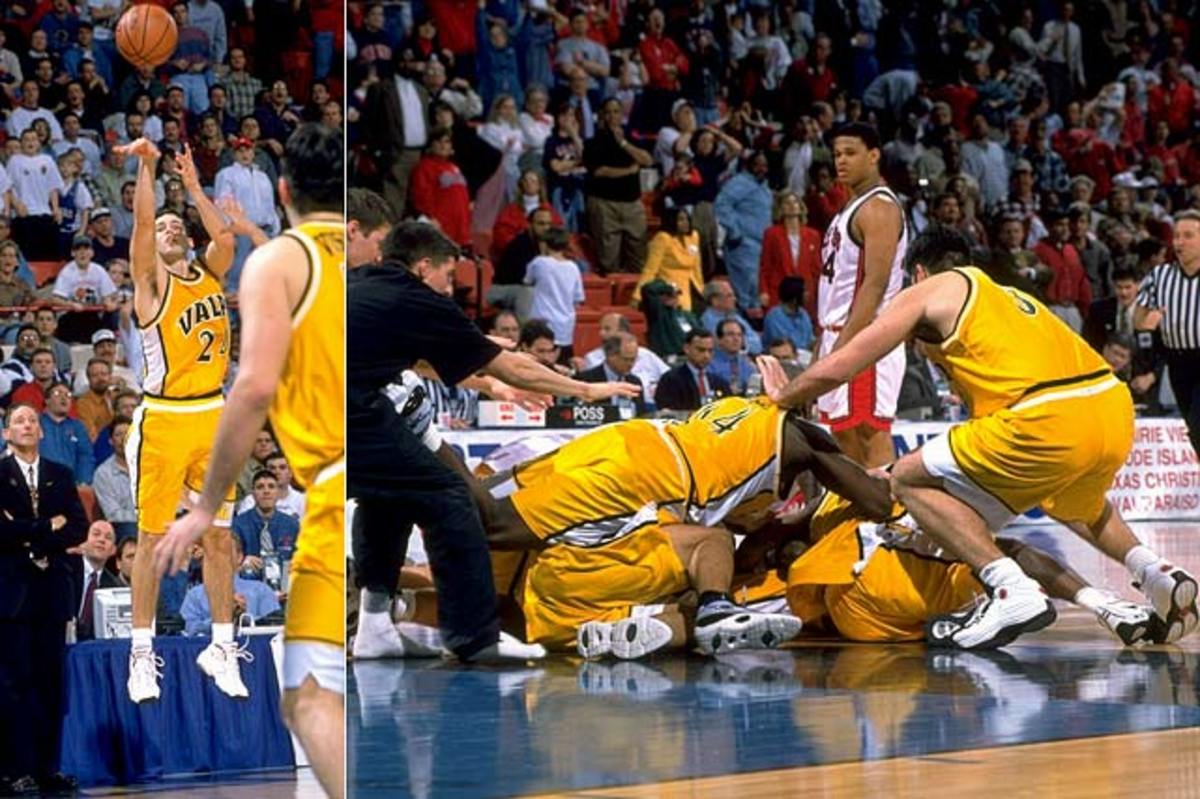
The moment has a permanent place in every Big Dance highlight reel: With 2.5 seconds to play an opening-round game against No. 4 Ole Miss, Jamie Sykes threw a 55-foot inbounds pass to Bill Jenkins, who tapped it to Bryce Drew (left) for the leaning three-pointer that upset the Rebels 70-69.
Wyoming
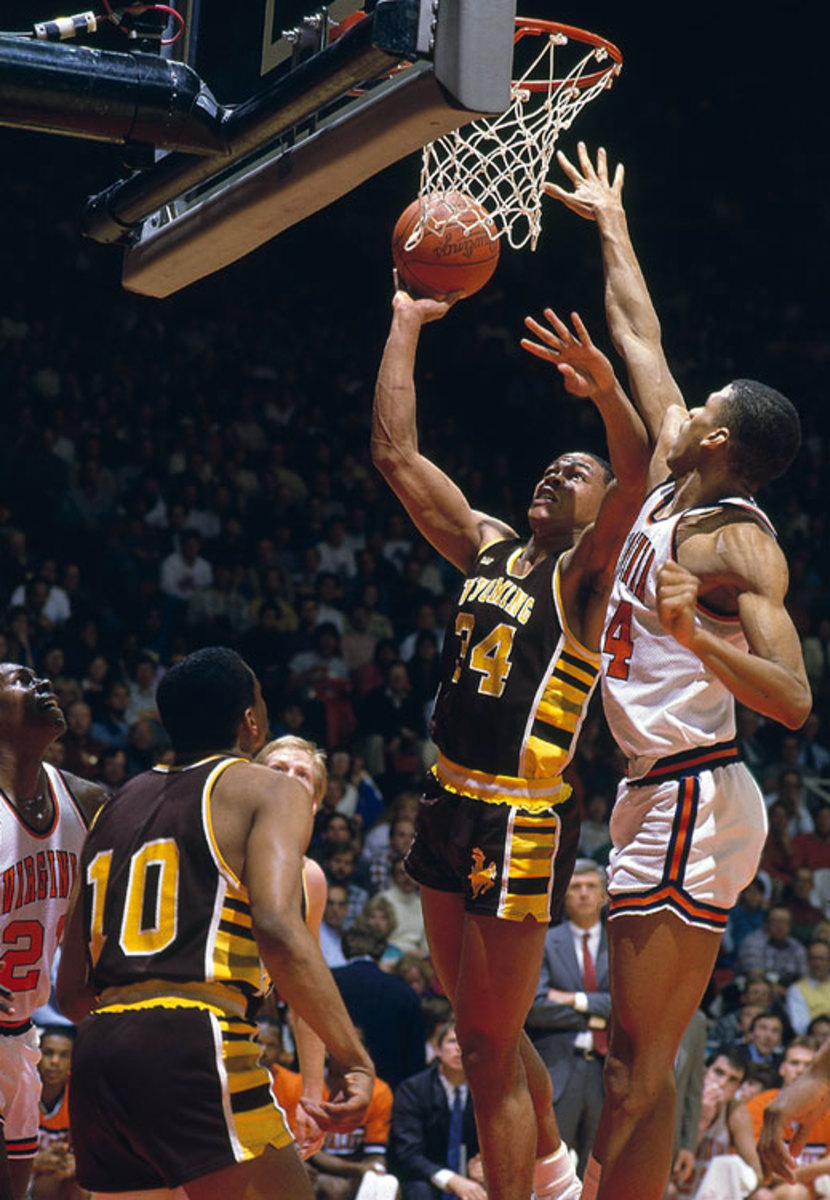
Fennis Dembo dropped 41 on Reggie Miller and fourth-seeded UCLA in the second round, stunning the Bruins 78-68. This win came just days after Dembo led the Cowboys to an upset over No. 5 seed Virginia. Wyoming's run would end in the Sweet 16, but Dembo's legend, for both his name and his game, lives on in Laramie.
George Mason
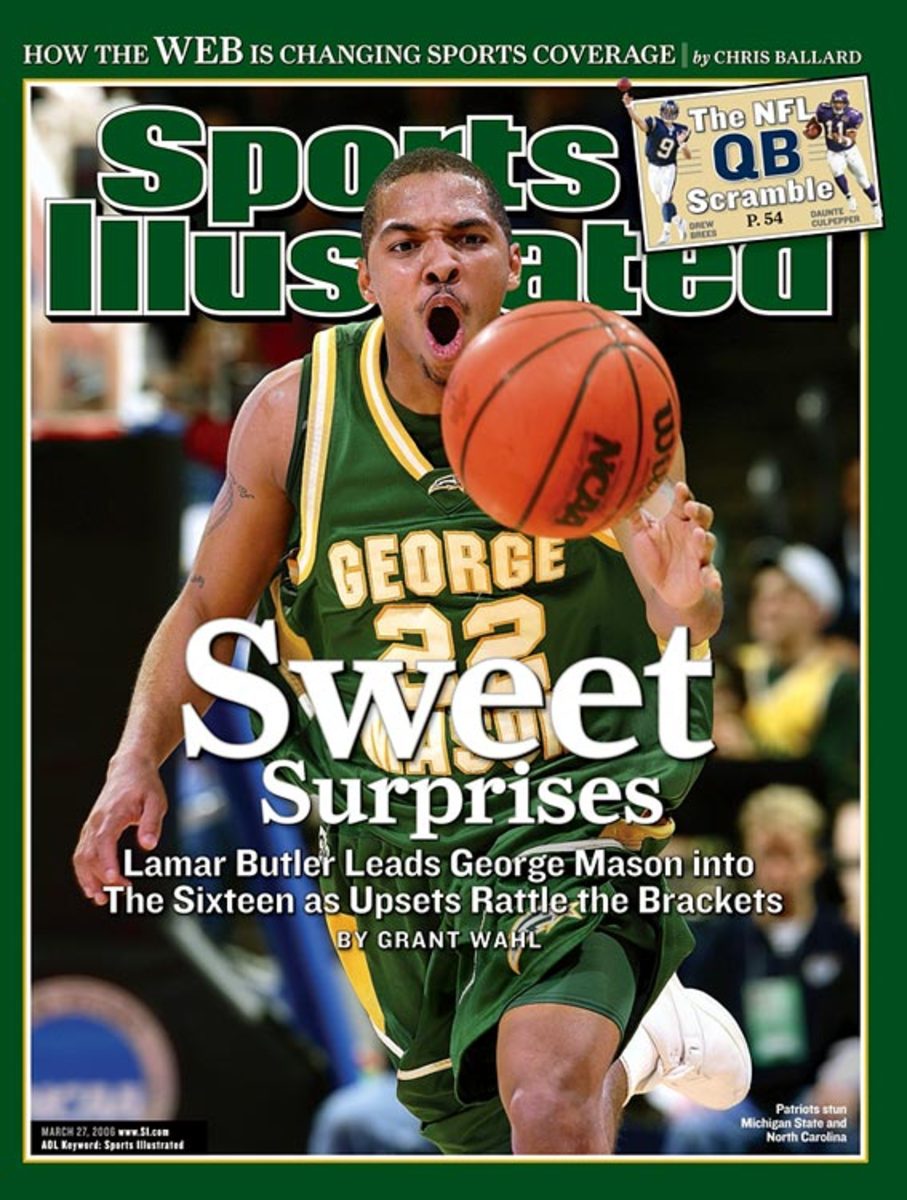
Wins over Michigan State and North Carolina proved the Patriots belonged in the field, and the 86-84 regional final win over the Huskies was one for the ages. Sophomore Folarin Campbell and senior Lamar Butler combined for five three-pointers in a 6:02 span to force overtime.
Gonzaga
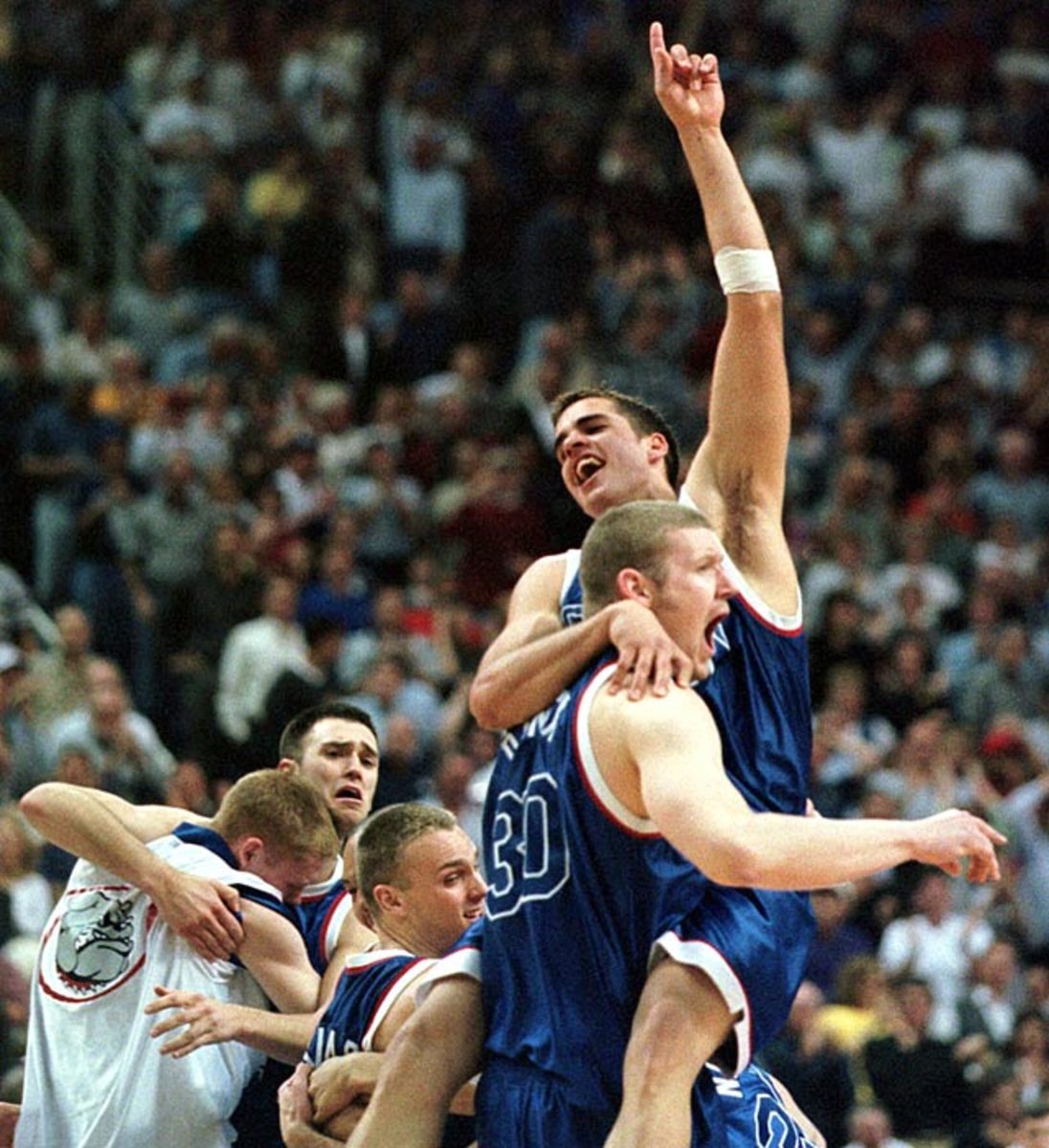
The Zags beat No. 7 seed Minnesota in the first round for their first-ever NCAA tournament win. They then took out No. 2 Stanford to reach the Sweet 16. But it was a victory against Florida that vaulted the tiny Jesuit school into the Elite Eight and national prominence.
Wichita State
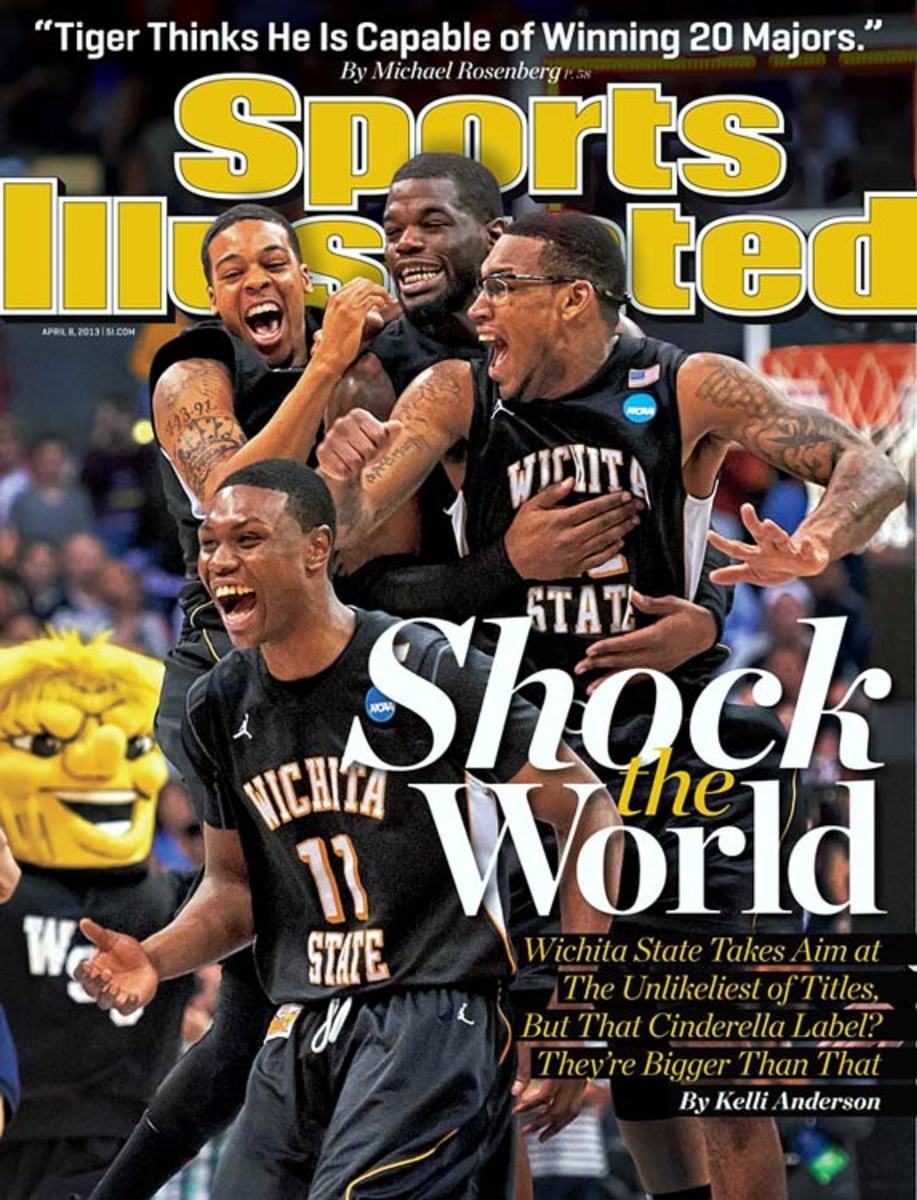
After winning their first three games by a combined 38 points, the Shockers entered the West Regional finals against No. 2 seed Ohio State as an underdog on paper only. Led by seniors Malcolm Armstead and Carl Hall, WSU played with swagger, emerging with a 70-66 victory and the school's first Final Four berth since 1965.
Villanova
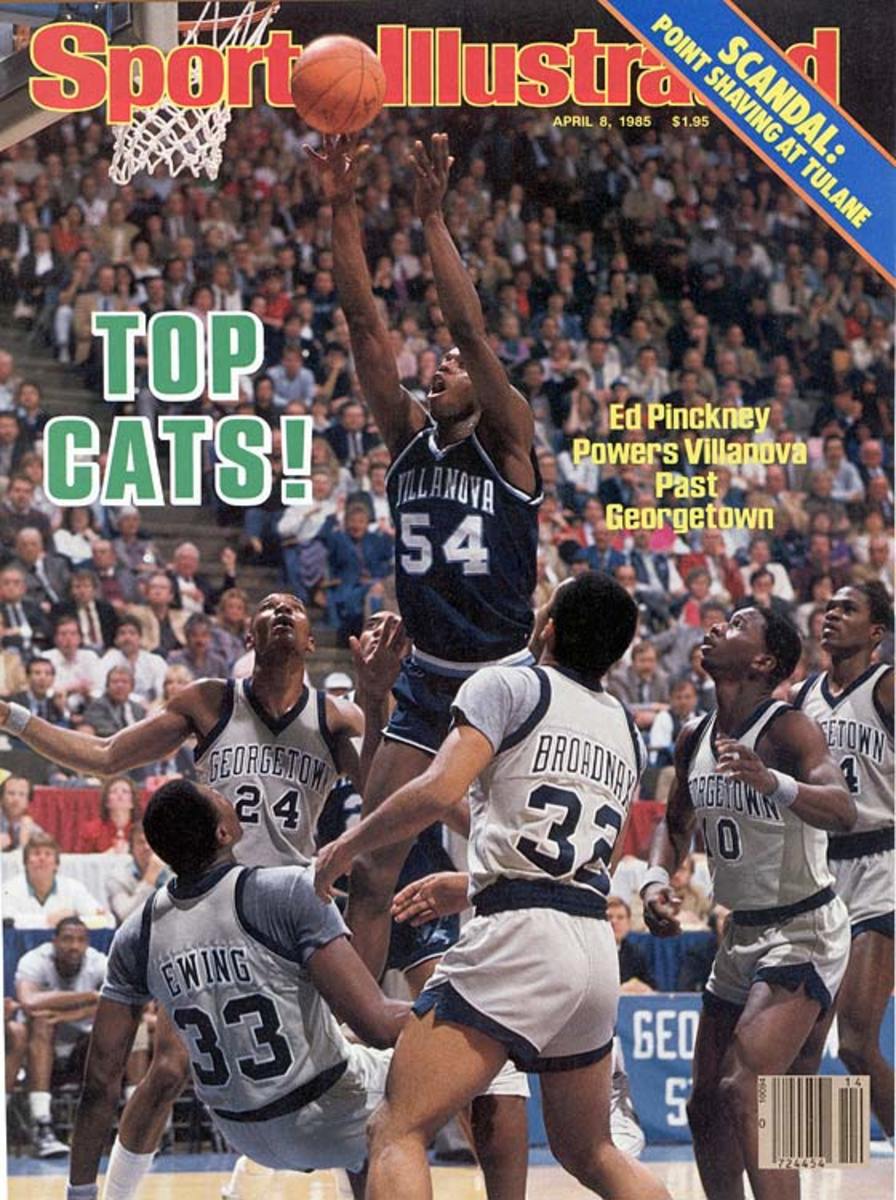
The 19-10 Wildcats just barely made the newly expanded field, and senior forward Ed Pinckney and Villanova were given virtually no chance against defending champion Georgetown. But thanks to lights-out shooting (78.6%, still a title-game record) and a matchup zone that confounded Hoyas center Patrick Ewing, the Wildcats became the lowest seed to win a title.
Virginia
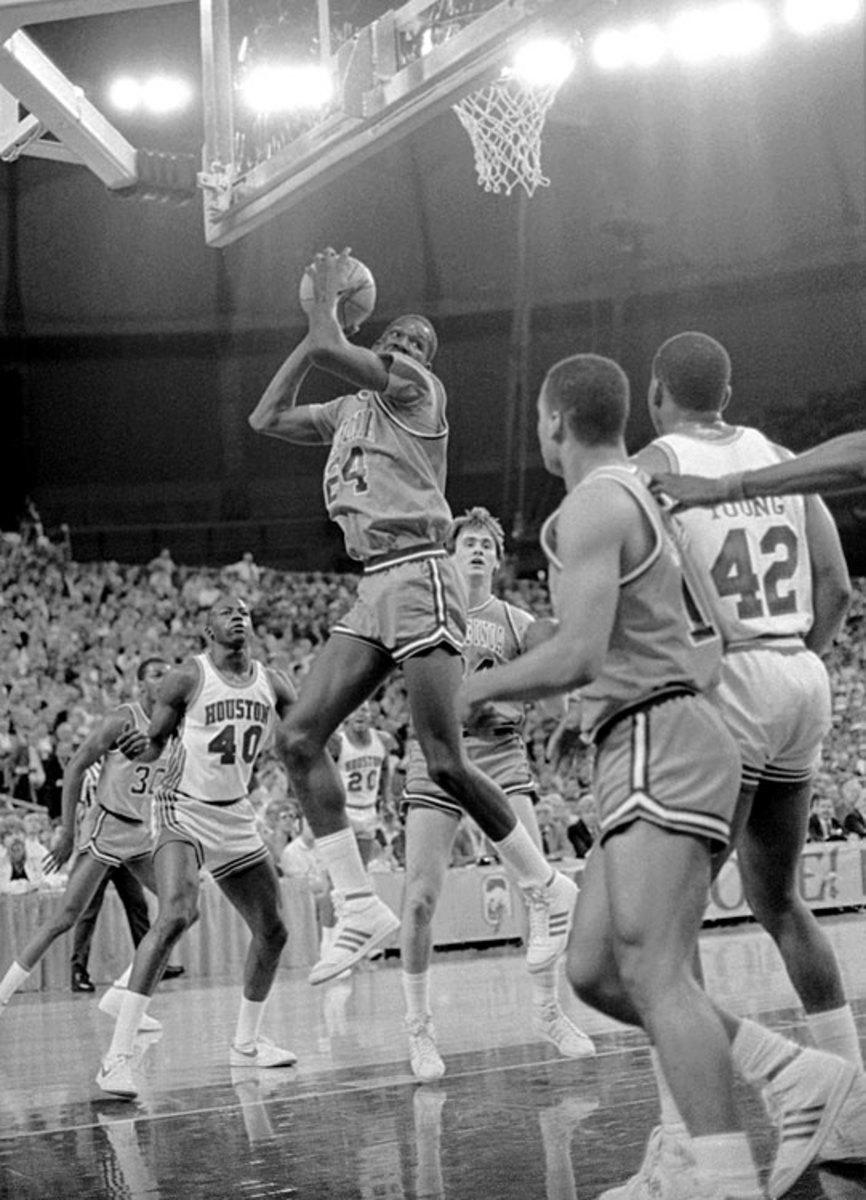
The Cavaliers clawed through the Eastern region, winning three of their four games by two points or less. Against No. 2 seed Arkansas, co-captain Rick Carlisle hit a 10-foot baseline jumper with four seconds remaining in OT to seal a 53-51 win. Olden Polynice (24) and Virginia took Hakeem Olajuwon and Houston to OT in the national semifinal before falling 49-47.
North Carolina State
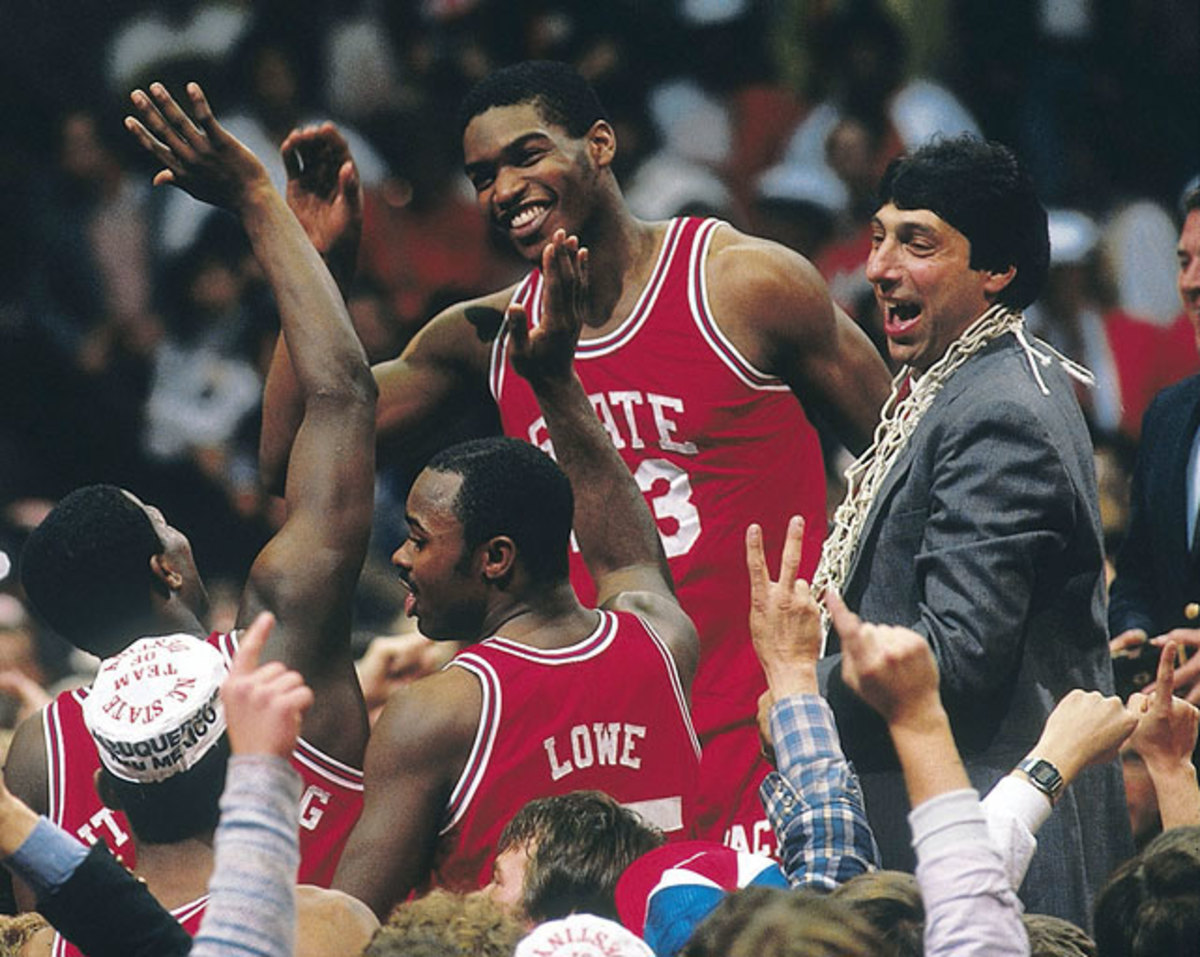
Lorenzo Charles began the season in coach Jim Valvano's doghouse for stealing two pizzas, but the sophomore forward finished on top of the world, after his buzzer-beating dunk defeated Houston 54-52. In upsetting the top-seeded Cougars, the Wolfpack became the first 10-loss team to win a title.
Butler
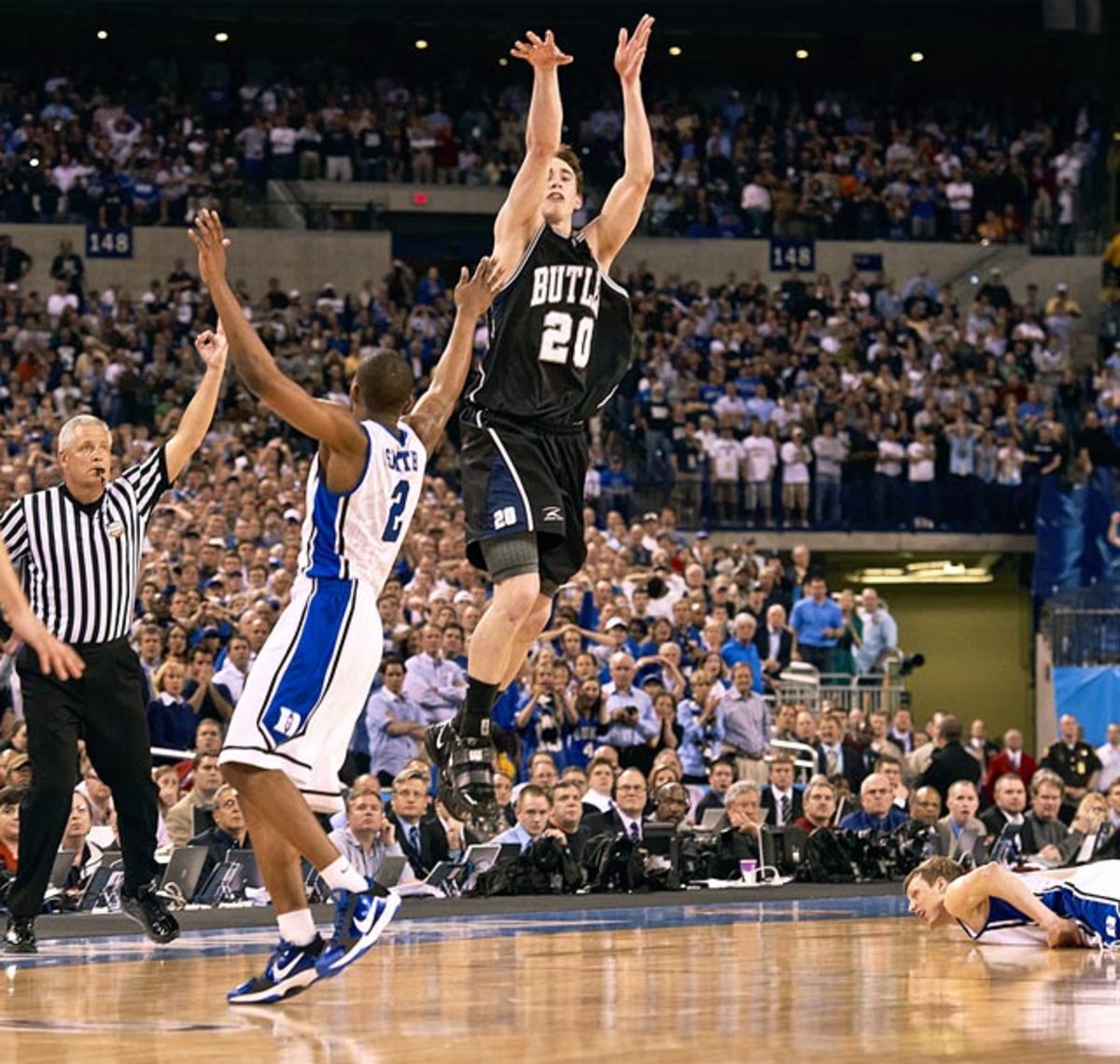
While the real-life Hoosiers narrative was just too easy, the comparison sold the Bulldogs short. The leading men behind one of the tournament's most memorable runs included a future NBA coach (Brad Stevens) and a lottery pick (6' 9" swingman Gordon Hayward) who more than belonged in the championship game -- even if Hayward's last-second half-court heave didn't drop for a true Hollywood ending.
Arizona
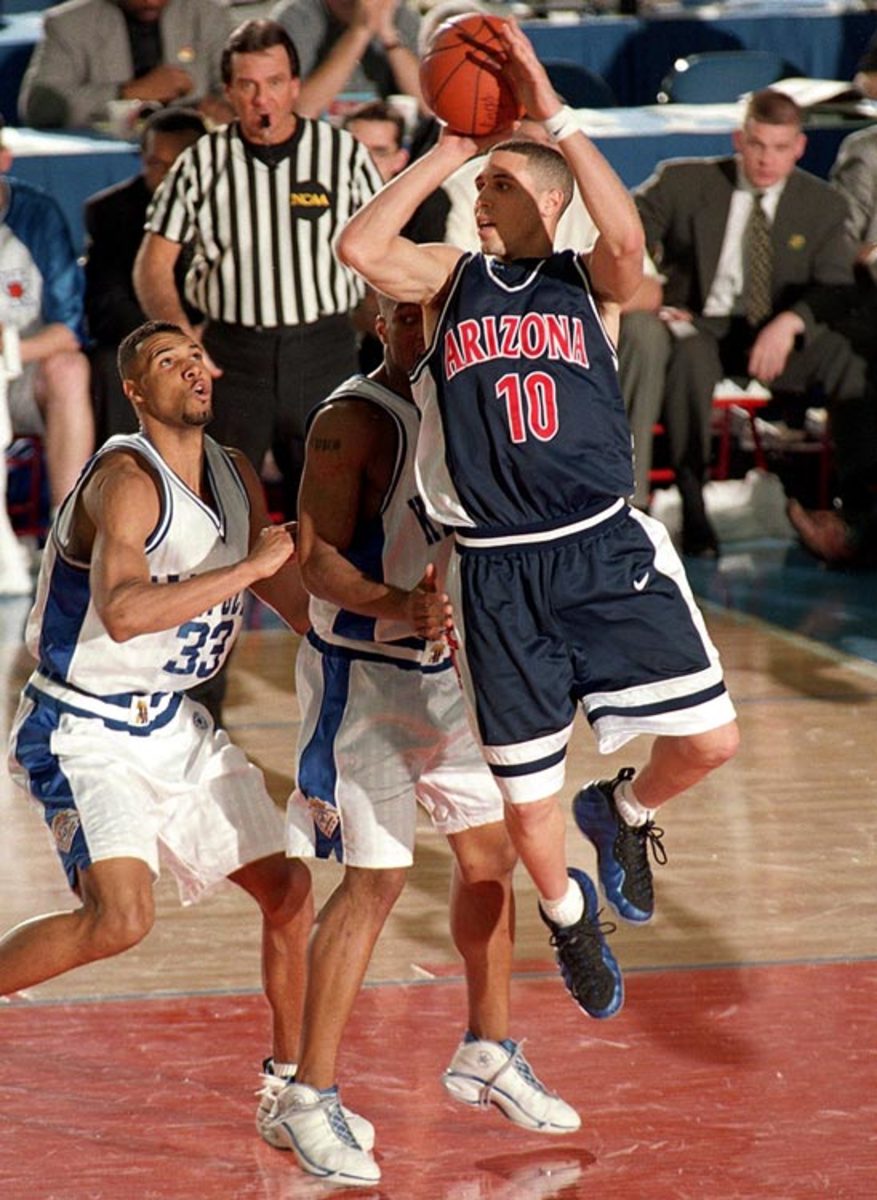
No fourth seed had ever won it all. Neither had any team from Arizona, or any squad coached by Lute Olson, whose Wildcats had a habit of first-round exits. But what did precedent matter to a team with four new starters, including freshman floor general Mike Bibby, who averaged 20.0 points, 6.0 rebounds and 4.3 assists in 'Zona's three wins over No. 1 seeds.
Florida
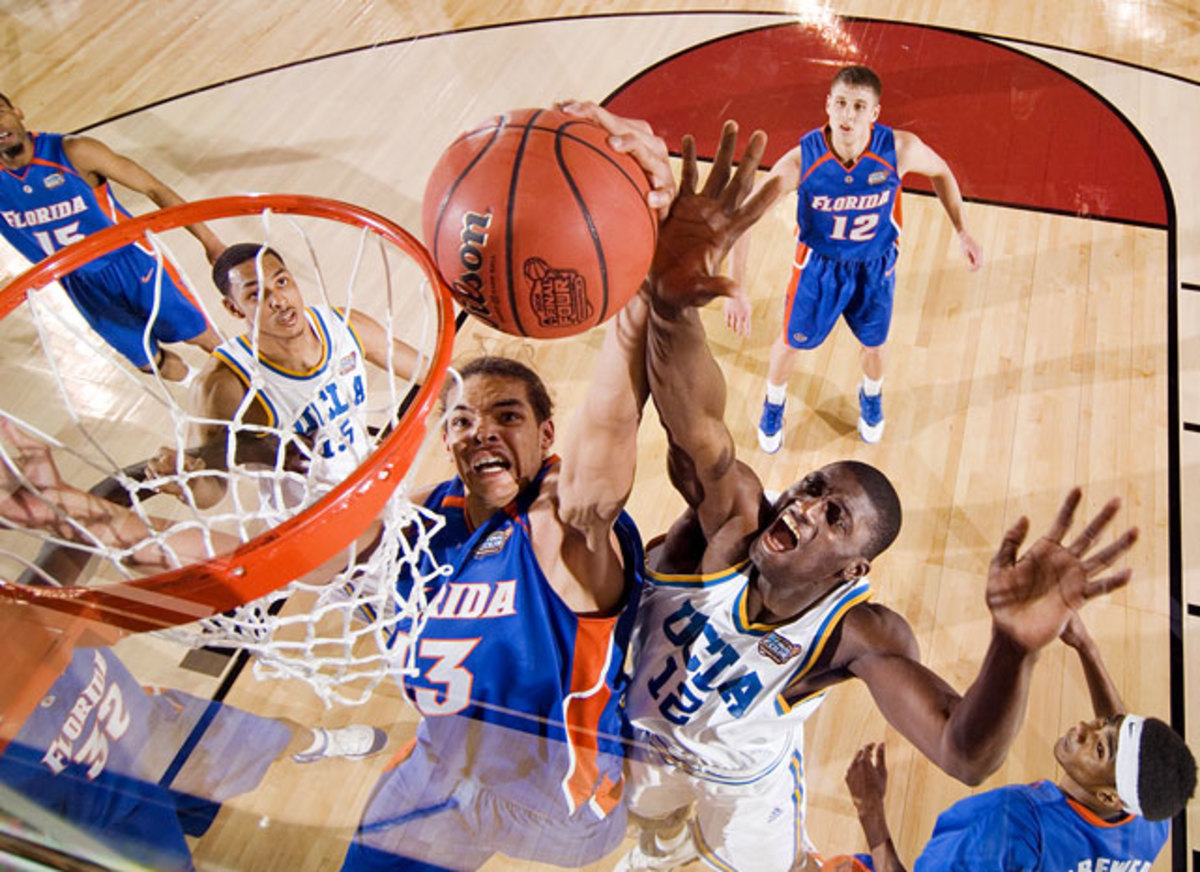
Sophomore starters Joakim Noah, Al Horford, Corey Brewer and Taurean Green and the Gators entered the season unranked. But by April, sparked by the charismatic Noah's tenacity (and his tournament-record six blocks in the the NCAA final against UCLA), the quartet of roommates had won the first of two NCAA titles.
Michigan State
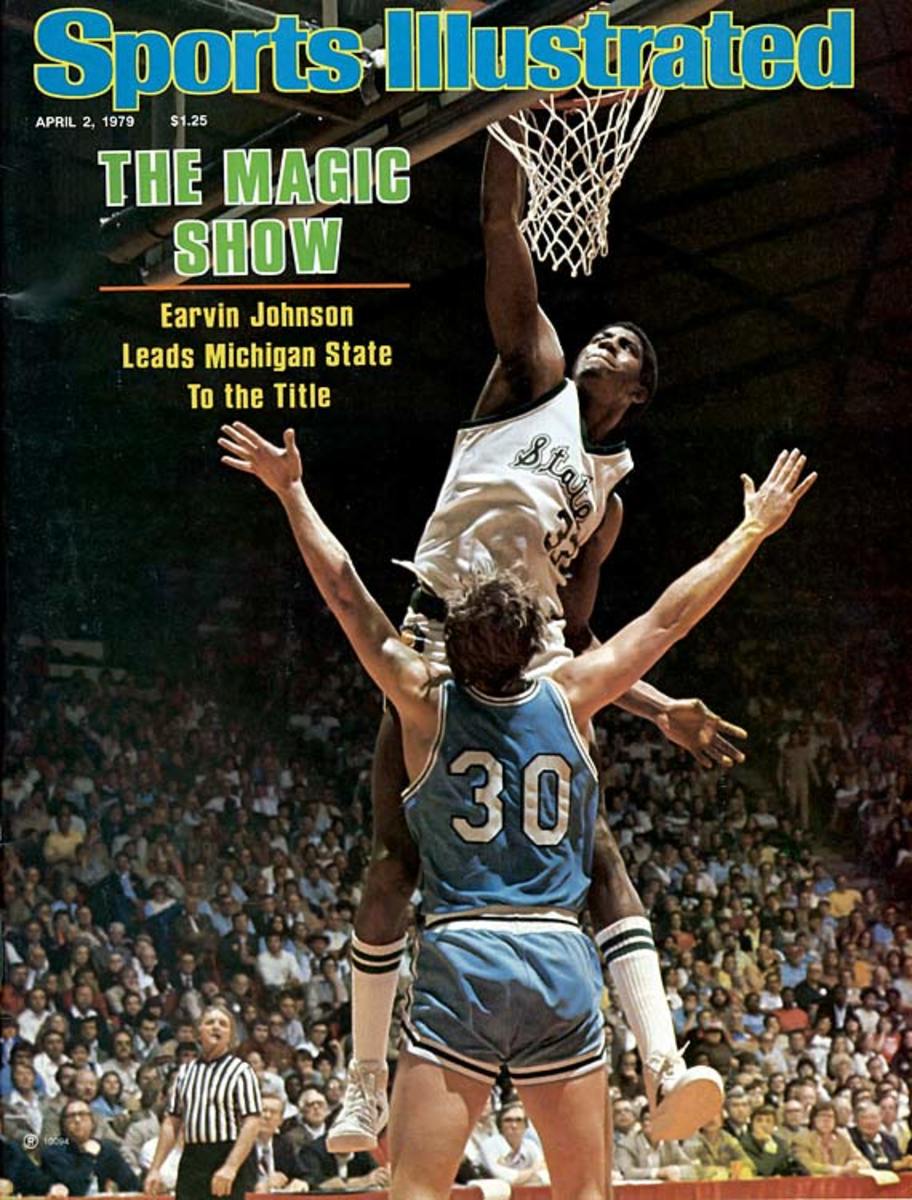
Sophomore point guard Magic Johnson made the Spartans fly, and his two triple doubles capped an otherworldly NCAA run that would earn Michigan State its first national title and Johnson a statue on campus. "Every member of the team is a hero," one Spartans fan gushed to SI that April, "but Magic is a legend."
Kentucky
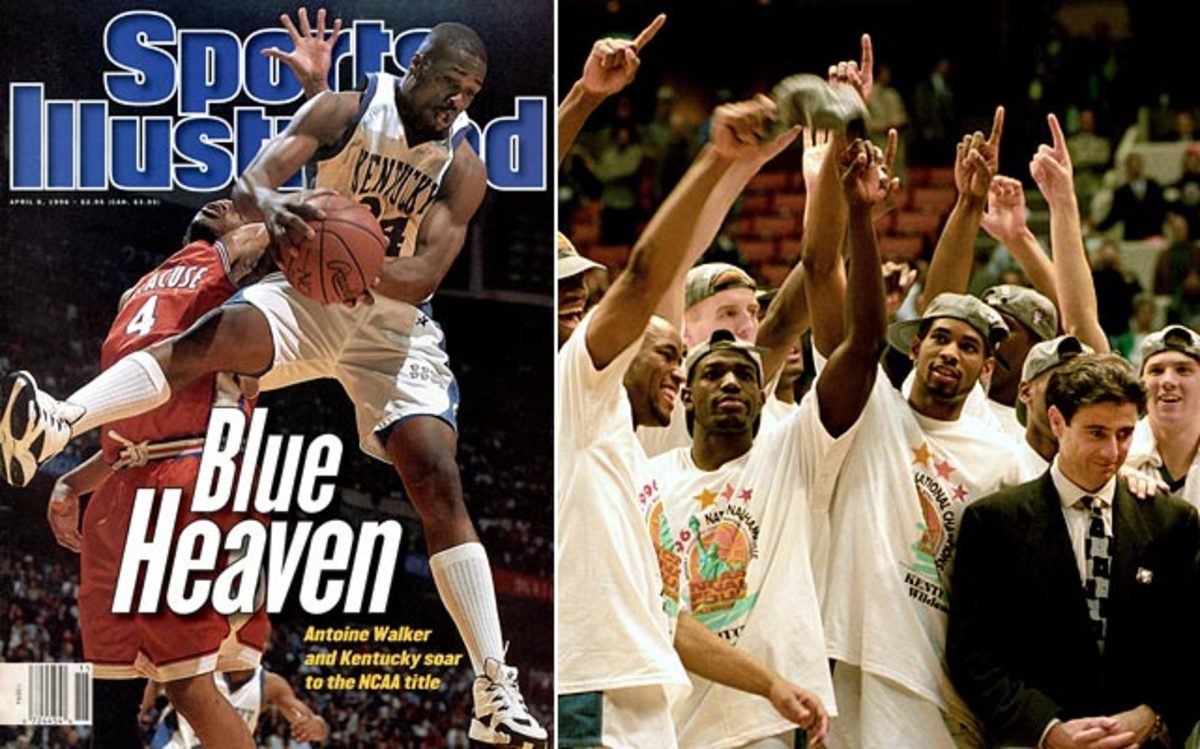
Its talent was so abundant (11 Wildcats would play in the NBA) that coach Rick Pitino dubbed his team the Professionals. Winning a title seemed preordained. After outscoring their first five tournament opponents by an average of 24.0 points, senior guard Tony Delk tied a championship-game record with seven threes against Syracuse, and sophomore forward Antoine Walker added 11 points and nine rebounds to help inspire the team's enduring moniker: the Untouchables.
 Add us as a preferred source on Google
Luke Winn joined Sports Illustrated in 2002 as a web producer and is now a senior writer. He primarily covers college basketball, but has written about baseball, the Olympics and more.