%20%20--%3E%0A%3Csvg%20version%3D%221.1%22%20id%3D%22Layer_1%22%20xmlns%3D%22http%3A%2F%2Fwww.w3.org%2F2000%2Fsvg%22%20xmlns%3Axlink%3D%22http%3A%2F%2Fwww.w3.org%2F1999%2Fxlink%22%20x%3D%220px%22%20y%3D%220px%22%0A%09%20width%3D%2239px%22%20height%3D%2240px%22%20viewBox%3D%220%200%2039%2040%22%20enable-background%3D%22new%200%200%2039%2040%22%20xml%3Aspace%3D%22preserve%22%3E%0A%3Cpath%20fill%3D%22%23FFFFFF%22%20d%3D%22M38.5%2C7H28.2v26h10.3V7z%22%2F%3E%0A%3Cpath%20fill-rule%3D%22evenodd%22%20clip-rule%3D%22evenodd%22%20fill%3D%22%23FFFFFF%22%20d%3D%22M26.1%2C25.5c0%2C5.8-4.1%2C7.5-12.9%2C7.5C3.9%2C33%2C0%2C31.2%2C0%2C25.2v-1.1h11.6%0A%09v2.4c0%2C0.7%2C0.1%2C1.4%2C1.2%2C1.4c1%2C0%2C1.2-0.4%2C1.2-1.3v-0.9c0-1.6-0.9-1.6-3.5-2.2C2.2%2C21.7%2C0%2C19.7%2C0%2C15.3v-0.9C0%2C9.3%2C5.5%2C7%2C12.9%2C7%0A%09c10.2%2C0%2C12.8%2C2.6%2C12.8%2C7.4v1.8h-11v-2.9c0-0.6-0.4-1.1-1.2-1.1c-0.6%2C0-1.2%2C0.4-1.2%2C1.1v0.9c0%2C1.5%2C0.9%2C2%2C3.3%2C2.5%0A%09c8%2C1.6%2C10.5%2C3.3%2C10.5%2C7.5V25.5z%22%2F%3E%0A%3C%2Fsvg%3E%0A)
NASCAR should re-evaluate its Drive For Diversity program
There's a very interesting piece this week on ESPN.com by former SI scribe Ed Hinton that's all about NASCAR's Drive For Diversity program. Normally, stories about D4D make my eyes glaze over just a bit. It's always been my (not so firmly-held) belief that diversity will come to NASCAR when it's good and ready, and that there's just no way to force drivers who aren't ready into its three national series.
I should have been paying better attention. As Mr. Hinton makes clear, the D4D program has other issues. Specifically, he makes the point that since the D4D program stops funding prospects once they graduate from racing's developmental levels -- that is, before they reach the ranks of Trucks, Nationwide or Cup -- drivers are left with nothing to assist them in making the move from the small time to the big time. And for drivers who receive funding in the minor leagues, problems abound. Here's what Hinton wrote:
"NASCAR won't say how much it spends on D4D. The last time NASCAR published a number, about three years ago, it was $4 million annually. Now, (D4D supervisor Marcus) Jadotte will say only that the number is 'significantly more.'
"So let's estimate a current outlay of $6 million annually. That's barely enough to fund one decent effort for one Nationwide driver for a season. Now subtract administrative and public relations costs, and divide by 12 [the number of drivers who comprise the current D4D class -- ed.]....D4D funding, such as it is, simply isn't enough to fund competitive rides, even in the developmental series. Teams have to seek additional sponsorship on their own."
In other words, the D4D program -- as it now exists -- doesn't seem to be able to do much to help a developing minority driver. And in a tough economy, with sponsorship dollars so scarce, the lack of funding in the program is only thrown into sharper relief.
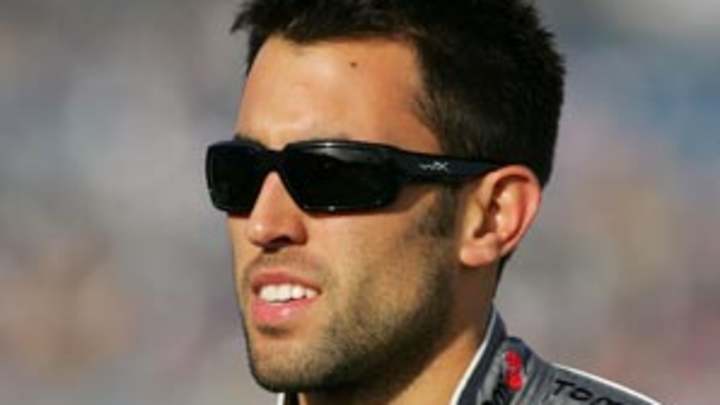
To be sure, the face of NASCAR -- most significantly in the front office and around the garage -- is much more diverse. D4D is involved with developing pit-crew members, as well. But in the drivers' seats, there have been very few significant advances. Aric Almirola, whose hold on a Cup ride is flimsy at best, is the lone D4D graduate in the Cup series. But his big boost came from the diversity program at Joe Gibbs Racing, not NASCAR.
Indeed it might behoove the program to focus its resources more, either by trimming the size of its program, or by encouraging team owners to participate in D4D by subsidizing minority sponsorships. Joey Logano didn't need a special program to break into the Cup series. He was a hot commodity who was identified and signed by a team (JGR). What a novel concept.
Hinton highlights several talented minority drivers in his piece, so there's potential out there. And it's wonderful that NASCAR is willing to help them. But how they are being helped needs to be watched as closely as whether they are ever being helped at all.
16 Months since current points leader Jeff Gordon last sat atop the Cup standings (Oct. 28, 2007)
20,000: Number of laps Gordon has led in his Cup career
21 Top-10 finishes for Gordon in 33 starts at Atlanta Motor Speedway, including four wins
This video has prompted some titters around the web this week. But I actually give the gentleman some credit for his performance as an armchair pundit -- he really doesn't do too bad a job, considering that his commentary isn't scripted and he doesn't have a producer in his ear feeding him facts and figures. His only problem (and it's a MAJOR one) is that the camera angle makes it look as if we are watching from the bottom of his cereal bowl. Sometimes, he even seems ready to fall in there with us.
But my first appearance on television was much worse, I promise you. Here's to a real racing fan.
 Add us as a preferred source on Google
Staff writer Mark Beech, who has written extensively on college football, horse racing and NASCAR, among other subjects, cites his 2007 profile of Olympic gold medal-winning freestyle wrestler Henry Cejudo as his most memorable SI assignment. "I was at a NASCAR race in Charlotte on a Sunday afternoon and got a call from an editor asking me if I could fly straight to Colorado Springs to start work on a story about Cejudo for the next week's issue," says Beech. "I knew nothing about him at all but spent the next six days learning everything I could mostly through interviews, since there was no real record of him in the press at the time. The story was much bigger and more deeply affecting than I could have ever imagined, and I thought it came off very well considering the amount of time I had to write and report." During his tenure at SI Beech has also written on the NHL, soccer and college basketball. He writes a weekly auto racing column (Racing Fan) for SI.com, and also provides coverage of major horse racing stakes for the website. He says college football is his favorite sport to cover "for all the tradition and regional passions." Beech has been with Sports Illustrated since 1997. Before joining SI he spent five years in the U.S. Army, reaching the rank of captain, and serving primarily with the 84th Engineer Battalion (Combat) (Heavy) at Schofield Barracks, Hawaii. Beech received a B.S. in civil engineering from the United States Military Academy in 1991 and an M.S. in journalism from the Columbia University Graduate School of Journalism in 1997. He and his wife, Allison Keane, have an infant son, Nathaniel, and reside in Westchester County, NY.