
Chuba Hubbard & 4 Other Fantasy Football Players Who Should Be Avoided as They Approach a Tough Week 4
In this story:
Entering Week 4, fantasy managers finally have a meaningful three-game sample size to evaluate. Evaluating who to sit or avoid shouldn't be about reacting to star players who simply suffered a single off-week. It is about identifying structural red flags like brutal positional matchups, alarming efficiency numbers, touchdown regression, and injured stars who are playing on compromised workloads.
Recommending that a player be avoided or sat in Week 4 does not mean dumping them on the waiver wire or benching them in every league. Fantasy football is a game of relative value. View these breakdowns as a guide to lower your expectations. If you have alternatives with cleaner matchups, higher ceilings, or healthier roles, Week 4 is the time to pivot.
Kirk Cousins: QB, Las Vegas Raiders
Week 4 Opponent: K.C. Chiefs Fantasy Points Allowed to QB: 11.2 (1st fewest in the NFL)

When the Matchup Changes Everything
Cousins has opened the 2026 campaign hot, posting back-to-back multi-touchdown performances. His blazing start could hit a wall in Week 4. The Kansas City Chiefs defense has surrendered the fewest fantasy points per game to opposing quarterbacks entering Week 4, keeping opposing passers under 200 yards in two of three contest.
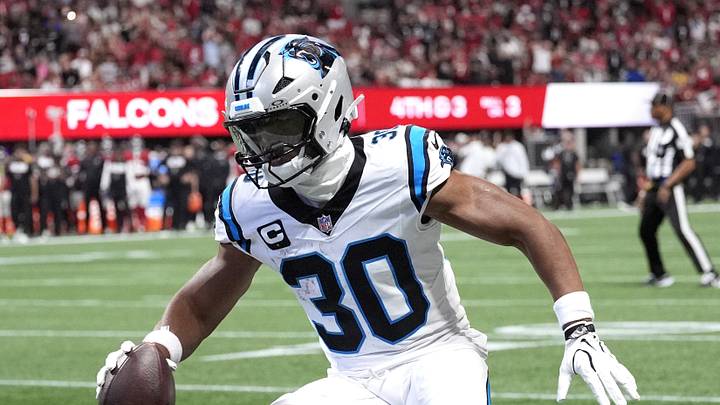
Chuba Hubbard: RB, Carolina Panthers
Yards per Touch:: 3.1 (Poor Efficiency) Fantasy Points per Opportunity: 0.52 (Bottom 10 Among Starting RBs)

Volume Isn't Always Enough
Hubbard continues to pull down nearly 70% of snap opportunities, but he is doing very little with the workload. Averaging just 3.1 yards per touch behind a struggling offensive line, Hubbard relies entirely on team volume to produce passable fantasy production. Facing a physical Detroit Lions front seven in Week 4 that prioritizes stopping early-down runs, Hubbard's efficiency is at risk of falling even further.
Courtland Sutton: WR, Denver Broncos
Targets Without a Touchdown: 16 targets across 3 games Red-Zone Targets: 1

The Touchdown Regression Candidates
Sutton's fantasy ranking entering Week 4 is propped up almost entirely by touchdown production. Scoring zero touchdowns on just 16 total targets through three games creates an unsustainable touchdown-to-target ratio. Sutton's underlying yardage and route participation do not support WR2 status. In Week 4, Denver faces the San Francisco 49ers, a defense that ranks near the top of the league in opposing red-zone conversion rate. Once Sutton experiences the regression in scoring efficiency, his low target total will leave fantasy managers with single-digit fantasy performances.
Breece Hall: RB, New York Jets
Injury Designation: Knee/Hamstring (limited in practice) Backup Involvement: Braelon Allen expected to take 40%-50% of snaps.

Injury Concerns That Could Change the Equation
Major fantasy starters playing through soft-tissue or joint issues rarely operate at 100% capacity. Hall enters Week 4 carrying a limited practice tag after tweaking his leg in Week 3. While he is fully expected to play against the Chicago Bears, the context around his workload changes dramatically. With backup Braelon Allen proving capable of handling early-down pounding, the Jets have every incentive to manage Hall's touches to prevent a major pull or tear. Starting an injured superstar on a restricted pitch count often leads to frustrating 8-to-10 fantasy point outings.
Travis Kelce: TE, Kansas City Chiefs
The Argument: Kelce's fantasy score in Week 3 (13.9 PPR points) masked an extremely concerning dip in volume. Outside of single coverage, Kelce was barely integrated in the pass game.

Alarming Target Volume Collapses
Kelce's route involvement has dropped as Kansas City manages his snaps during the early stretch of the schedule. He is running routes on just 62% of Patrick Mahomes dropbacks, down from his historical average of over 80%. Starting Kelce simply because of name value means ignoring three weeks of data. He should be viewed as a mid-tier option with a far lower floor than in years past.
Trust the Trends, Not the Name
While benching a star player like Kelce or pivoting away from volume-dependent options like Hubbard feels uncomfortable, chasing past production or draft capital is how matchups are lost. When target shares shrink, touchdown rates hit unsustainable spikes, or tough defensive matchups align, adjusting your lineup is the sharpest tactical move you can make.
 Add us as a preferred source on Google
Daniel Outerbridge covers the NBA, NFL, WNBA, and MLB with an emphasis on the numbers behind the game. His work breaks down player performance, team strategy, and emerging statistical trends to provide actionable insights for fans and fantasy players. Outerbridge has written for a myriad of other outlets including Anubis Sports and FanSided.