%20%20--%3E%0A%3Csvg%20version%3D%221.1%22%20id%3D%22Layer_1%22%20xmlns%3D%22http%3A%2F%2Fwww.w3.org%2F2000%2Fsvg%22%20xmlns%3Axlink%3D%22http%3A%2F%2Fwww.w3.org%2F1999%2Fxlink%22%20x%3D%220px%22%20y%3D%220px%22%0A%09%20width%3D%2239px%22%20height%3D%2240px%22%20viewBox%3D%220%200%2039%2040%22%20enable-background%3D%22new%200%200%2039%2040%22%20xml%3Aspace%3D%22preserve%22%3E%0A%3Cpath%20fill%3D%22%23FFFFFF%22%20d%3D%22M38.5%2C7H28.2v26h10.3V7z%22%2F%3E%0A%3Cpath%20fill-rule%3D%22evenodd%22%20clip-rule%3D%22evenodd%22%20fill%3D%22%23FFFFFF%22%20d%3D%22M26.1%2C25.5c0%2C5.8-4.1%2C7.5-12.9%2C7.5C3.9%2C33%2C0%2C31.2%2C0%2C25.2v-1.1h11.6%0A%09v2.4c0%2C0.7%2C0.1%2C1.4%2C1.2%2C1.4c1%2C0%2C1.2-0.4%2C1.2-1.3v-0.9c0-1.6-0.9-1.6-3.5-2.2C2.2%2C21.7%2C0%2C19.7%2C0%2C15.3v-0.9C0%2C9.3%2C5.5%2C7%2C12.9%2C7%0A%09c10.2%2C0%2C12.8%2C2.6%2C12.8%2C7.4v1.8h-11v-2.9c0-0.6-0.4-1.1-1.2-1.1c-0.6%2C0-1.2%2C0.4-1.2%2C1.1v0.9c0%2C1.5%2C0.9%2C2%2C3.3%2C2.5%0A%09c8%2C1.6%2C10.5%2C3.3%2C10.5%2C7.5V25.5z%22%2F%3E%0A%3C%2Fsvg%3E%0A)
Barcelona, Real Madrid fortunes a result of differing philosophies

Get all of Jonathan Wilson's columns as soon as they’re published. Download the new Sports Illustrated app (iOS or Android) and personalize your experience by following your favorite teams and SI writers.
Real Madrid is the richest club in the world. It has in its forward line the two most expensive players in history. And yet it has won just one league title in the past seven years, just three in the past 12. As it heads into Saturday’s Clasico, it trails Barcelona by 10 points. This is its last chance as far as this season’s league title goes and even if it wins it would take an almighty collapse for Barcelona not to complete a sixth title in eight years.
There is pride at stake, of course, and victory at the Camp Nou might in some way ameliorate the pain of Barça’s obvious domination, but there is a strange sense in which this derby has been reduced to a test of Zinedine Zidane’s managerial abilities and, perhaps, an indication of whether Madrid might be able to unsettle Barcelona should they meet at some point in the Champions League.
Money isn’t–yet–everything in football and the fact that Madrid in 2014-15 had revenues of €577 million ($653 million) to Barcelona’s €560 million doesn’t necessarily mean it should win. Florentino Perez has brought La Decima, the long sought after 10th European Cup, to the Bernabeu. But at the same time, given Madrid’s resources, his reign as president has been a profound failure. The lessons of the first Galacticos era have not been learned.
Iniesta stars as Barcelona’s tactics shut out Real Madrid in Messi’s return
The Clasico at the Bernabeu in November, won 4-0 by Barcelona despite Lionel Messi coming on only in the 57th minute, felt like an indictment of Madrid’s transfer policy by its own manager. Self-defeating, passive-aggressive gestures are not unknown to Rafa Benitez, and it was as though, sick of criticism that he was too defensive, he decided to give Perez and the press the logical conclusion of their gripes.
He selected Karim Benzema at center forward in a 4-2-3-1, with James Rodriguez, Gareth Bale and Cristiano Ronaldo strung out behind him and Toni Kroos and Luka Modric at the back of midfield. With two attacking fullbacks in Danilo and Marcelo, it was a team that might have overwhelmed a Rayo Vallecano or an Espanyol; against Barcelona it was a disaster.
GALLERY: Classic moments from El Clasico
Classic Clasico Moments: Barcelona vs. Real Madrid
October 25, 1953
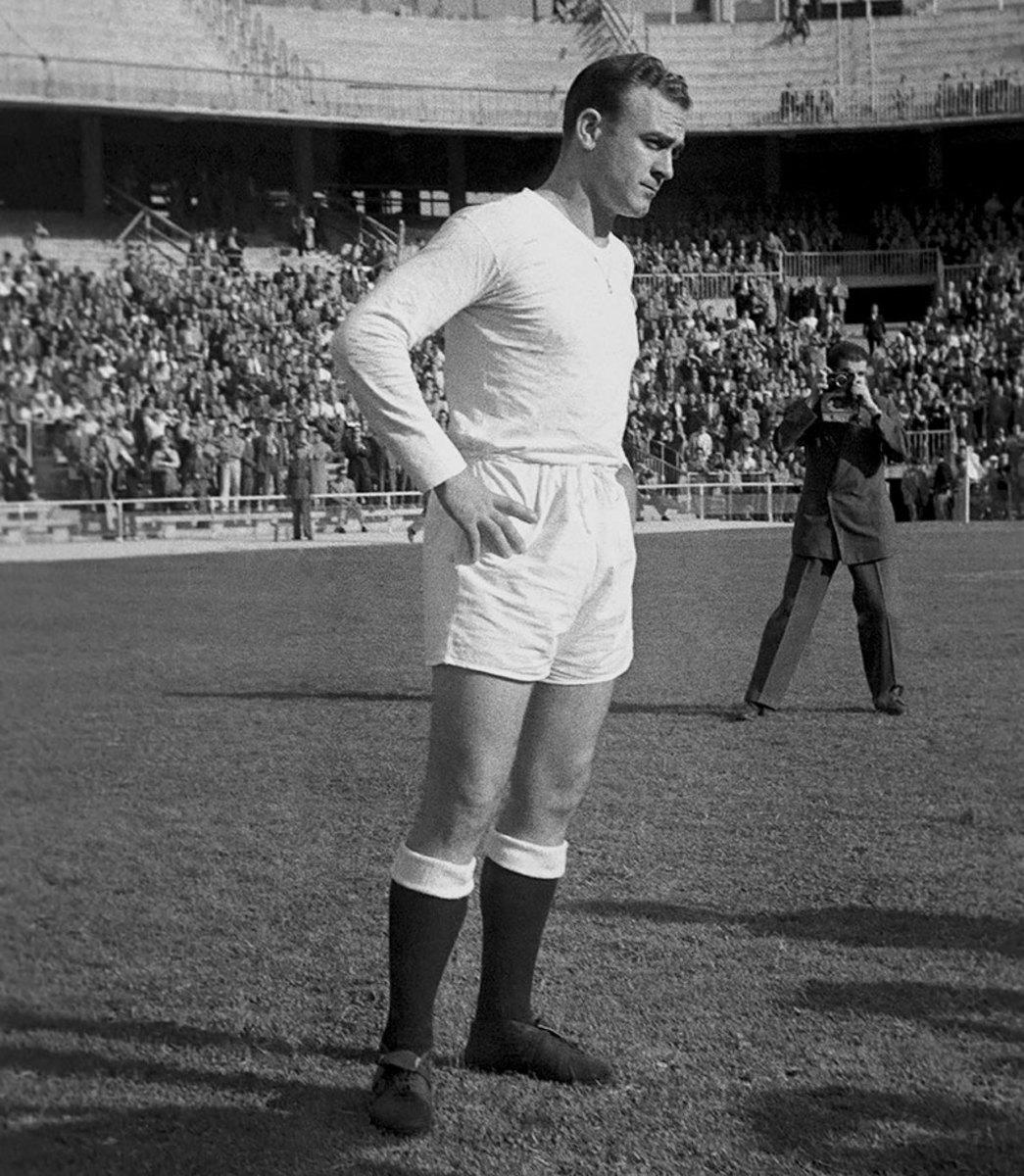
Alfredo Di Stefano scores four times in a 5-0 Real Madrid win over Barcelona.
April 21 and 27, 1960
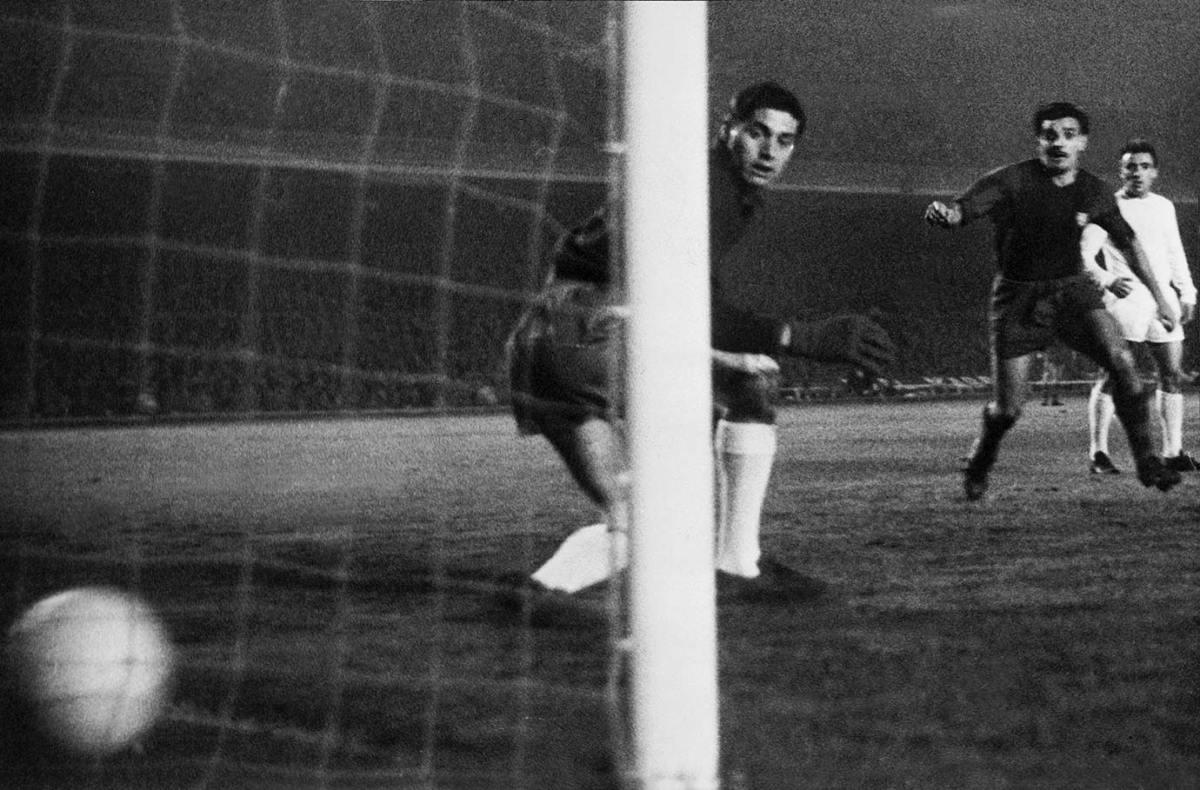
Real Madrid beats Barcelona 3-1 in both legs to advance to the European Cup final, which it would win for the fifth straight time.
February 17, 1974
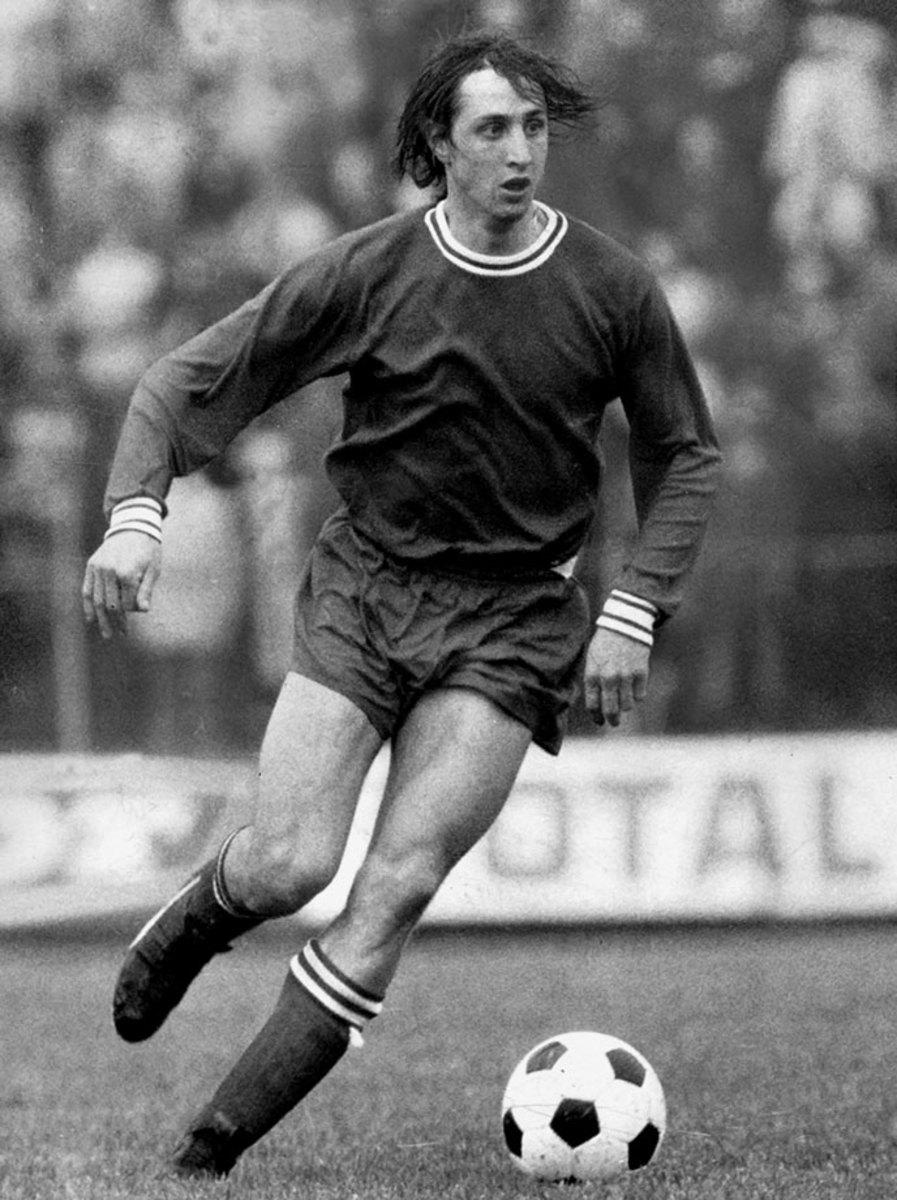
Johan Cruyff stars as Barcelona routs Real Madrid 5-0 in Madrid.
January 8, 1994
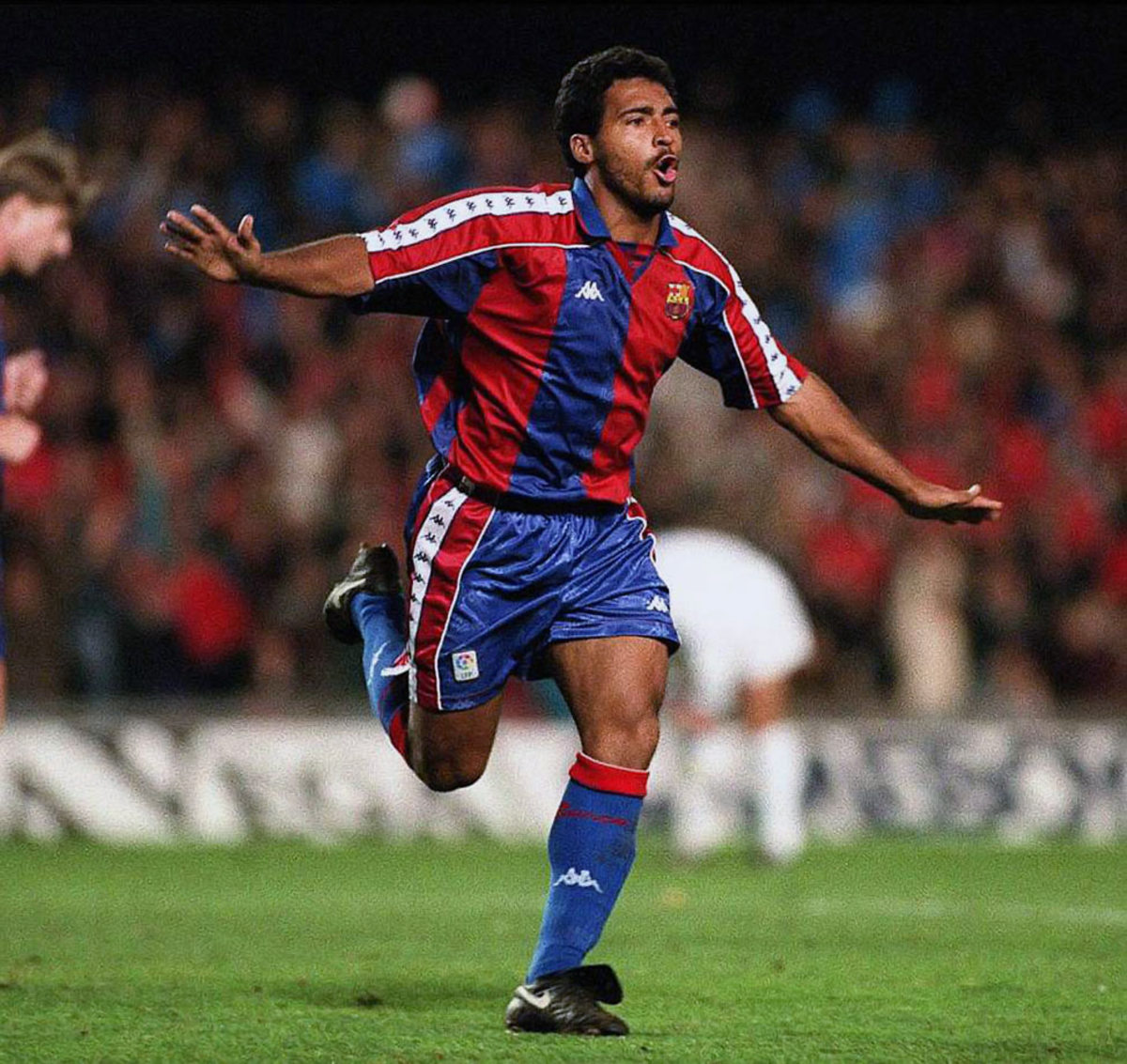
Barcelona beats Real Madrid 5-0.
January 7, 1995
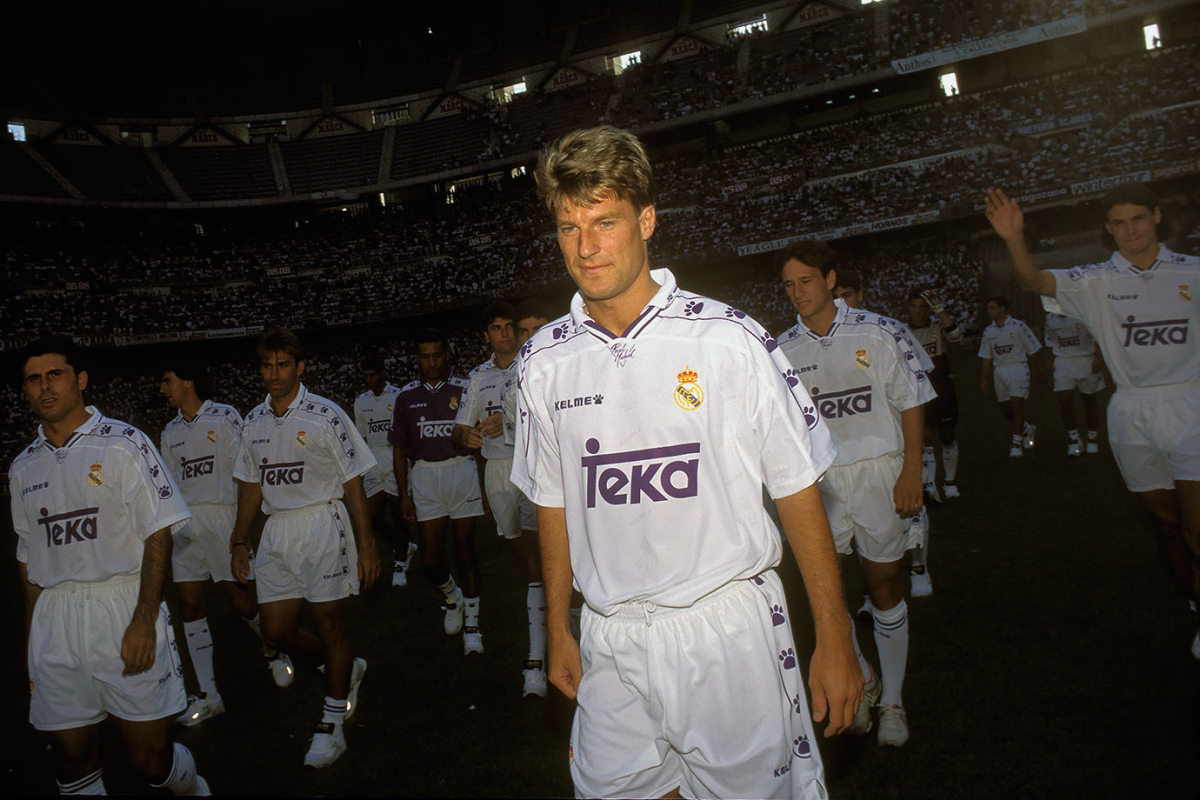
Real Madrid beats Barcelona 5-0 a day short of a year from when Barcelona beat Real Madrid by the same score. Michael Laudrup was on the winning team both times.
April 23, 2002
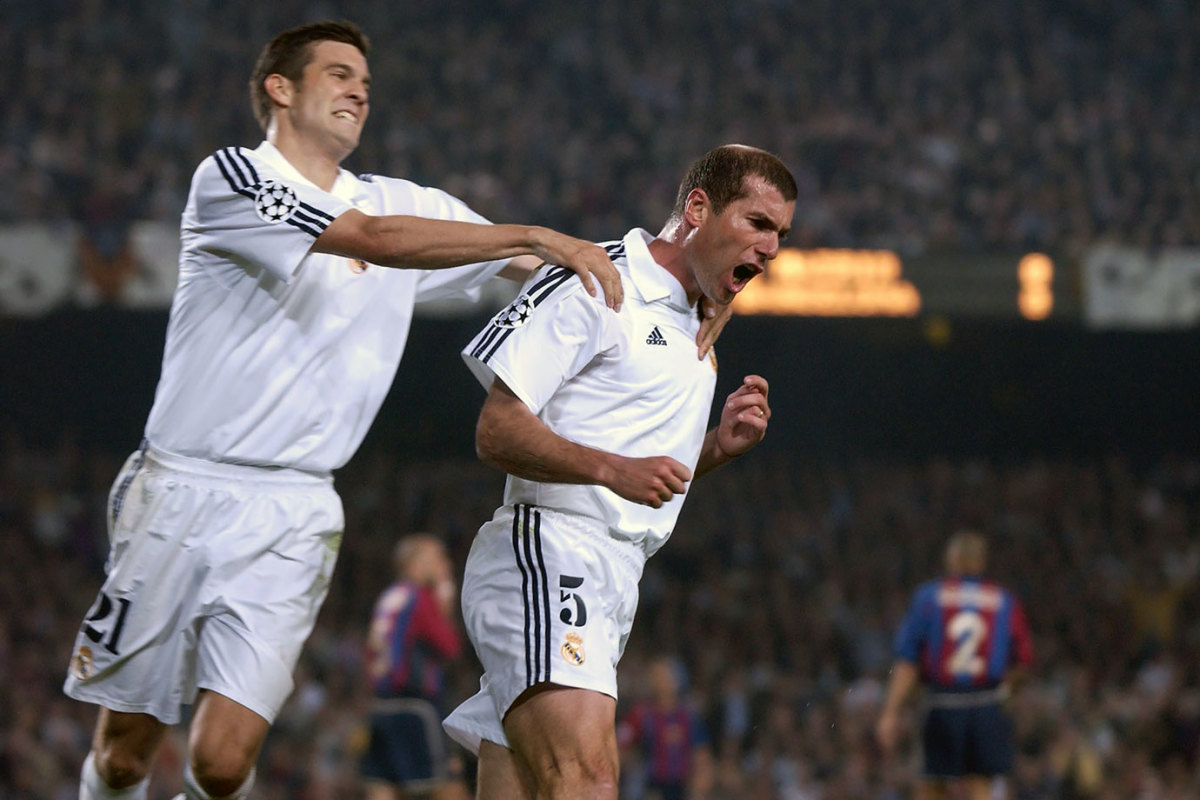
Real Madrid wins the first leg of their Champions League semifinal 2-0. Zinedine Zidane and Steve McManaman score in Barcelona en route to Madrid's 3-1 aggregate win. Madrid went on to win the Champions League.
November 24, 2002
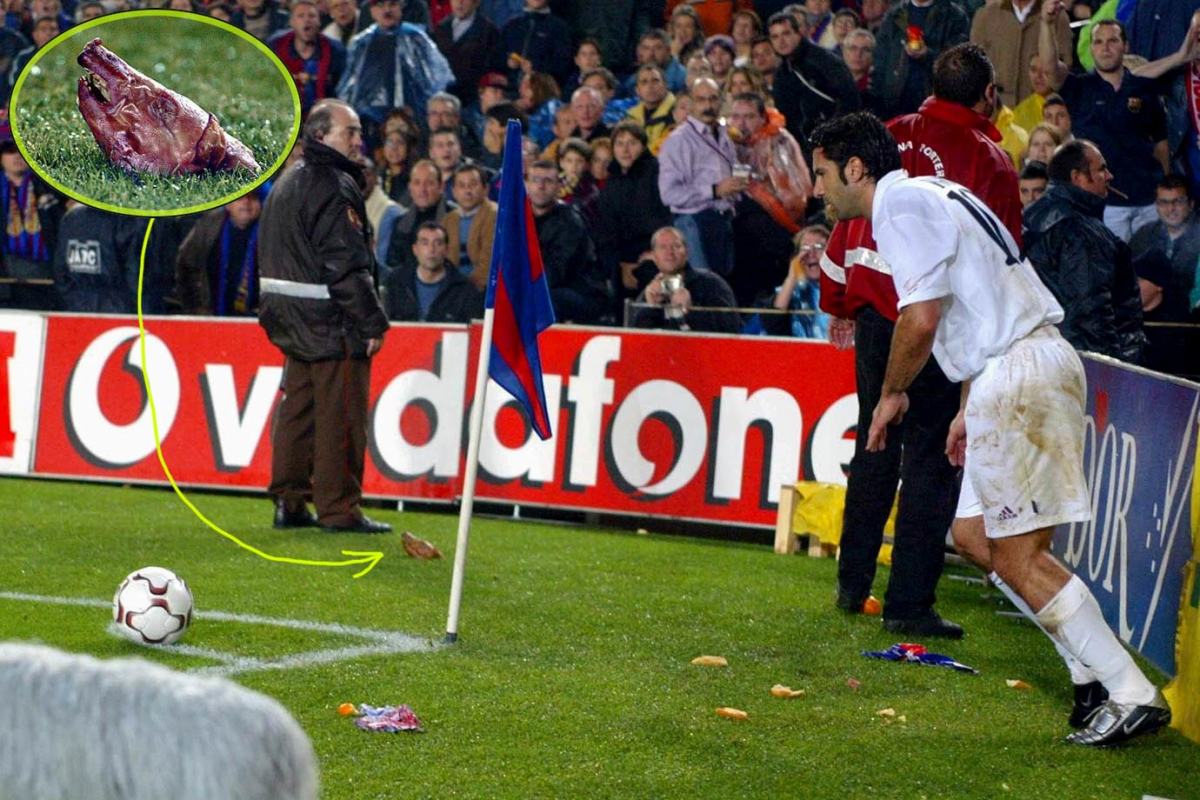
Barcelona fans throw a legit pig's head onto the field aimed at Real Madrid's Luis Figo in a 0-0 draw. Figo had left Barcelona for Real Madrid in 2000, sparking the animosity.
November 19, 2005
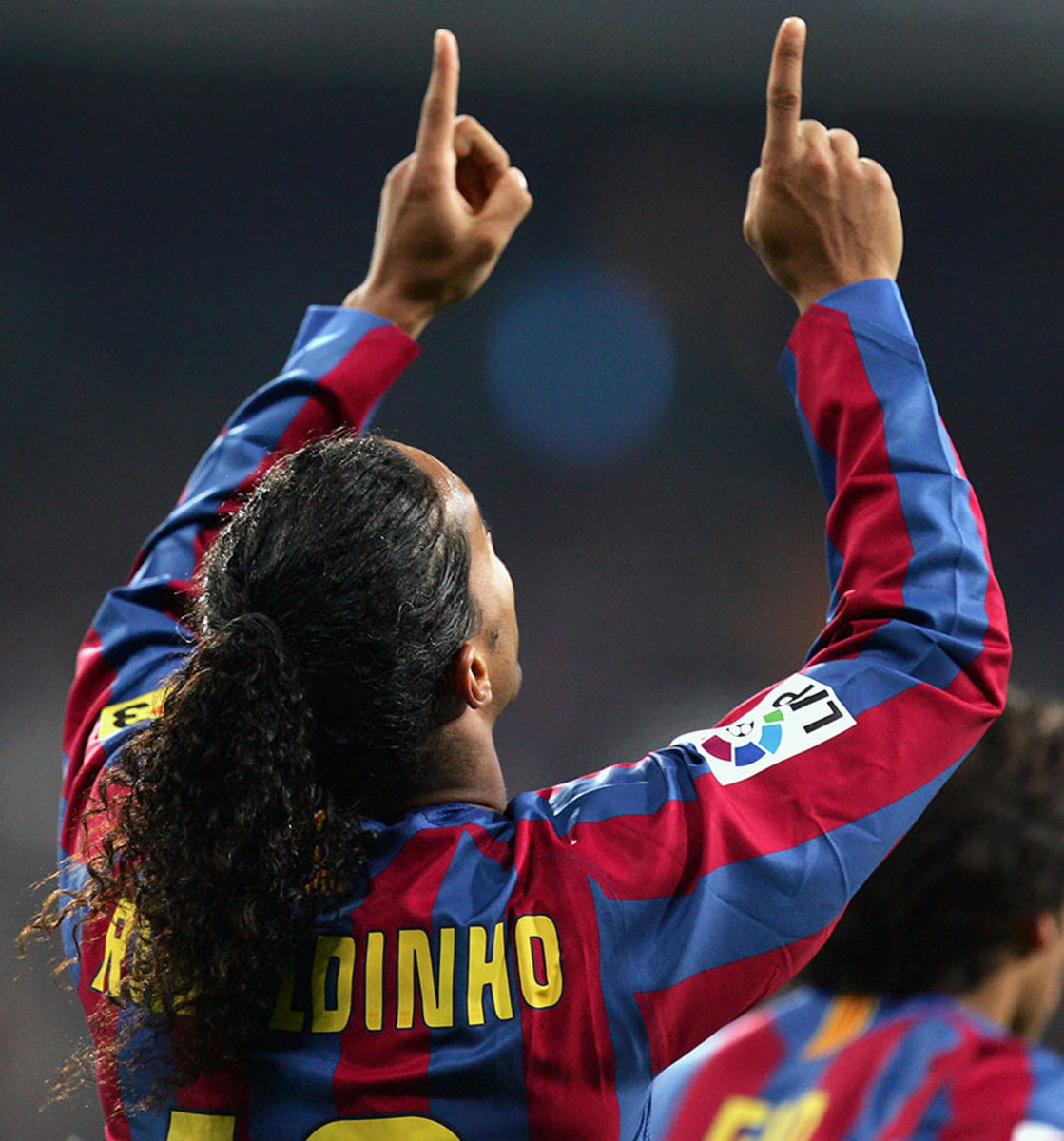
Barcelona's Ronaldinho gets a standing ovation in Madrid during a 3-0 win for Barcelona.
March 10, 2007
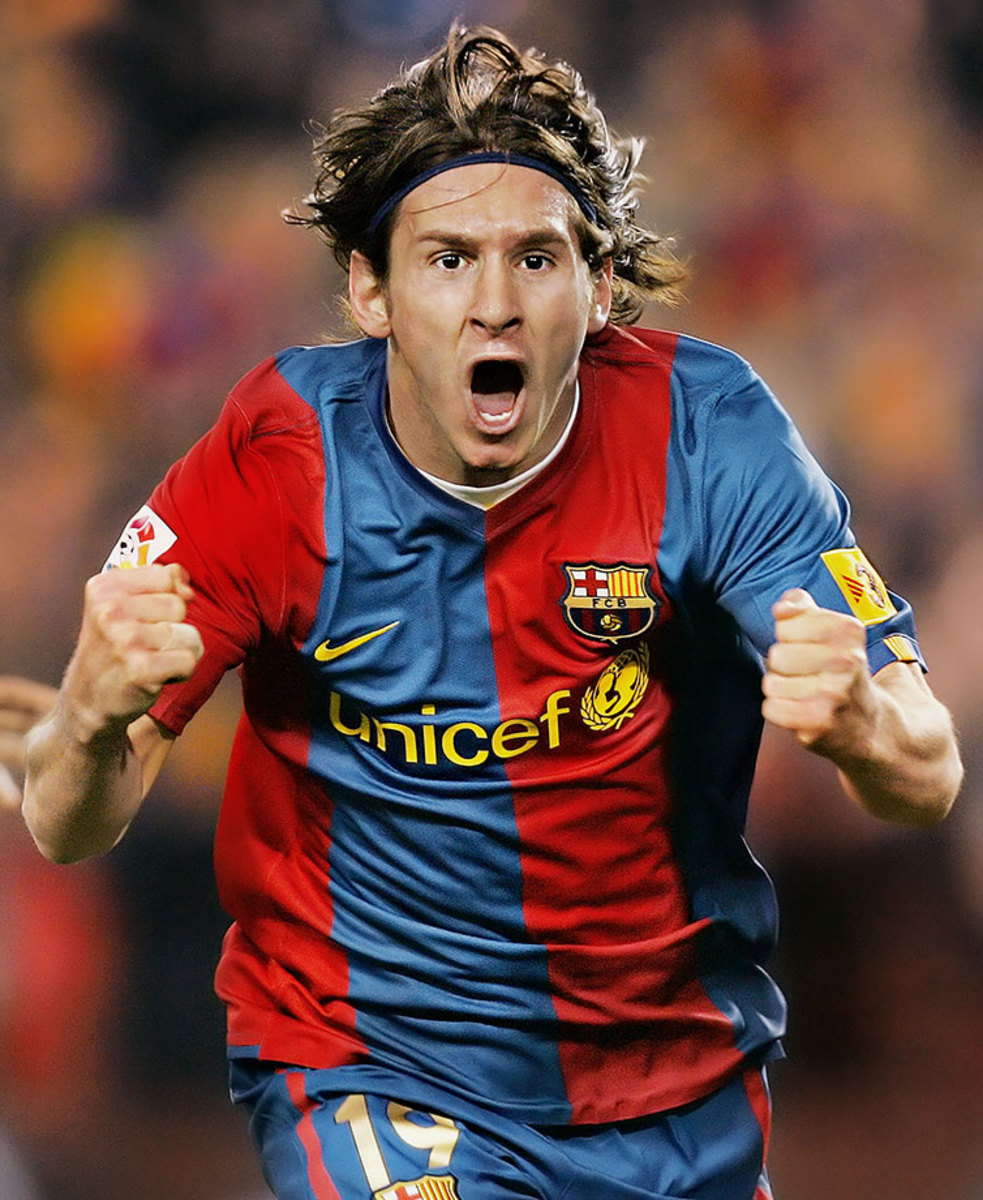
Lionel Messi scores a hat trick and Barcelona and Real Madrid play to a riveting 3-3 draw.
November 29, 2010
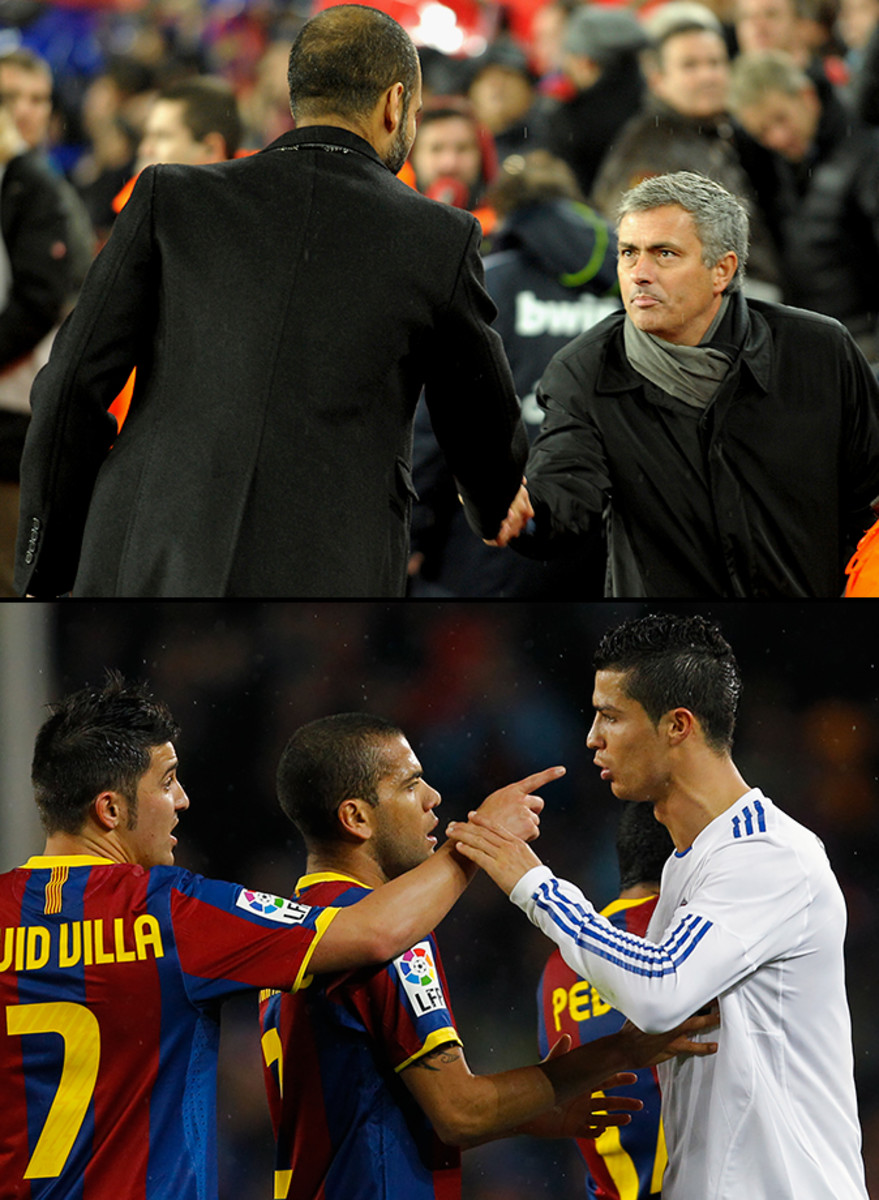
Pep Guardiola's Barcelona routs Jose Mourinho's Real Madrid 5-0 on Barcelona's 111th anniversary as a club. David Villa scored twice.
April 27, 2011
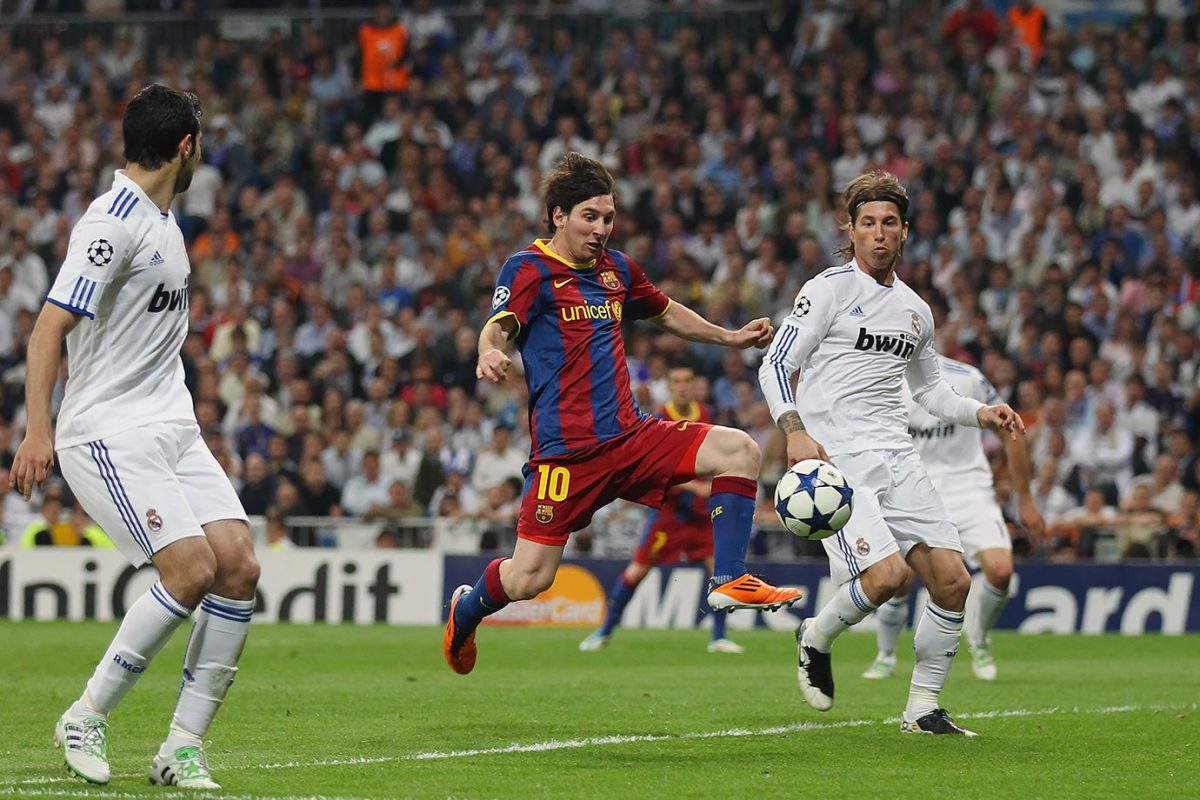
First leg of the Champions League semifinals. Lionel Messi scores twice en route to Barcelona advancing to the final it would eventually win. The second leg a week later capped a run of four Clasico's in 18 days.
August 17, 2011
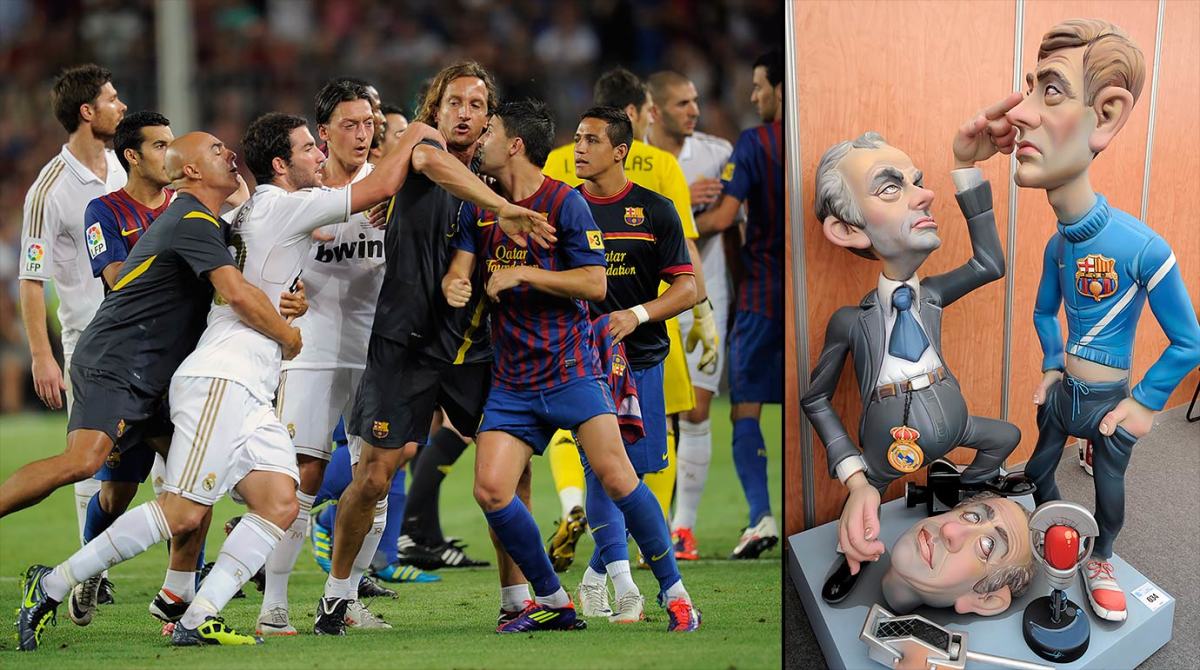
Barcelona beats Real Madrid 3-2 in the Spanish Super Cup, but the match is remembered for the fracas at the end, which featured Real Madrid manager Jose Mourinho gouging Barcelona assistant Tito Vilanova in the eye.
April 16, 2014
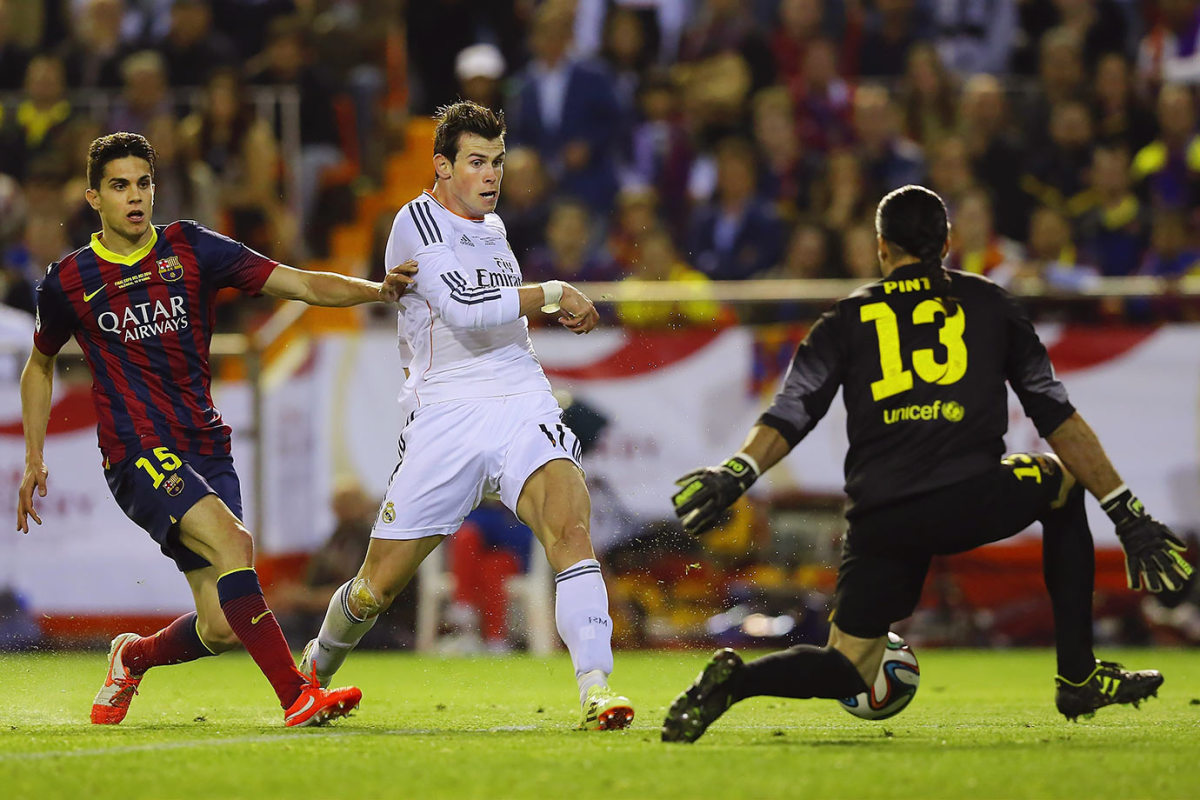
Gareth Bale emerges as the hero, scoring the winning goal in the Copa del Rey final in highlight-reel fashion.
November 21, 2015
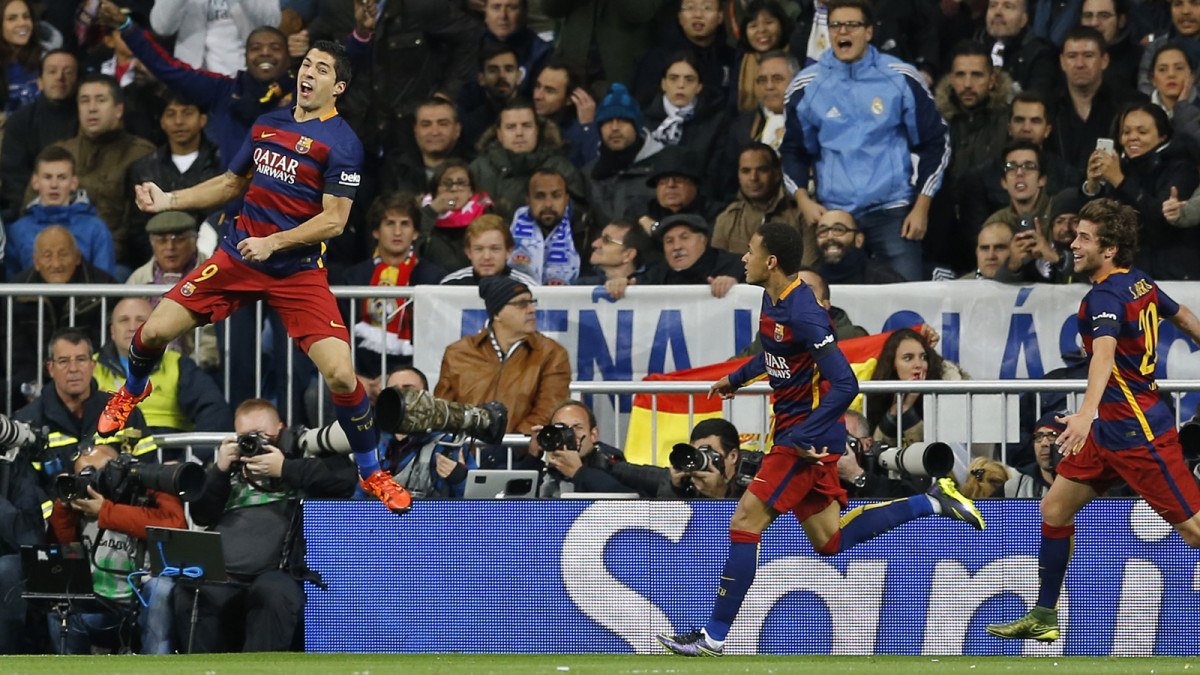
Barcelona's Luis Suarez leaps for joy after scoring in a 4-0 rout at Real Madrid.
The three creative midfielders ended up drifting infield, denying Madrid attacking width and leaving the flanks free for Dani Alves and Jordi Alba to exploit. Modric and Kroos battled manfully, but they were bailing out the Titanic with a tea cup, and neither is naturally a defensive midfielder.
Which is where the folly of Madrid’s transfer policy is exposed. The decision to offload Sami Khedira last summer does not rank alongside the sale of Claude Makelele in 2003 in the catalogue of errors, but it stems from a similar logic. Zidane, the player, famously described the policy then as putting an extra layer of gold on the Bentley while getting rid of the engine; Khedira was injury-prone and it perhaps made sense to replace him, but not with Mateo Kovacic, a youthful playmaker, and certainly not when Asier Illaramendi, another deep-lying midfielder, was also being offloaded. Madrid again was left without an engine. Casemiro will, surely, be used in front of the back four on Saturday, but, at 24, there is still a sense of him learning his trade.
Offer Perez one player from the Barcelona lineup and he’d probably take Lionel Messi–or perhaps Luis Suarez or Neymar. The player he needs is Sergio Busquets. The midfielder’s overreaction to the mildest of touches from Thiago Motta in the 2010 Champions League semifinal seems to overshadow all conversation about him, at least outside of Spain, but shameful as that was, he is a magnificent player, a profoundly intelligent reader of the game whose willingness to do the less glamorous work allows Barcelona’s brilliant forward-line to function.
As likely as Elvis being alive: Leicester City defies odds in EPL title pursuit
That forward line is a constant rebuke to Perez. This, it says, is what can happen when Galacticos are brought together. These are the possibilities when superstars are bought judiciously, when you gather a trident of greats whose talents are compatible and mutually amplificatory, who get on with each other to the extent that they feel it their mission to ensure all three score in every game. The contrast to some of the egos at the Bernabeu is obvious.
But what allows them to function is the team. Barca got the theory right and then added Galacticos to it. It created a cohesive philosophy, not just of style on the pitch but of how to run the club. It’s not quite like Pep Guardiola’s first season, when seven of the 11 first-team regulars were La Masia graduates, but even in this side there are four regulars as well as numerous reserves. Make the plan first and then add the sparkle.
Madrid has gone for style over substance, has for more than a decade bought without any apparent logic. Money will get you so far in football, but Barcelona’s ongoing success shows how vital a plan and philosophy is to spending it well.
 Add us as a preferred source on Google
An accomplished author of multiple books, Jonathan Wilson is one of the world’s preeminent minds on soccer tactics and history.