%20%20--%3E%0A%3Csvg%20version%3D%221.1%22%20id%3D%22Layer_1%22%20xmlns%3D%22http%3A%2F%2Fwww.w3.org%2F2000%2Fsvg%22%20xmlns%3Axlink%3D%22http%3A%2F%2Fwww.w3.org%2F1999%2Fxlink%22%20x%3D%220px%22%20y%3D%220px%22%0A%09%20width%3D%2239px%22%20height%3D%2240px%22%20viewBox%3D%220%200%2039%2040%22%20enable-background%3D%22new%200%200%2039%2040%22%20xml%3Aspace%3D%22preserve%22%3E%0A%3Cpath%20fill%3D%22%23FFFFFF%22%20d%3D%22M38.5%2C7H28.2v26h10.3V7z%22%2F%3E%0A%3Cpath%20fill-rule%3D%22evenodd%22%20clip-rule%3D%22evenodd%22%20fill%3D%22%23FFFFFF%22%20d%3D%22M26.1%2C25.5c0%2C5.8-4.1%2C7.5-12.9%2C7.5C3.9%2C33%2C0%2C31.2%2C0%2C25.2v-1.1h11.6%0A%09v2.4c0%2C0.7%2C0.1%2C1.4%2C1.2%2C1.4c1%2C0%2C1.2-0.4%2C1.2-1.3v-0.9c0-1.6-0.9-1.6-3.5-2.2C2.2%2C21.7%2C0%2C19.7%2C0%2C15.3v-0.9C0%2C9.3%2C5.5%2C7%2C12.9%2C7%0A%09c10.2%2C0%2C12.8%2C2.6%2C12.8%2C7.4v1.8h-11v-2.9c0-0.6-0.4-1.1-1.2-1.1c-0.6%2C0-1.2%2C0.4-1.2%2C1.1v0.9c0%2C1.5%2C0.9%2C2%2C3.3%2C2.5%0A%09c8%2C1.6%2C10.5%2C3.3%2C10.5%2C7.5V25.5z%22%2F%3E%0A%3C%2Fsvg%3E%0A)
Skepticism of Bob Bradley at Swansea shouldn't revolve around his nationality
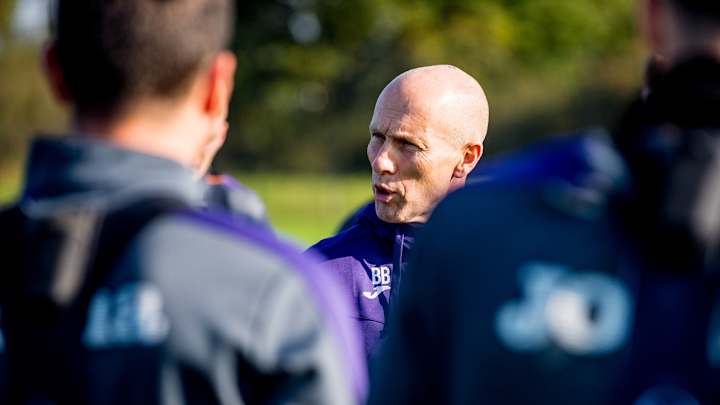
There are times when football can seem extremely parochial. The reaction to Bob Bradley’s appointment at Swansea City was an unexpected slew of articles about a supposed anti-Americanism in British football, something that seemed to have prompted entirely by a handful of comments on social media by disgruntled Swansea fans and the fact that Bradley is the first U.S. coach to take a position in the Premier League.
Bradley himself found it necessary to address the concerns in his introductory press-conference.
“There will be skeptics but I don't care,” he said. “I love football and I believe in my ability. I am going to step on the field with the same kind of energy and passion and commitment I had the rest of my career … Whatever happens, happens. After that, people can say or write whatever the flip they want. This parody stuff [on Americans in football] is bulls**t.”
Roundtable: Bob Bradley's career bests, expectations at Swansea City
This is a perfectly reasonable defense against a perceived attack on him based on his nationality. But the notion that the ripples of disquiet about Bradley’s appointment are rooted primarily in the fact he is from the U.S. misses the point profoundly. In fact, they have very little to do with him at all.
Such matters are extremely difficult to quantify and there is always a danger in assuming that what is posted on social media somehow represents the view of all Swansea fans when most of those who bother to comment, even if they’re not being deliberately provocative, are those who feel most strongly about the issue. The truth is almost certainly that the vast majority of Swansea fans are undecided either way.
There was some concern about Francseco Guidolin but there were no mass protests. There’s a sense that he was a little unfortunate in as much as he steadied a listing ship last season and, although he took just four points form seven games this season, three of his last four matches were against Chelsea, Manchester City and Liverpool, games in which Swansea performed creditably.
GALLERY: Classic photos of Americans abroad
Classic old photos of Americans Abroad
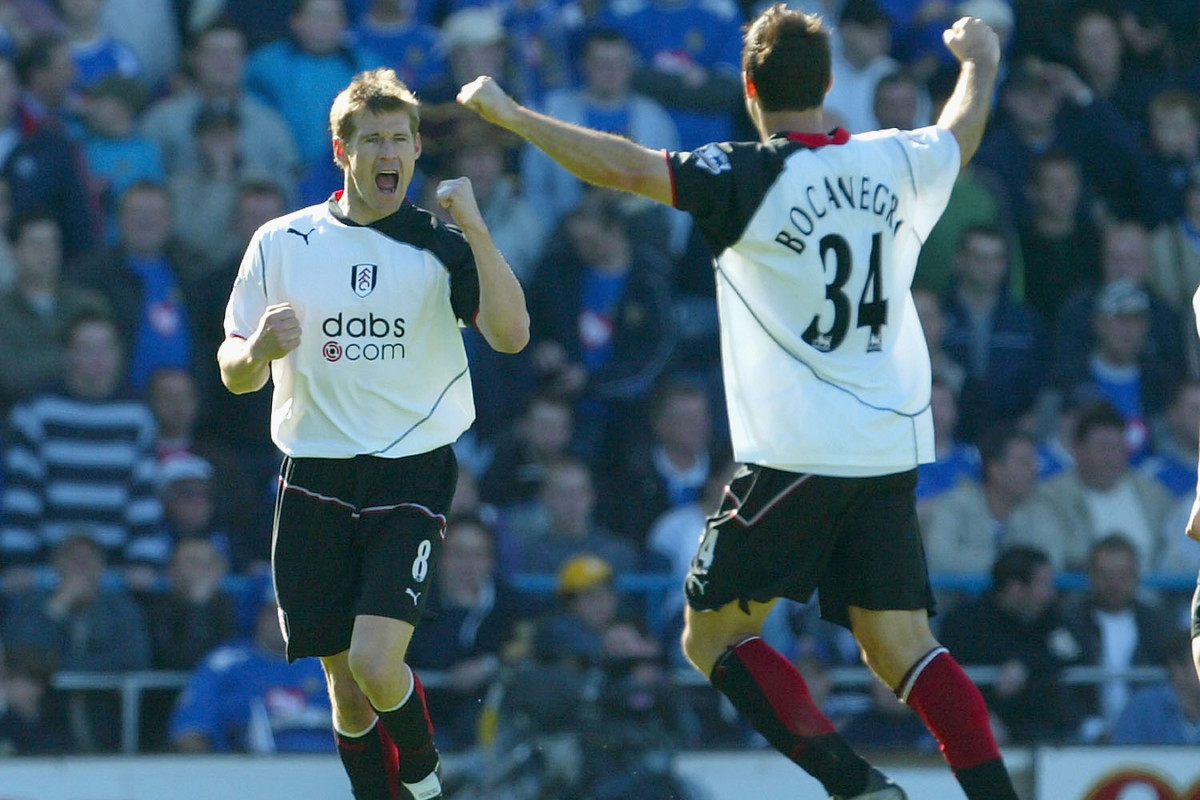
American tandem Brian McBride and Carlos Bocanegra celebrate the former's goal against Portsmouth in May 2004.
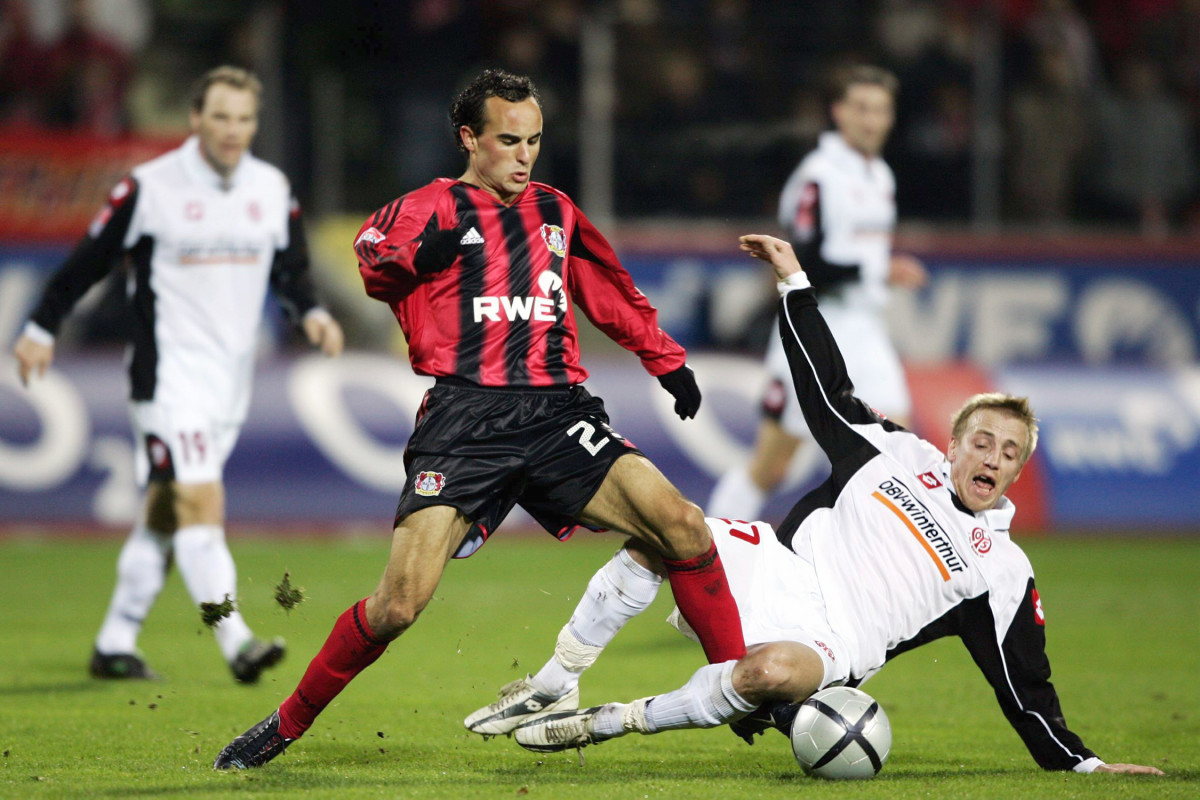
Landon Donovan plays for Bayer Leverkusen vs. Mainz in February 2005.
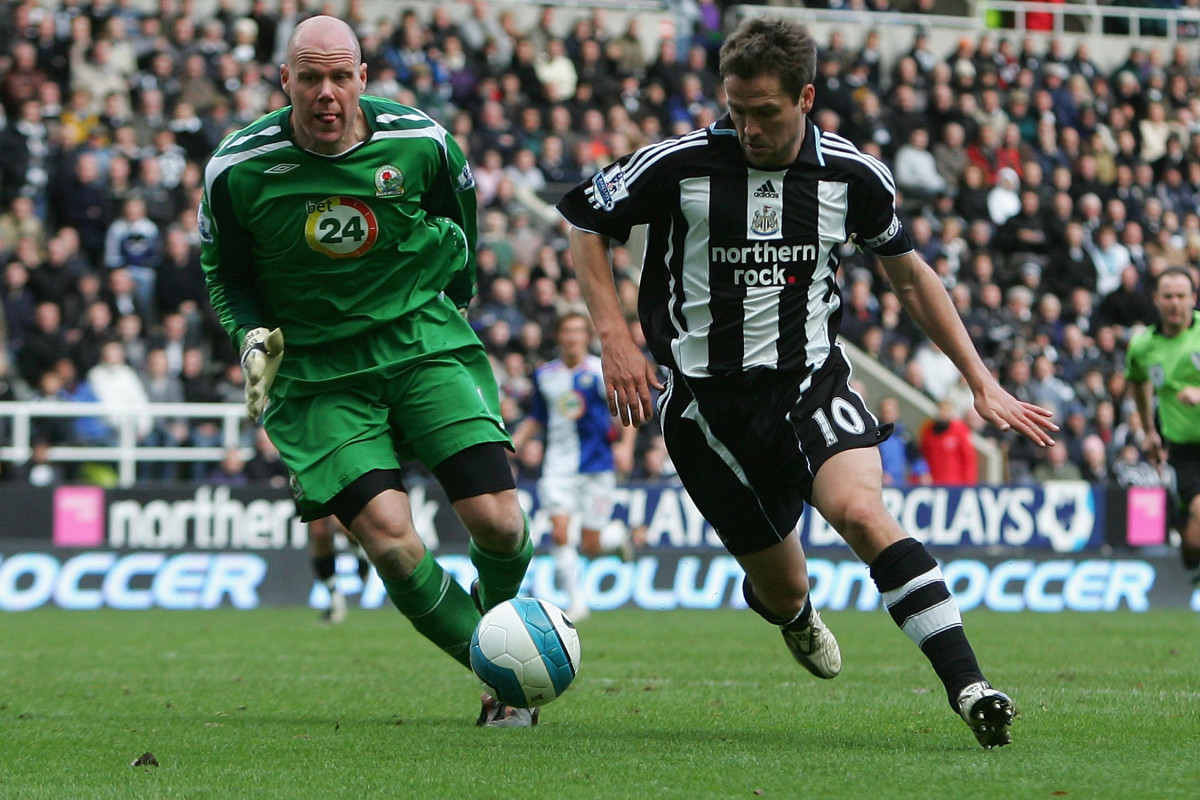
Blackburn goalkeeper Brad Friedel chases down Newcastle's Michael Owen in a 2008 Premier League match.
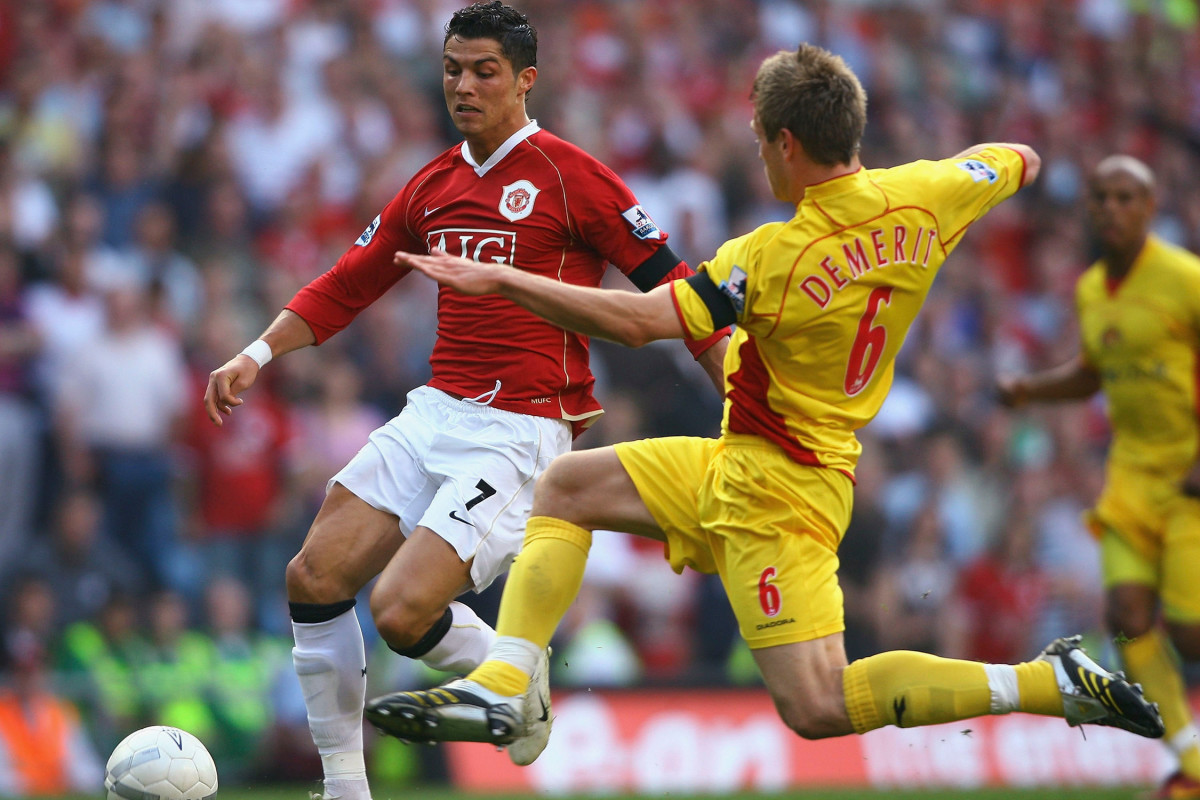
Jay DeMerit defends against Cristiano Ronaldo in Watford's FA Cup semifinal vs. Manchester United in 2007.
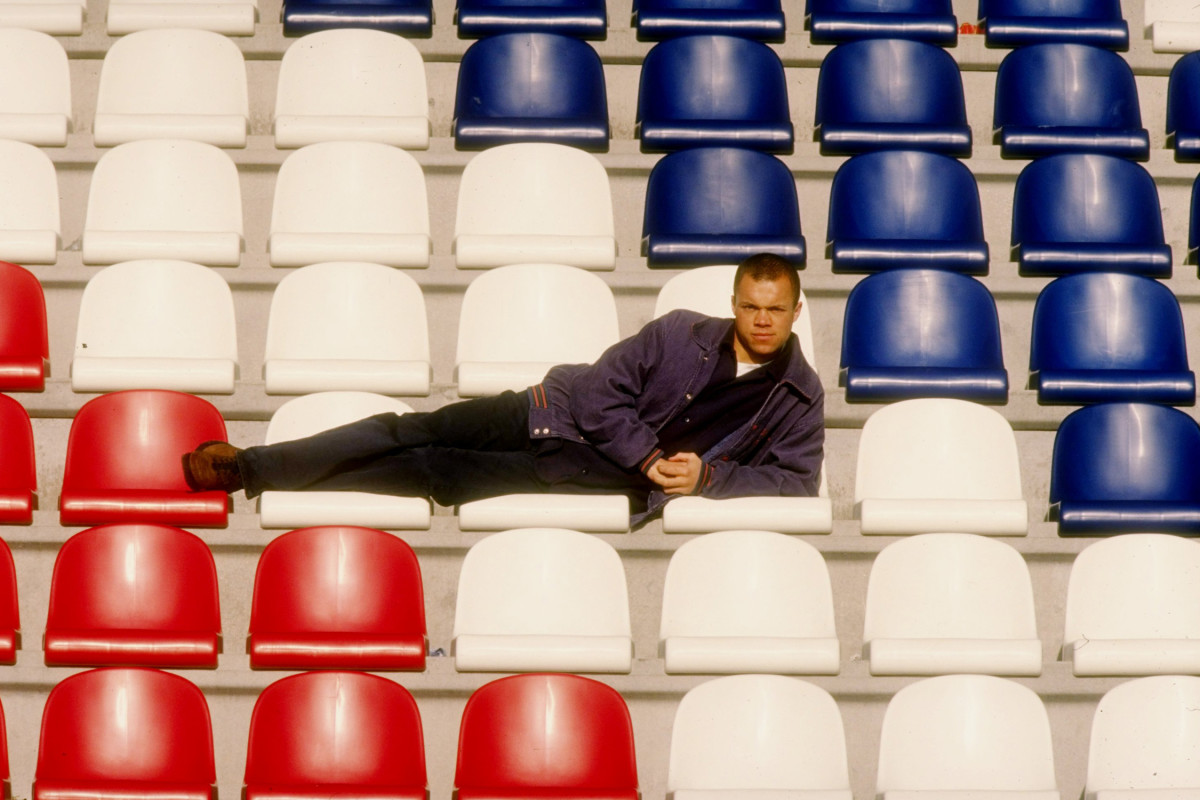
Earnie Stewart poses in the stands at the home stadium of Dutch club Willem II, where he played from 1990 to 1996.
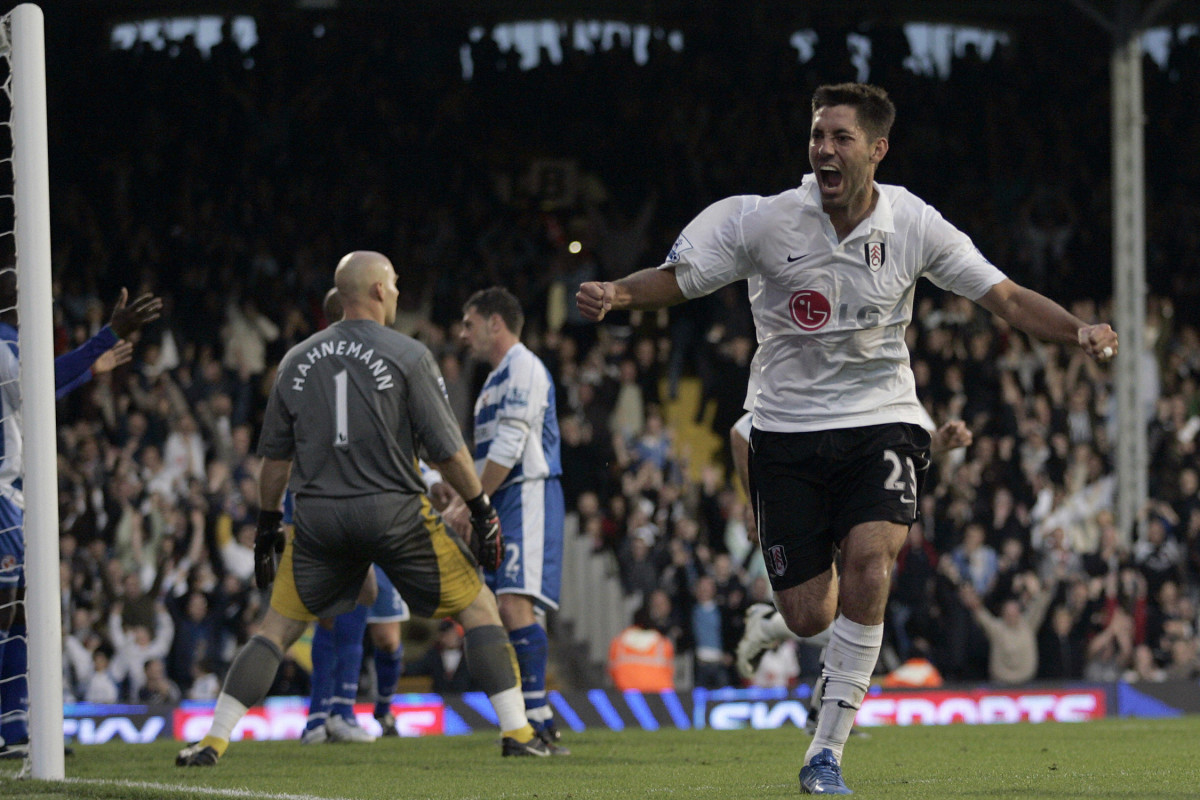
American-on-American crime: Clint Dempsey scores for Fulham on Reading goalkeeper Marcus Hahnemann in a November 2007 Premier League match.
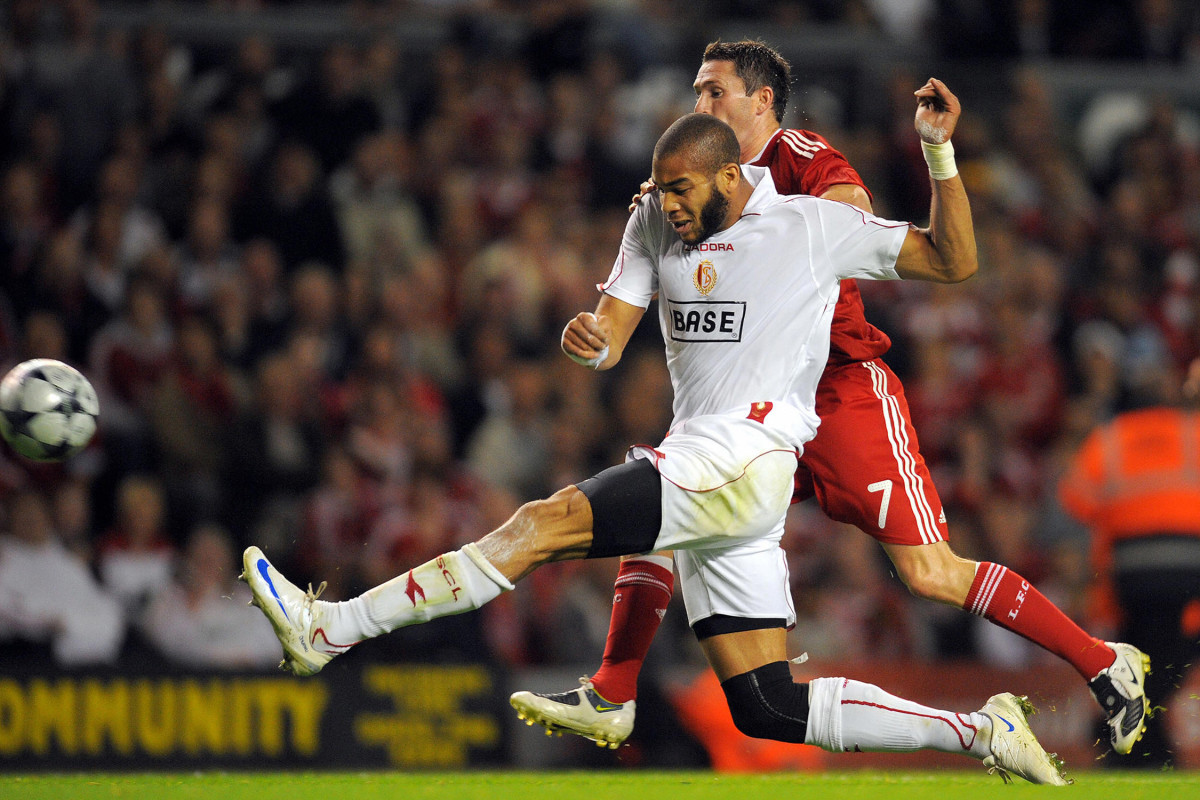
Oguchi Onyewu, playing for Standard Liege, defends against Liverpool's Robbie Keane in a Champions League qualifying match in August 2008.
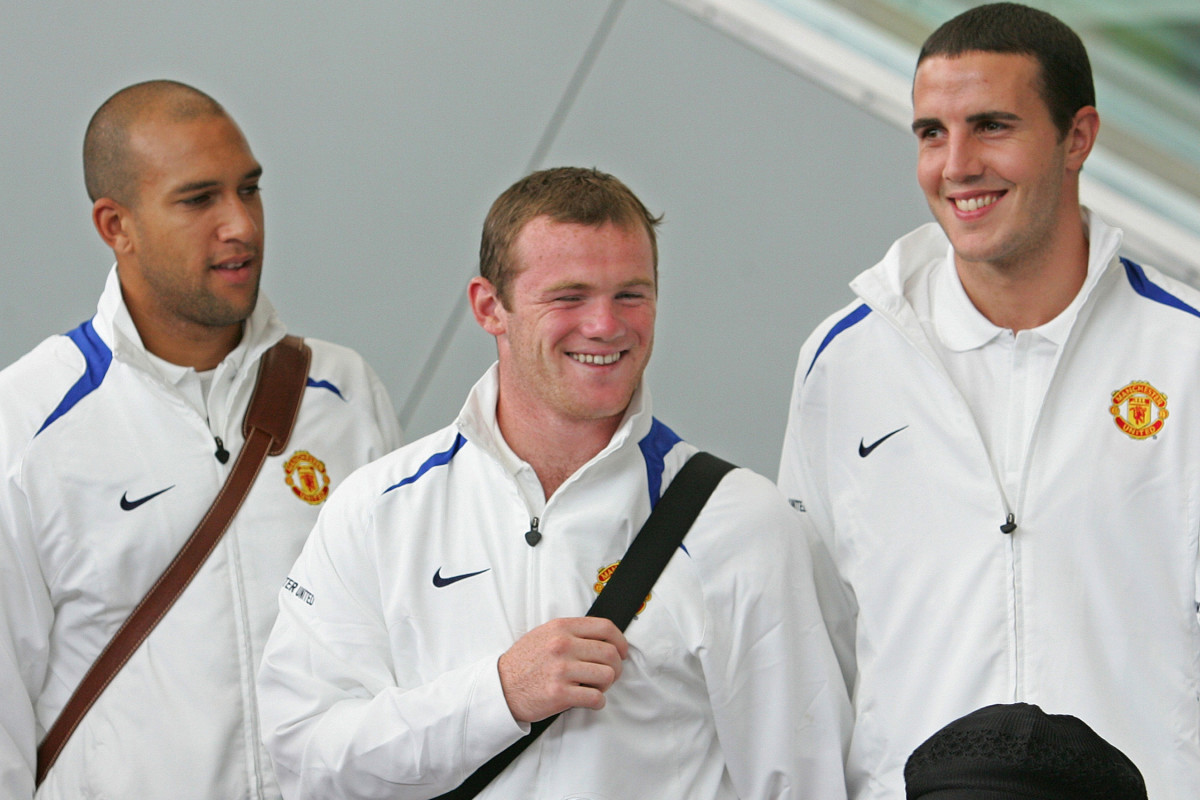
Tim Howard stands with Manchester United teammates Wayne Rooney and John O'Shea in Hong Kong in July 2005.
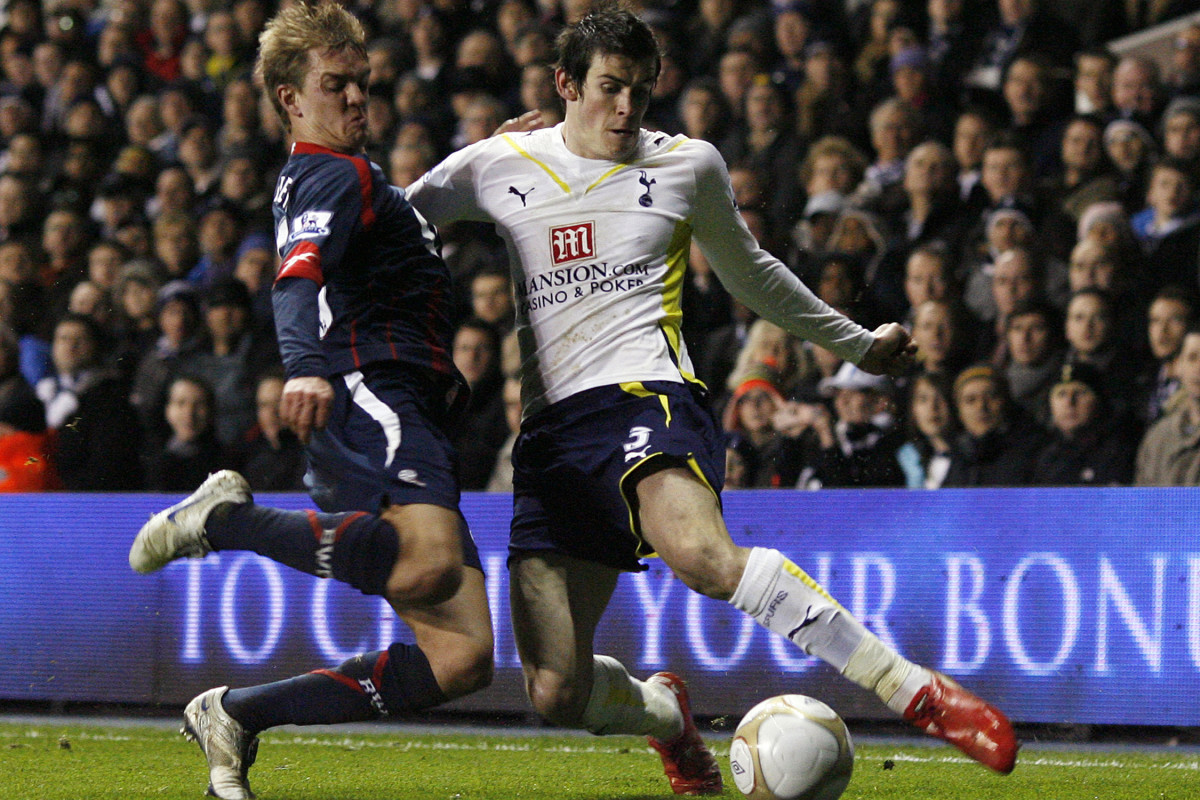
Stuart Holden tries to take the ball off Gareth Bale in a Bolton-Tottenham FA Cup clash in February 2010.
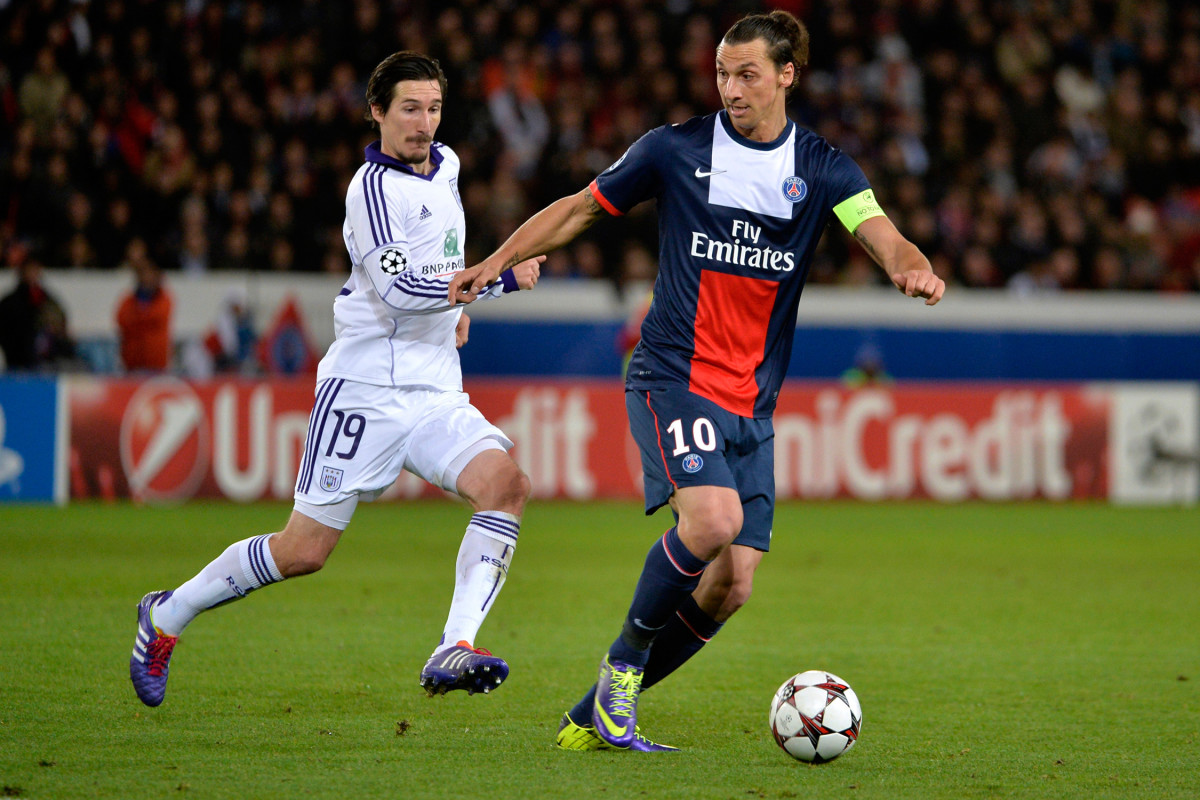
Anderlecht's Sacha Kljestan chases down PSG's Zlatan Ibrahimovic in a Champions League group match in 2013.
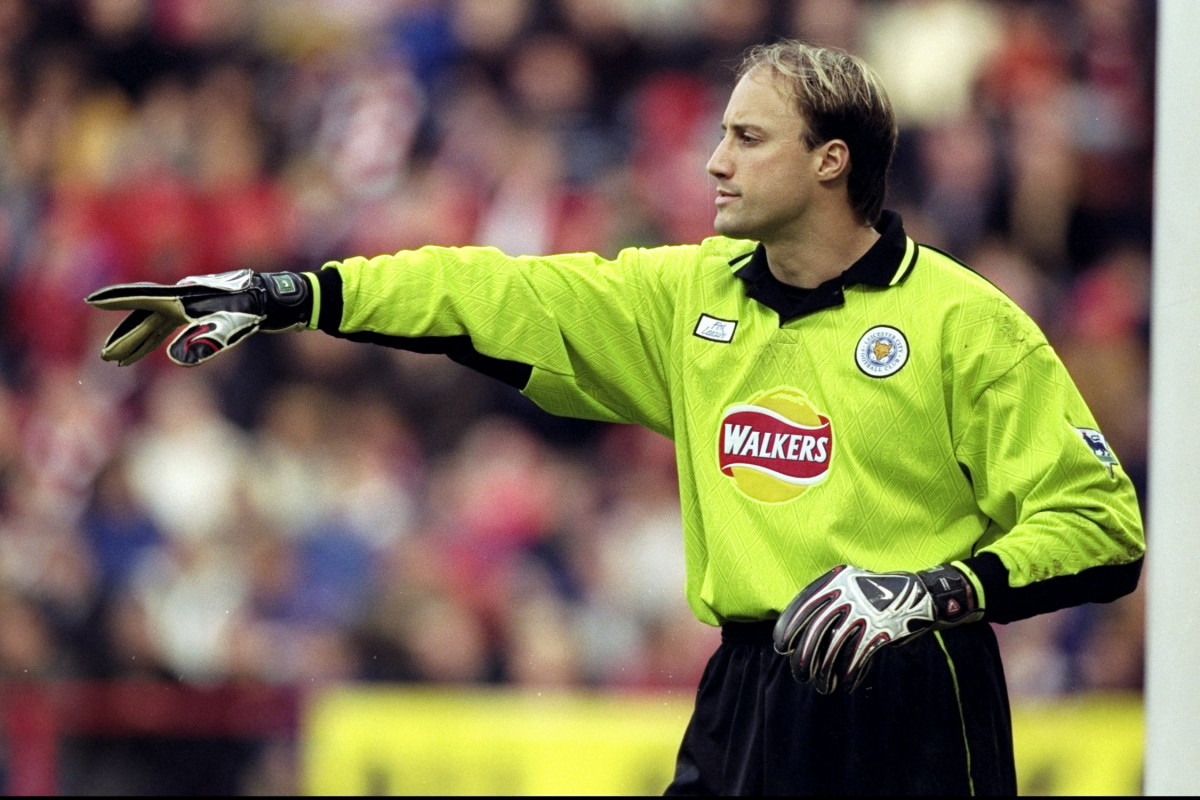
Kasey Keller mans the goal for Leicester City against Charlton Athletic in November 1998.
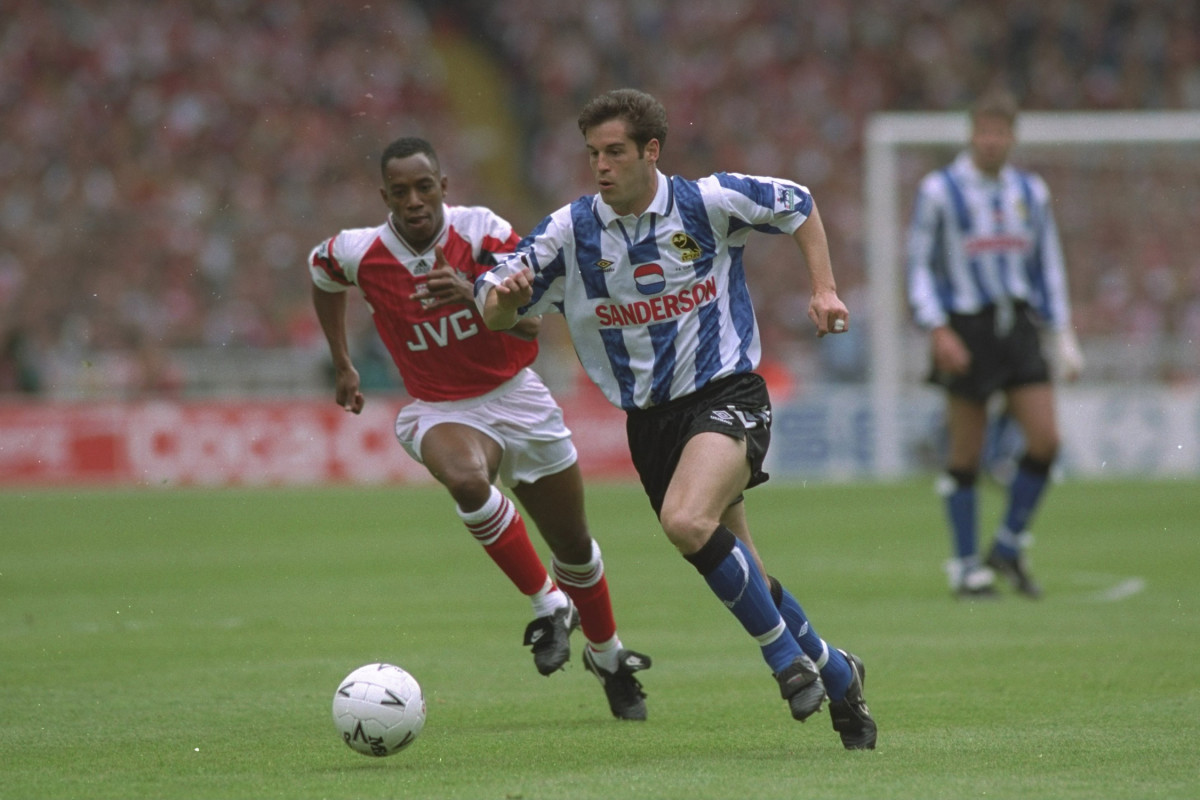
Sheffield Wednesday's John Harkes races by Arsenal's Ian Wright in the 1993 FA Cup final, which went to an eventual replay.
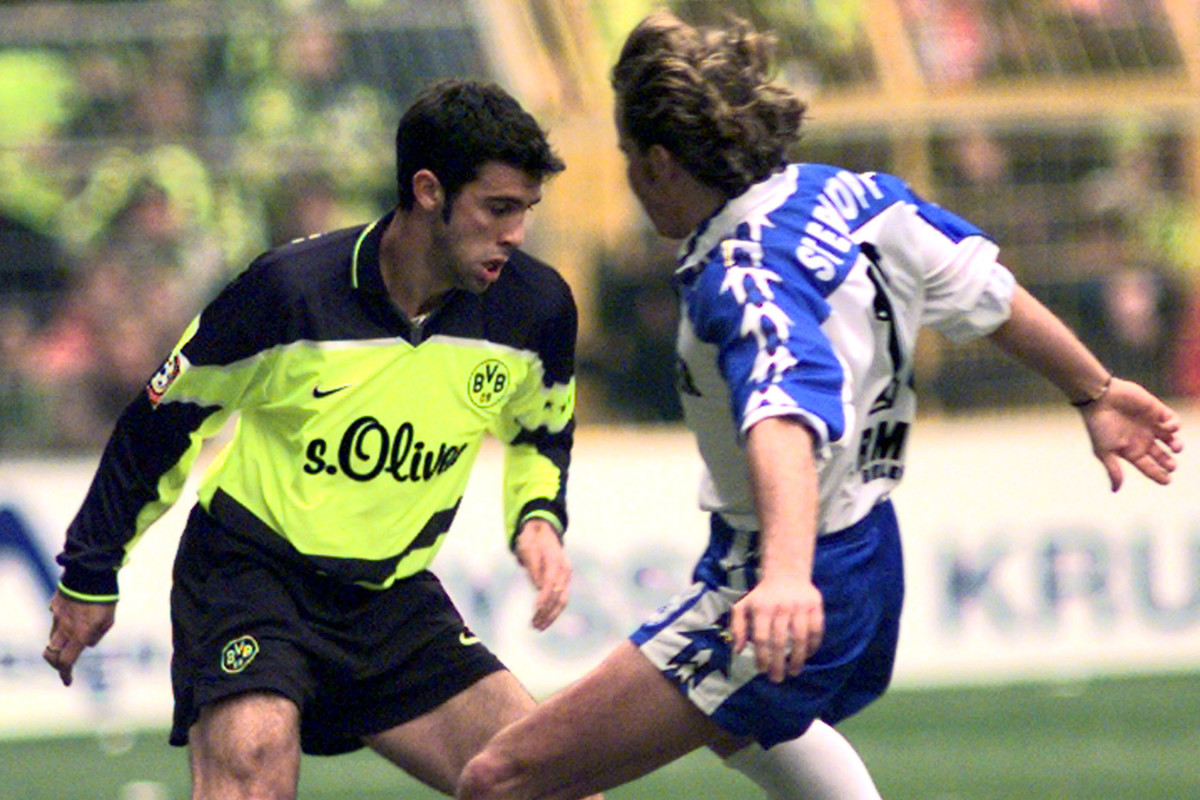
Jovan Kirovski, the first American to win the Champions League, plays for Borussia Dortmund in March 1998.
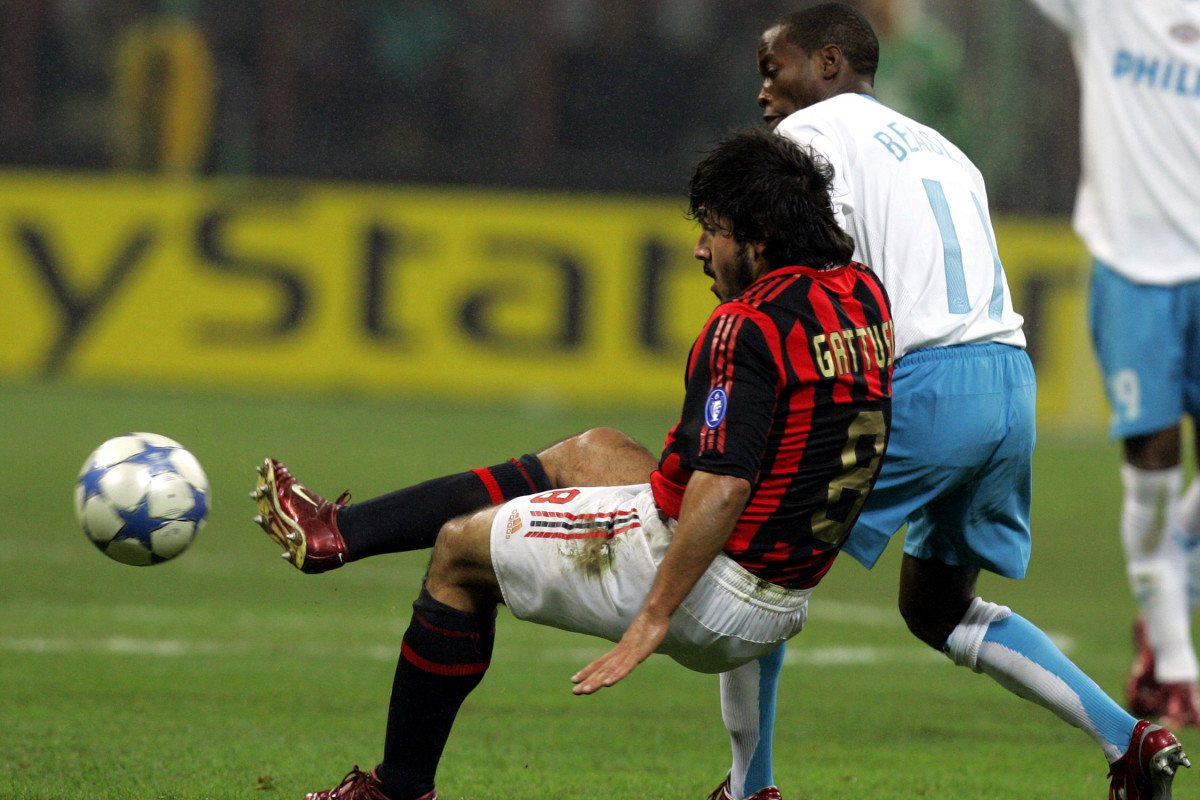
PSV Eindhoven's DaMarcus Beasley gets tangled with AC Milan's Gennaro Gattuso in a 2005 Champions League battle in Milan.
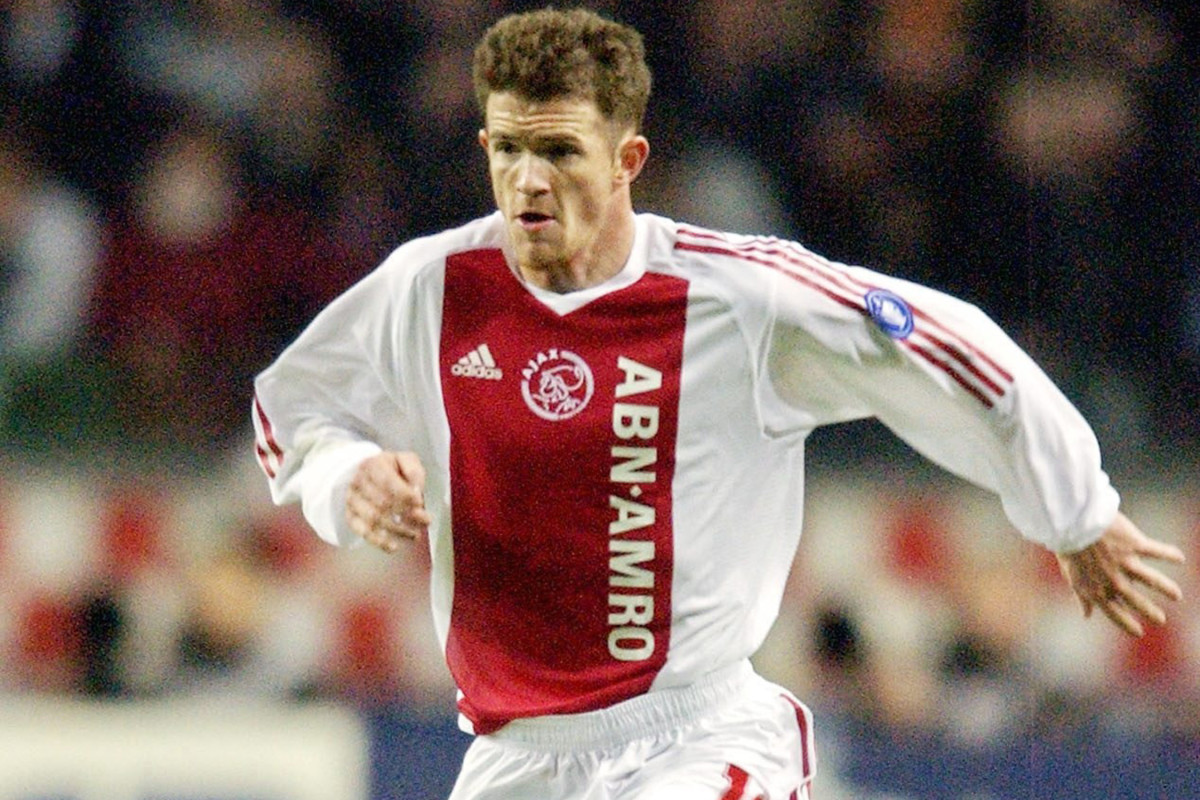
John O'Brien dribbles down the field for Ajax in the 2002-2003 Champions League.
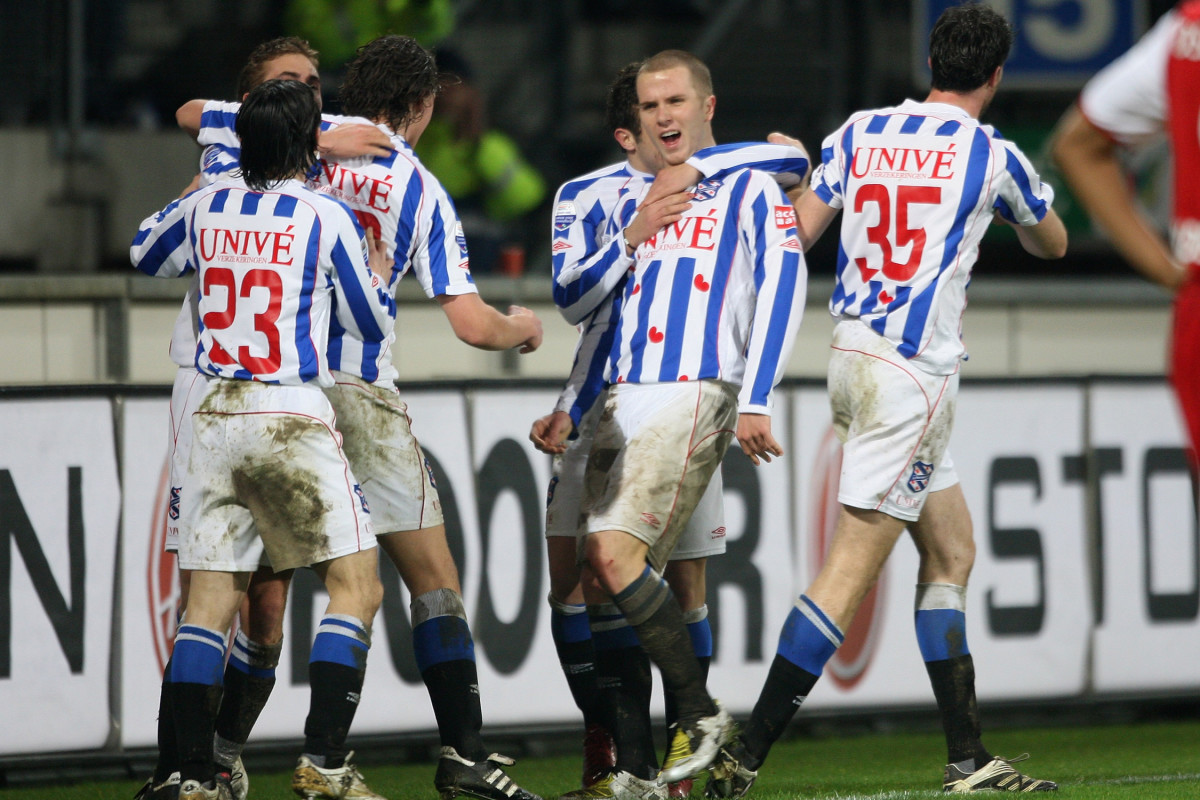
Michael Bradley is mobbed by his teammates after scoring for Heerenveen in an Eredivisie match vs. AZ Alkmaar in January 2008.
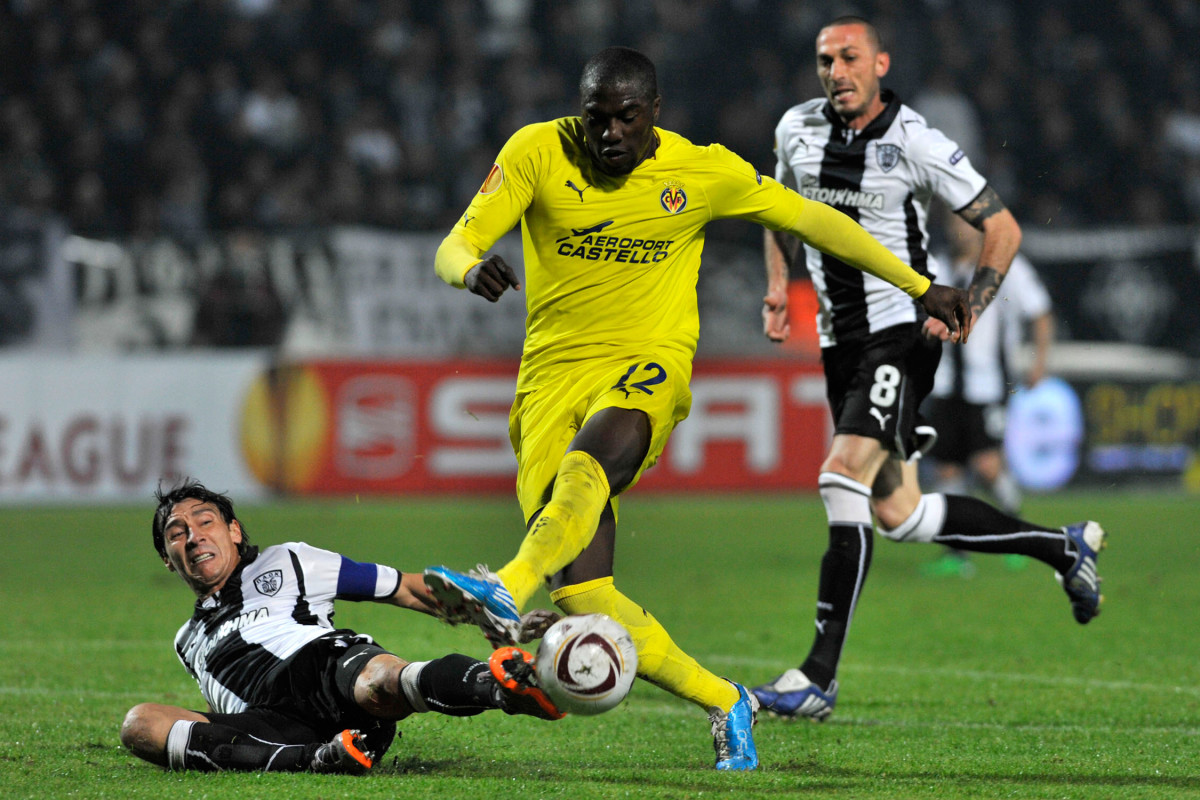
Jozy Altidore tries to take a shot for Villarreal against PAOK in a UEFA Europa League group match in November 2010.
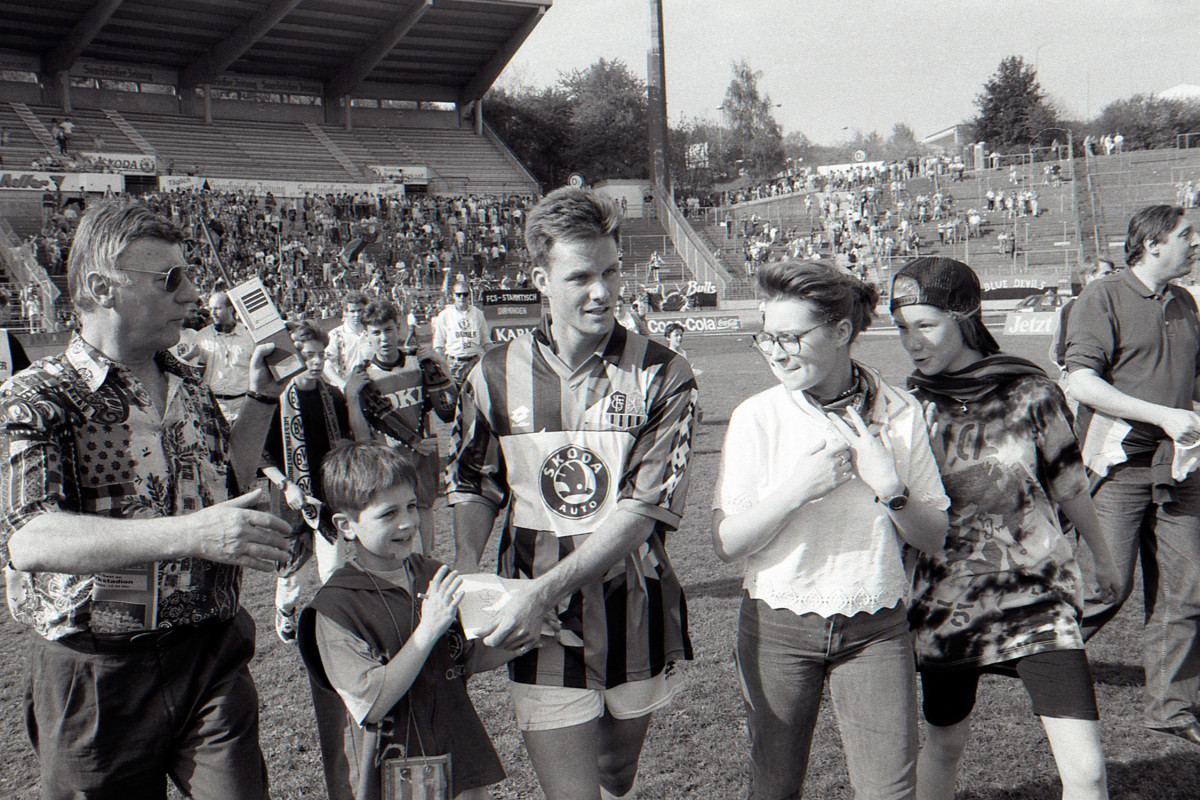
Eric Wynalda walks off the field for German club Saarbrucken in April 1994.
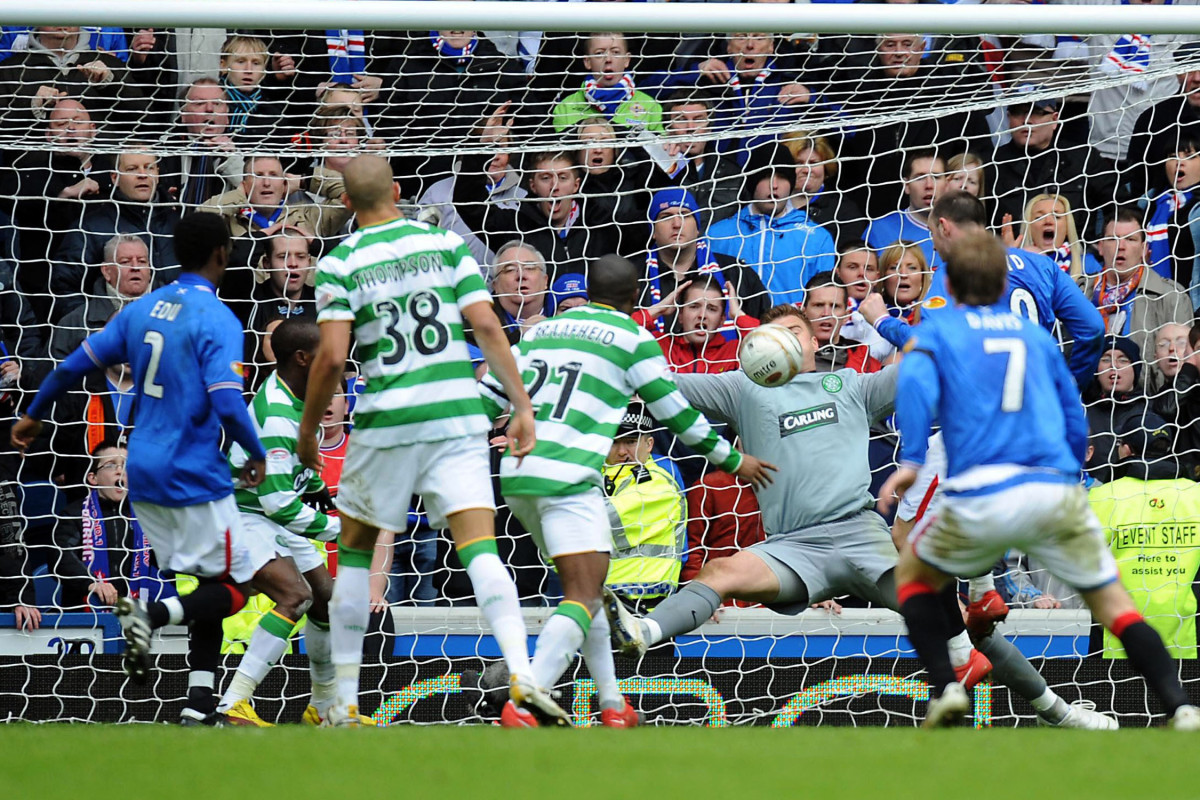
Maurice Edu scores the game-winning goal for Rangers vs. Celtic in a heated Old Firm derby in February 2010.
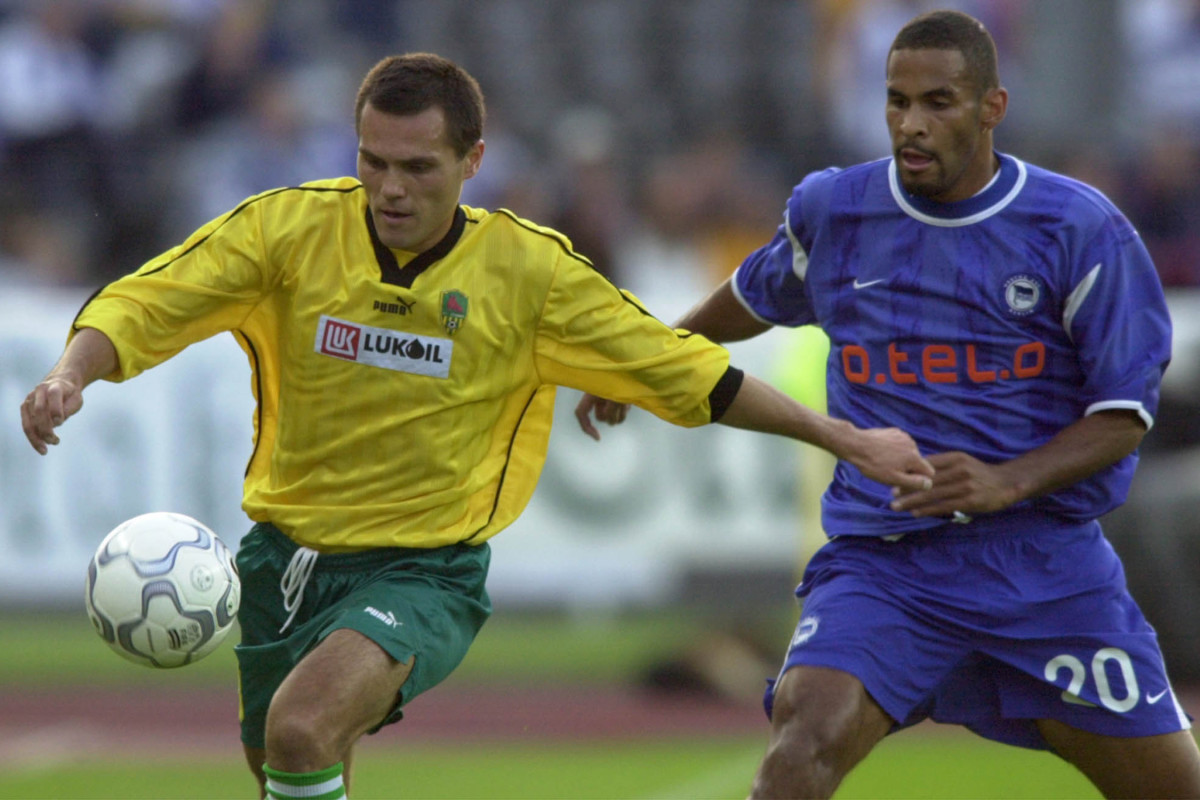
Tony Sanneh defends for Hertha Berlin against Moldovan club FC Zimbru Chisinau in a UEFA Cup match in Berlin in September 2000.
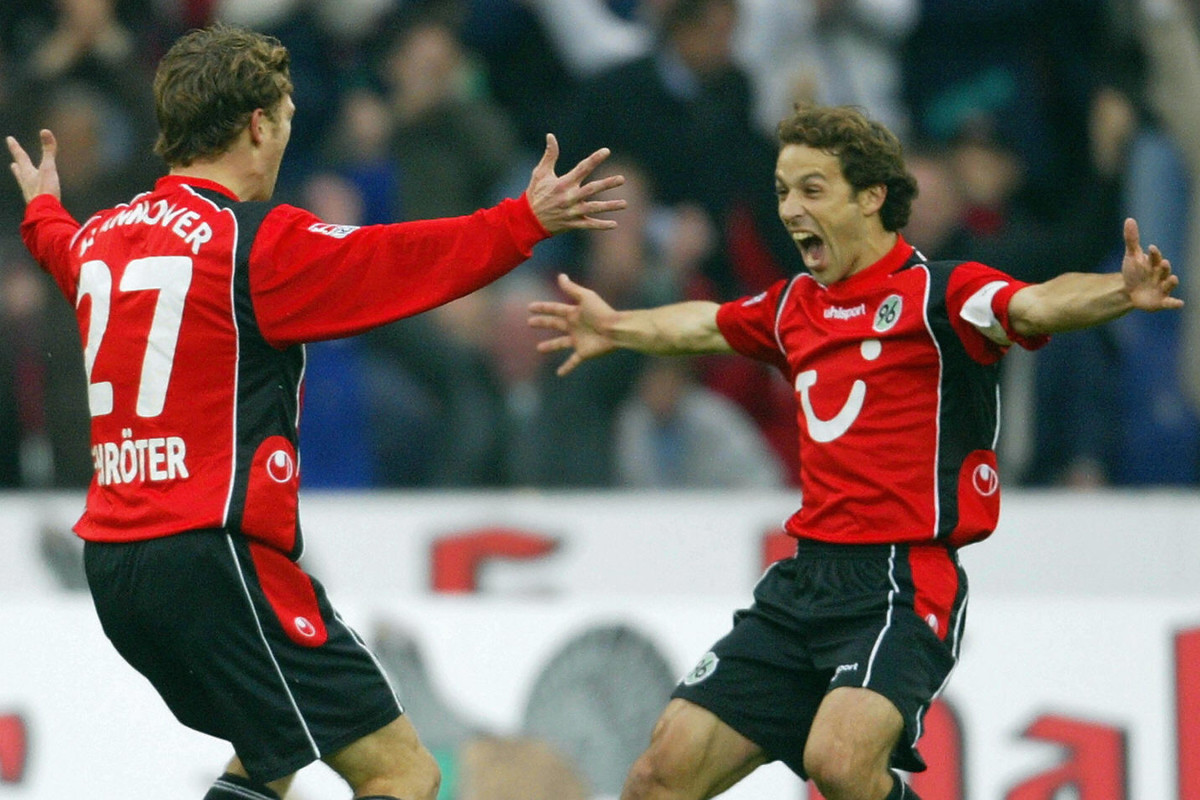
Steve Cherundolo celebrates a goal for Hannover against Wolfsburg in October 2004.
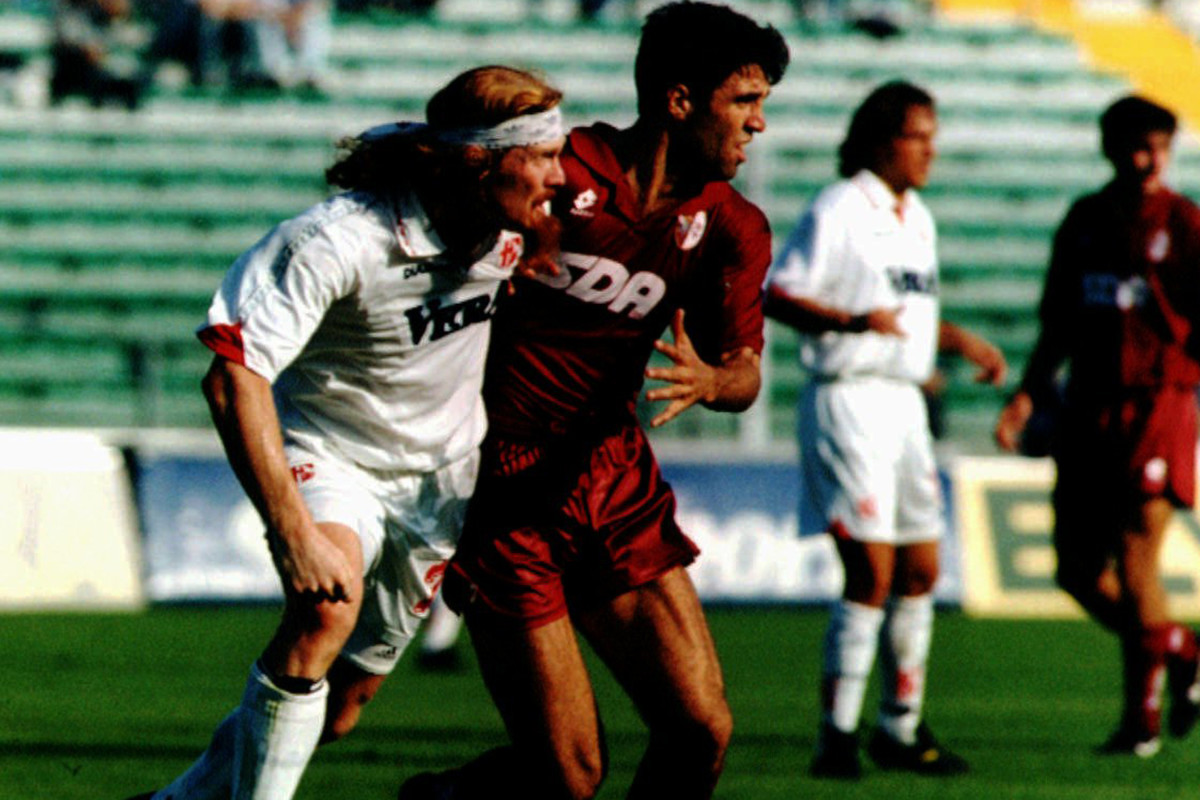
Alexi Lalas defends for Padova against Torino in Italy's top flight in September 1995.
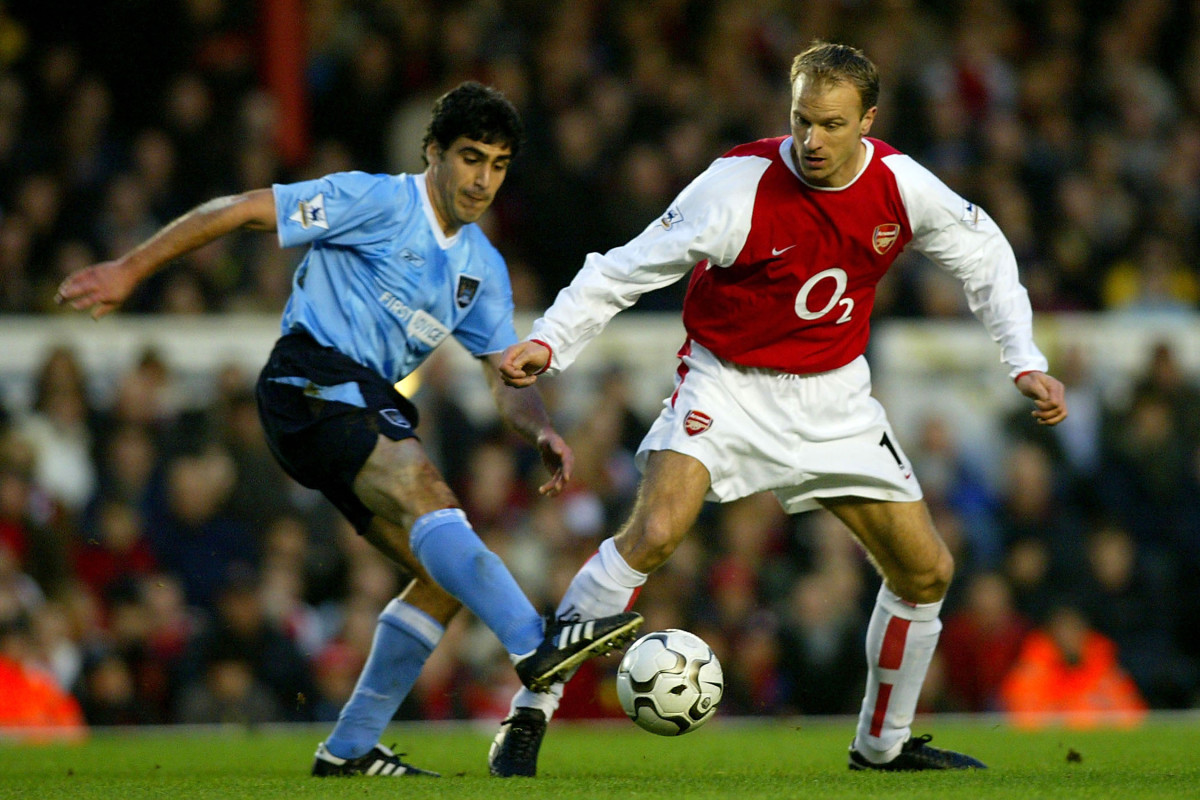
Manchester City's Claudio Reyna goes head-to-head with Arsenal's Dennis Bergkamp in a Premier League battle in February 2004.
More troubling is the way in which the Bradley appointment was made. Swansea almost went out of business in 2002 and was saved by the efforts of fans. The Supporters Trust took part ownership of the club and retains 21% of shares. Under the chairmanship of Huw Jenkins, Swansea seemed like a model club (in 2013, a survey by the Football Supporters Federation voted Swansea the best-run club in the country). It rose through the divisions, moved into a new stadium, won the League Cup and all the while fans had a say in how it was run.
There was a clear philosophy underpinning signings and a policy of appointing managers who played in a certain way, aiming at continuity rather than the sort of upheaval that so often flows the arrival of a new coach. The transition from Roberto Martinez to Paulo Sousa to Brendan Rodgers to Michael Laudrup was as seamless as such things can be. But in July a U.S. consortium led by Steve Kaplan and Jason Levien bought a 60% stake. There was immediate anxiety: would they respect how business had been conducted in the past? Would they continue the policy of consulting supporters?
Mailbag: After Bradley, who's the next American coach to make it big overseas?
The early signs are that those worries were justified. The Supporters Trust was not consulted on either the dismissal of Guidolin or the appointment of Bradley. Not surprisingly, the Supporters Trust, the people who saved the club, feel aggrieved and outsiders who have come in and ignored Swansea’s recent traditions.
There are, of course, some doubts about Bradley, and it would be naïve to claim that the fact he shares a nationality with the new owners aren’t part of them. But of more significance is the fact that he has no experience in the Premier League; there were similar doubts about Pep Guardiola. As Bradley has acknowledged, those concerns are entirely reasonable.
“Let's be clear,” he said. “No matter what your name is, if you come to the Premier League you have to earn respect. No one gets it on a plate. You get tested.”
Management is complicated; what works in one place may not work in another. Only the 128 years of league football, only four managers have ever won the championship with different clubs; to a large extent success comes from the happy coincidence of a manager whose personality and ideas chime with the group of players at his disposal.
Bradley’s past record is impressive. What he achieved with Egypt in almost impossibly difficult circumstances was extraordinary. But international football is a very different game to club football both in terms of tactics and the dynamics of a squad. Success in Norway, as Ole Gunnar Solskjaer found at Cardiff, doesn’t necessarily translate to the Premier League. Bradley’s resume is of limited relevance.
Swansea said he interviewed well. Leaving aside the fact that those talks were conducted while Guidolin was still in a job, that’s probably the most positive sign about his appointment. An interview is certainly a better reason for appointing somebody than being Welsh and having been a great player, which on the surface is all there is to recommend Ryan Giggs, whose candidacy seems to have received a swell of support from pundits who used to be players. The misguided faith in the capacity of former players to succeed as managers is a far greater issue for British football than anti-Americanism.
Bradley alluded to that in an interview last year.
“There’s certainly a network,” he said “There are some very good managers but also some others that aren’t very good but still manage to get jobs and opportunities.”
He’s now got his chance on the merry-go-round and it’s up to him to make the most of it. Whether he succeeds or fails will be down to results, not his nationality.
 Add us as a preferred source on Google
An accomplished author of multiple books, Jonathan Wilson is one of the world’s preeminent minds on soccer tactics and history.