%20%20--%3E%0A%3Csvg%20version%3D%221.1%22%20id%3D%22Layer_1%22%20xmlns%3D%22http%3A%2F%2Fwww.w3.org%2F2000%2Fsvg%22%20xmlns%3Axlink%3D%22http%3A%2F%2Fwww.w3.org%2F1999%2Fxlink%22%20x%3D%220px%22%20y%3D%220px%22%0A%09%20width%3D%2239px%22%20height%3D%2240px%22%20viewBox%3D%220%200%2039%2040%22%20enable-background%3D%22new%200%200%2039%2040%22%20xml%3Aspace%3D%22preserve%22%3E%0A%3Cpath%20fill%3D%22%23FFFFFF%22%20d%3D%22M38.5%2C7H28.2v26h10.3V7z%22%2F%3E%0A%3Cpath%20fill-rule%3D%22evenodd%22%20clip-rule%3D%22evenodd%22%20fill%3D%22%23FFFFFF%22%20d%3D%22M26.1%2C25.5c0%2C5.8-4.1%2C7.5-12.9%2C7.5C3.9%2C33%2C0%2C31.2%2C0%2C25.2v-1.1h11.6%0A%09v2.4c0%2C0.7%2C0.1%2C1.4%2C1.2%2C1.4c1%2C0%2C1.2-0.4%2C1.2-1.3v-0.9c0-1.6-0.9-1.6-3.5-2.2C2.2%2C21.7%2C0%2C19.7%2C0%2C15.3v-0.9C0%2C9.3%2C5.5%2C7%2C12.9%2C7%0A%09c10.2%2C0%2C12.8%2C2.6%2C12.8%2C7.4v1.8h-11v-2.9c0-0.6-0.4-1.1-1.2-1.1c-0.6%2C0-1.2%2C0.4-1.2%2C1.1v0.9c0%2C1.5%2C0.9%2C2%2C3.3%2C2.5%0A%09c8%2C1.6%2C10.5%2C3.3%2C10.5%2C7.5V25.5z%22%2F%3E%0A%3C%2Fsvg%3E%0A)
ADP review: Gronkowski rising fast, a mid-round QB comparison and more
Putting together a fantasy football team is a little bit like building a Lego house. There are a lot of different pieces that will create a house with structural integrity. You don’t need any one piece in particular. You just need to make sure they all fit together to give you (or one of those little Lego people) something in which to live.
In fantasy football, there is no one specific player you absolutely need to win your league this year. All you need is a roster of sound construction where all the pieces make sense together. One of the key steps in laying out a blueprint for your draft is to study average draft position (ADP) numbers to get a feel for exactly when each player is coming off the board in a typical draft. Arming yourself with such information will let you know if you need to chase Wide Receiver X right now, or focus on another position secure in the fact that Wide Receiver Y will be available when your next pick comes around.
POSITION PRIMERS:
QB | RB | WR | TE | K | DST
ADP can shift dramatically as the summer progresses. Over the next five weeks, we’ll take a look at changes in ADP with some of fantasy’s most intriguing players to help you get the most value out of each and every one of your draft picks. To kick it off this week, we’ll take a look at some players who have already seen their ADP move significantly among early drafters and identify a couple overvalued and undervalued guys. All ADP numbers are courtesy of Fantasy Football Calculator as of August 7.
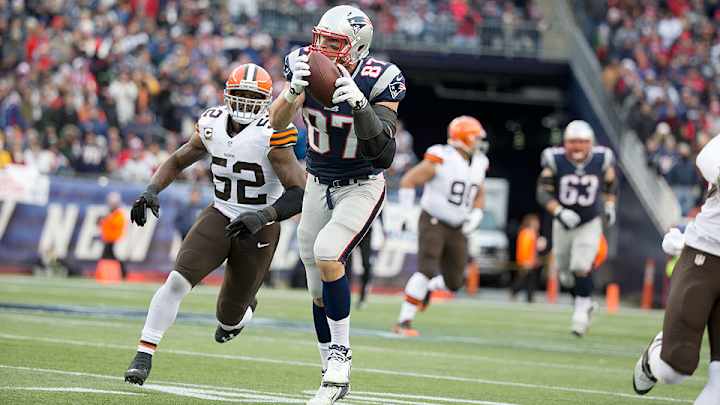
Rob Gronkowski, Patriots
ADP: 26.5
Player before: Doug Martin (25.5)
Player after: Zac Stacy (27.8)
One month ago, Gronkowski had an ADP that made him the ninth pick in the third round of a typical draft. He’s now being selected early in the third round and could continue rising as August wears on. No one questions what Gronkowski can do when healthy. After all, he has outscored Jimmy Graham on a per-game basis over the last three seasons. Last season marked the high point for Graham and low point for Gronk from 2011 though 2013, and Graham outscored him by 1.7 points per game. By contrast, Gronkowski bested Graham by 3.1 points per game in 2012 and 2.8 in 2011. If we knew he were going to play 14 or 15 games this year, Gronkowski would likely be joining Graham in the first round of most drafts. He has not experienced any setbacks with his knee, back or forearm this year, though the Patriots are taking it easy with him early in training camp.
Arrival of Revis, Browner signals new approach for Patriots secondary
At his current ADP and with his past production in mind, Gronk will turn a profit for fantasy owners if he plays 12 games. The risk is that he misses half the season like last year, but unlike 2013, he's entering the 2014 season with a clean bill of health. Gronk is a steal early in the third round of 12-team drafts. The red flags surrounding Zac Stacy have been well documented here, and all the backs in this neighborhood have their question marks. Jordy Nelson, Antonio Brown and Alshon Jeffery could conceivably be available to you, as well, and it would be hard to pass on one of them, especially Nelson or Jeffery for Gronk. However, if those elite receivers are off the board, Gronk is the pick to make.
Giovani Bernard, Bengals
ADP: 19.1
Player before: Arian Foster (17.7)
Player after: Aaron Rodgers (19.2)
Bernard is one of the most interesting players on the board and, perhaps, one of the biggest land mines. His ADP has remained flat most of the summer, pegging him as a late-second-round pick in 12-team leagues. The unstated belief in this ranking is that with a full season under his belt, Bernard will have a greater role in the Cincinnati offense. I’m simply not sure that is the case. Under departed offensive coordinator Jay Gruden, BenJarvus Green-Ellis got 220 carries to Bernard’s 170 last year. BJGE is still in Cincinnati, the Bengals used a second-round pick on LSU product Jeremy Hill and new offensive coordinator Hue Jackson is a bigger believer than Gruden in a power running game. That’s not exactly a formula for increased Bernard touches.
What if Bernard remains in the exact same role in the offense he had last year, with Hill wresting away most of Green-Ellis’ carries? There’s belief around Cincinnati that Hill will get 10 to 15 touches per game, which would translate roughly to the 220 carries BJGE racked up last season. Those would, of course, include goal-line carries. Bernard did make a serious impact as a receiver, catching 56 of his 70 targets for 514 yards and three scores. He also had eight receptions of at least 20 yards, which gave him 11 plays that went for 20-plus yards, translating to 4.9 percent of his total touches. As a comparison, Jamaal Charles was also at 4.9 percent, while LeSean McCoy came in at 4.5 percent. However, those guys are also locks to get at least 300 touches, including most of their team’s carries at the goal line. For Bernard to justify his draft day price, he will have to hit on a number of big plays this season. This is not to say that he can’t do it, but rather to make the buyer aware of what they’re getting into by making Bernard a second-round pick.
2014 Fantasy Football Sleepers
Knile Davis - RB, Kansas City Chiefs
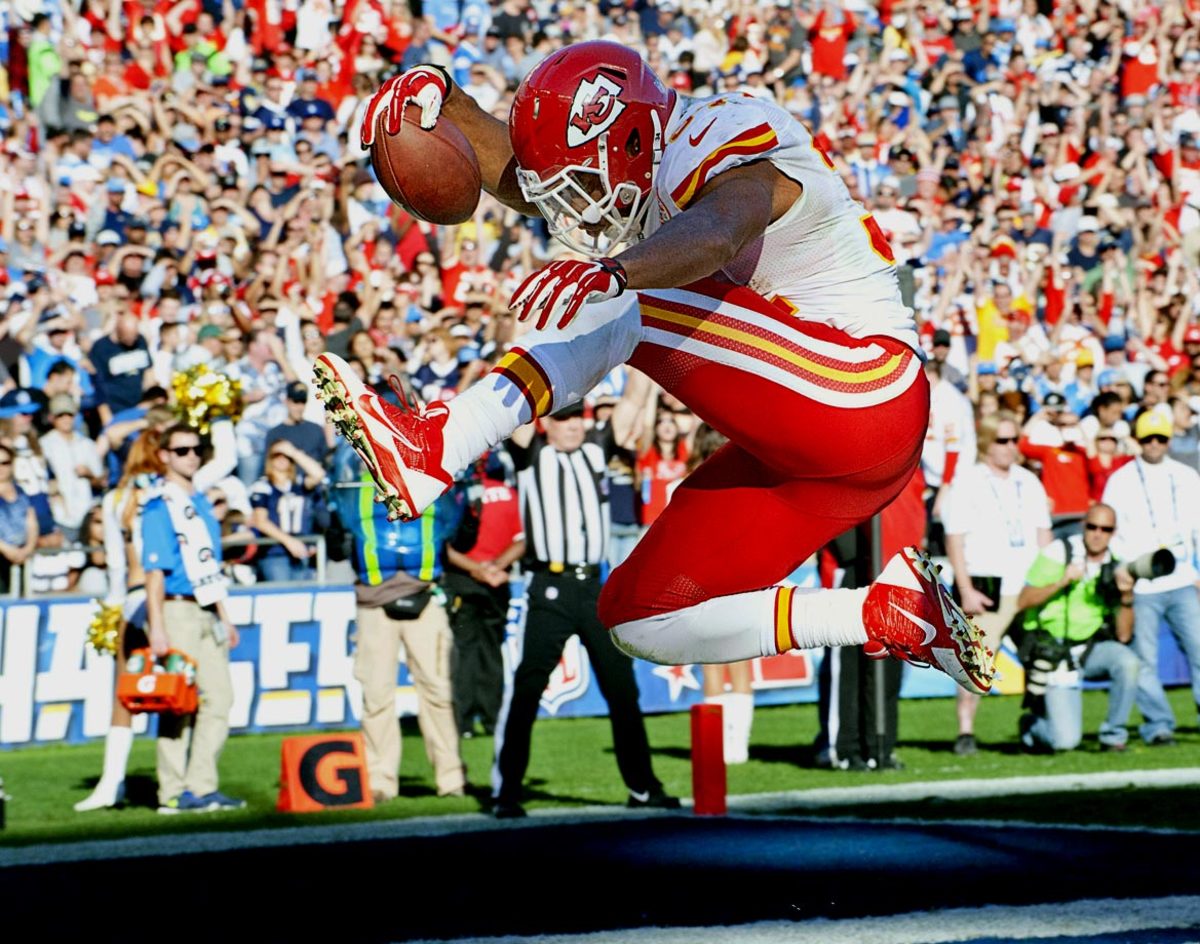
Davis is about as important a handcuff as you’ll find in the league. Davis would impact fantasy standings if Jamaal Charles goes down at any point. Davis picked up 81 yards and two TDs on 27 carries when Charles was resting Week 17 last season.
Terrance West - RB, Cleveland Browns
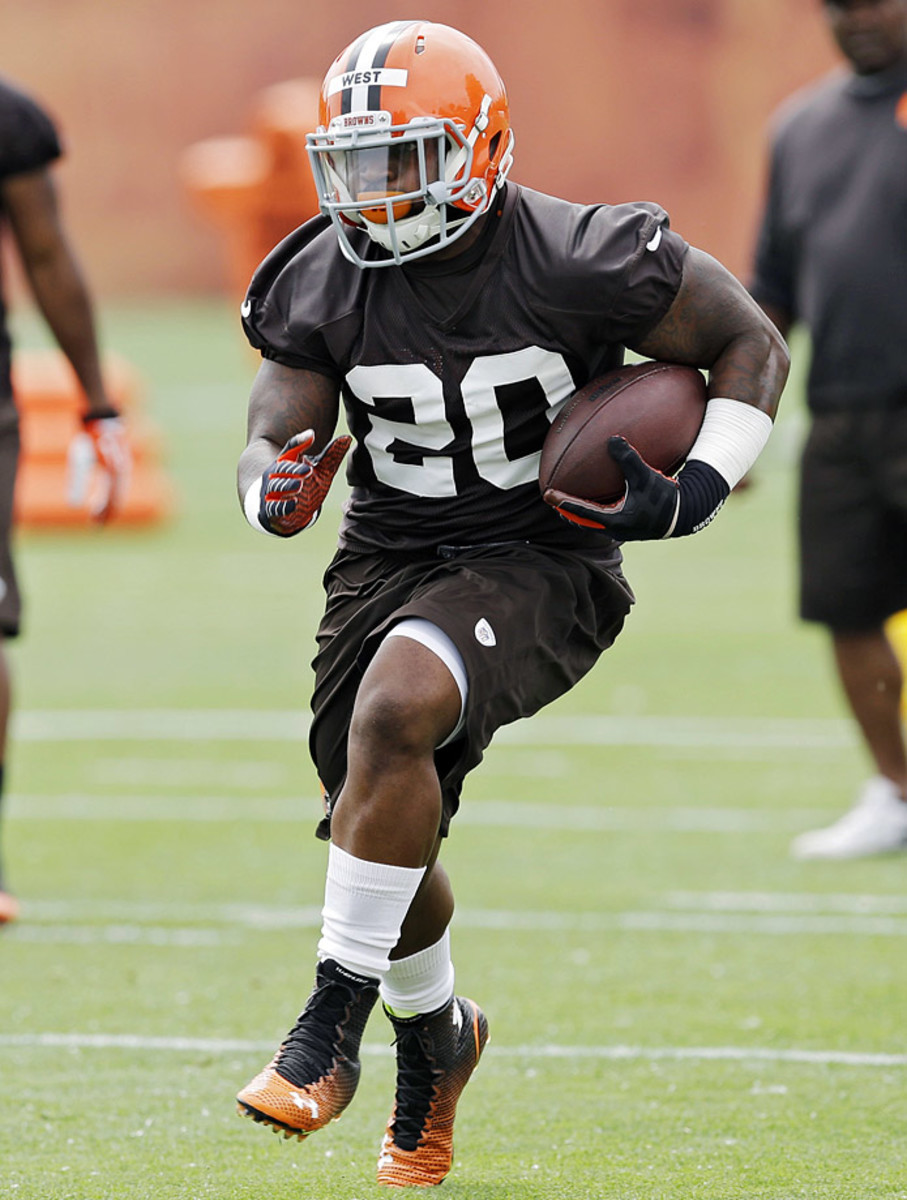
The rookie will need to beat out veteran Ben Tate for touches, but his upside is enormous. Browns running back coach Wilbert Montgomery recently told reporters, ''He has that Ricky Watters, Walter Payton, lure-you-to-sleep-on-the-sideline move that I can accelerate or play like I’m going to accelerate and come back inside. Those are traits I haven’t seen in a while.''
Dri Archer - RB, Pittsburgh Steelers
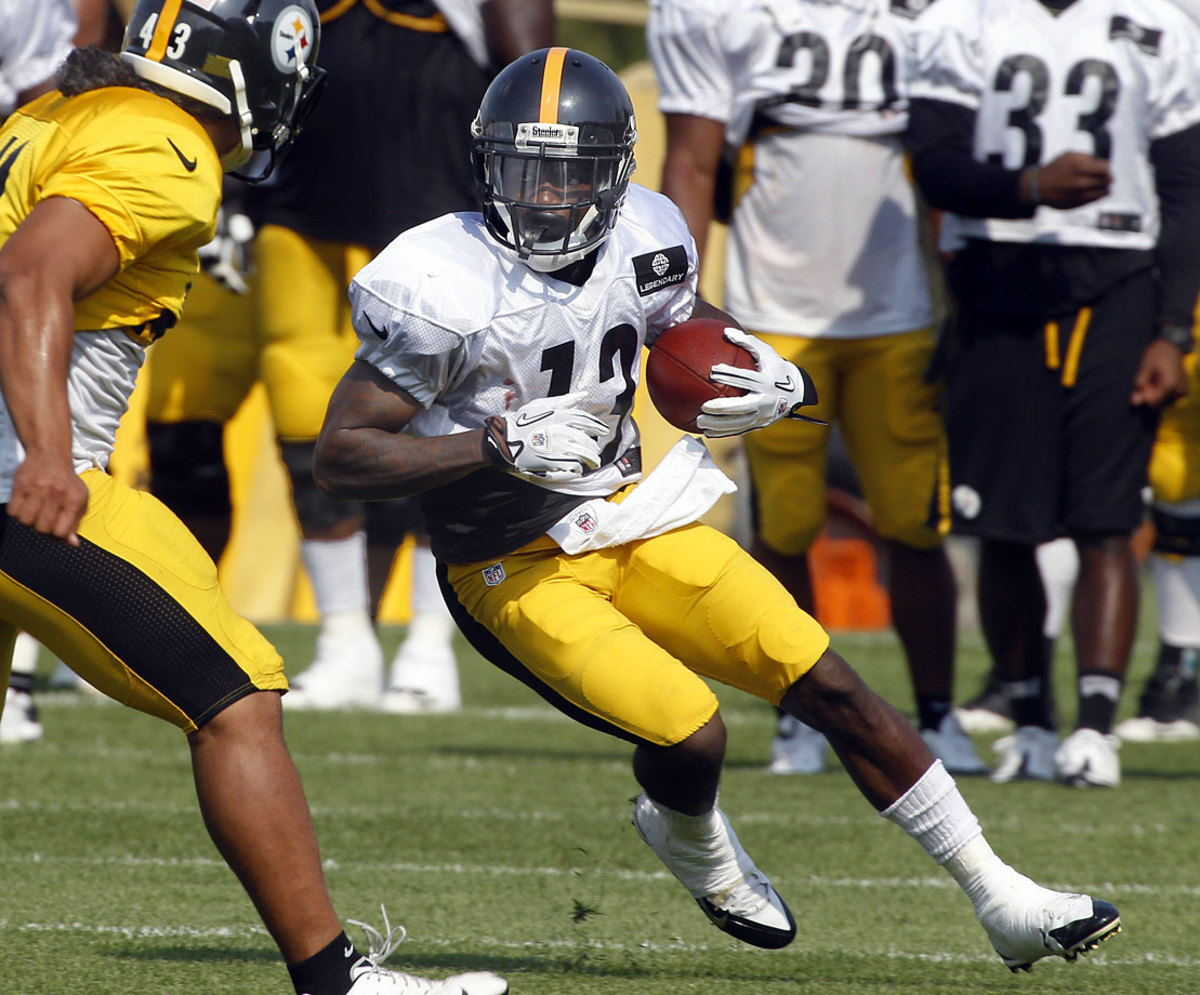
It’s possible that the undersized third-round pick is restricted to kick return duty in his rookie year. It’s also possible that Archer emerges as a dynamic RB/WR who could score anytime he touches the ball.
Lache Seastrunk - RB, Washington Redskins
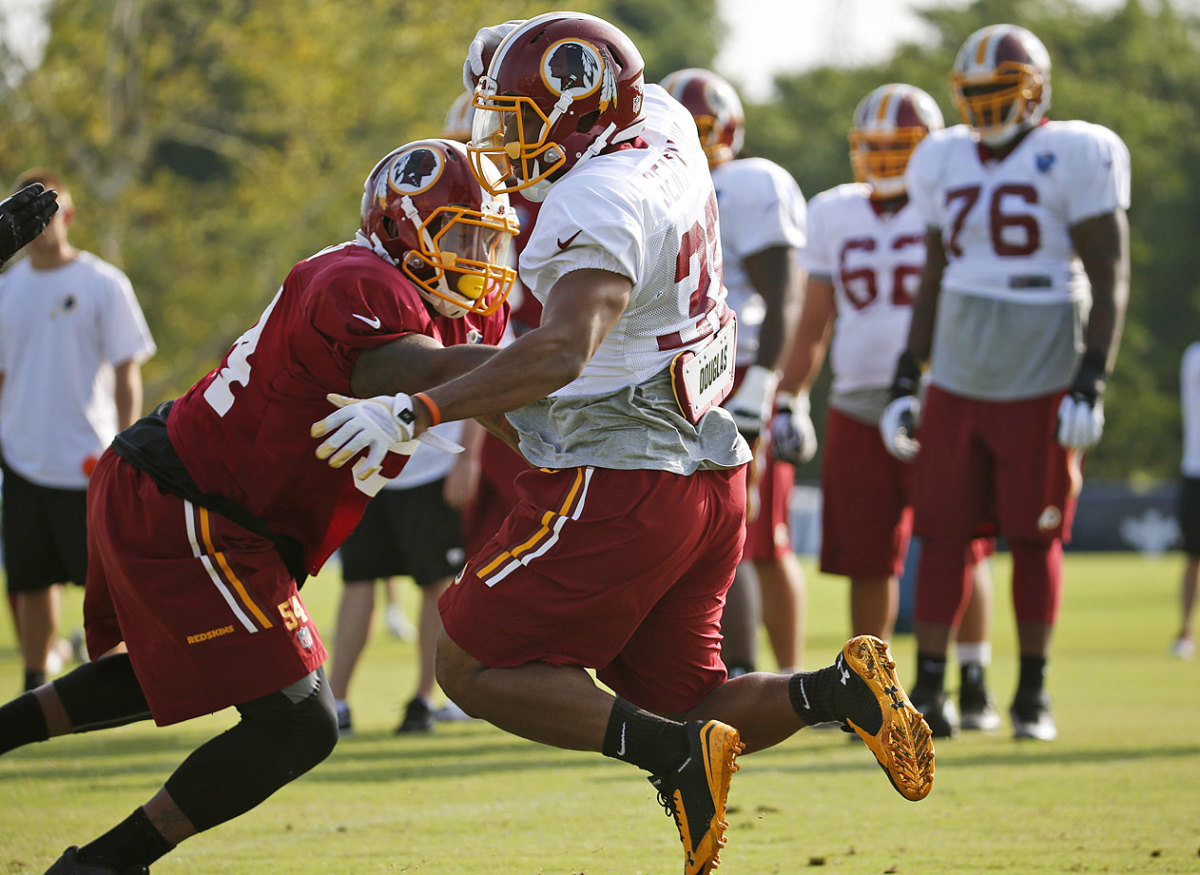
The Baylor product is behind Alfred Morris and Roy Helu on the depth chart and has developed a reputation for having awful hands. He actually dropped 10 balls and only caught nine during his two years in college. That said, Seastrunk’s running ability would make him a fantasy asset if Morris goes down with an injury.
Ka’Deem Carey - RB, Chicago Bears
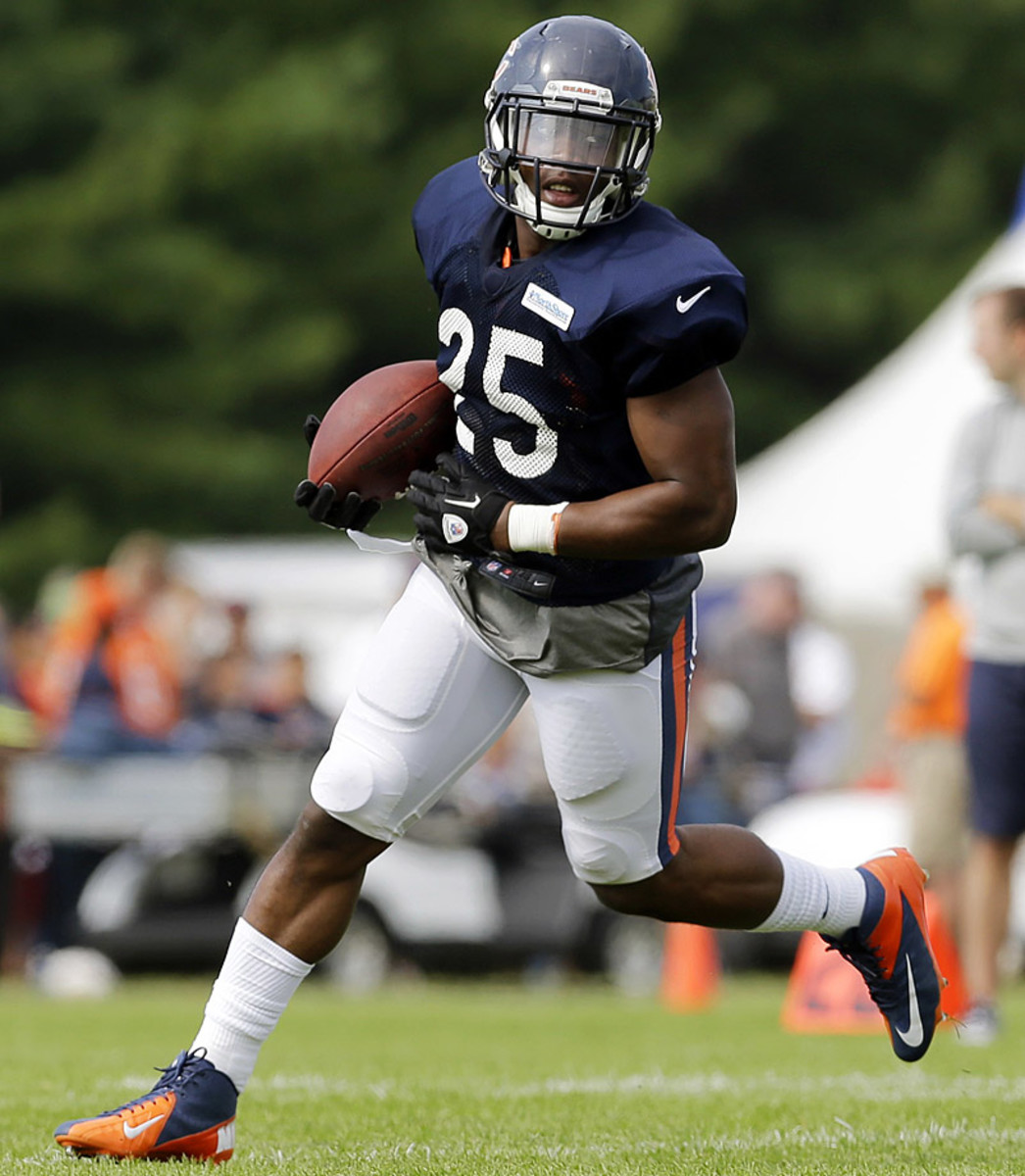
Carey is an all-around running back who is capable of stepping in and producing for fantasy owners if Matt Forte gets hurt. He’s the type of rookie who would be a hot commodity if he were drafted by a team without an elite running back.
Devonta Freeman - RB, Atlanta Falcons
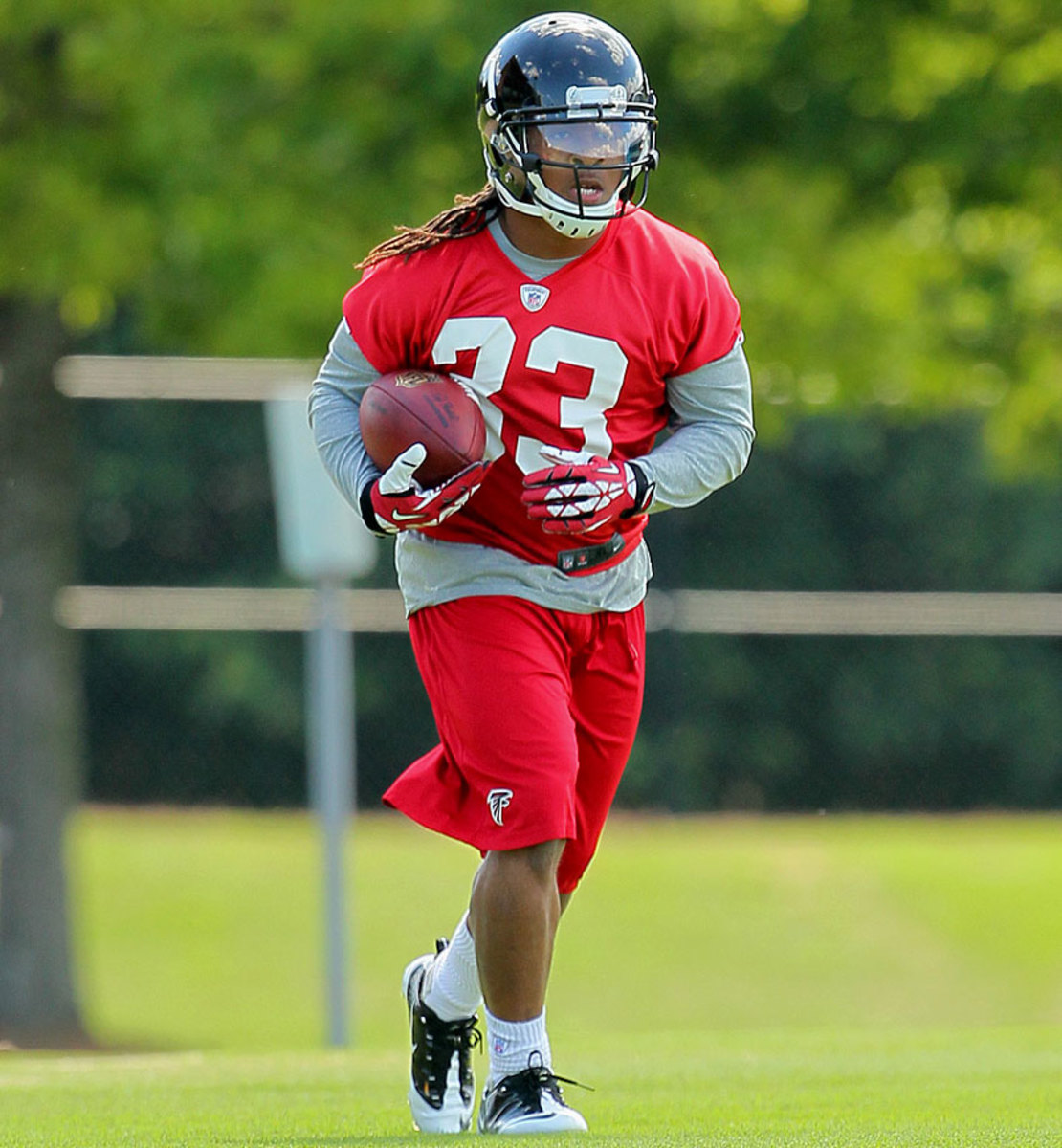
There is a legitimate chance that Freeman will eventually start over Steven Jackson; the rookie's average draft position will skyrocket with a dominant preseason. The former FSU back should see the field a lot if he can handle pass protection.
Christine Michael - RB, Seattle Seahawks
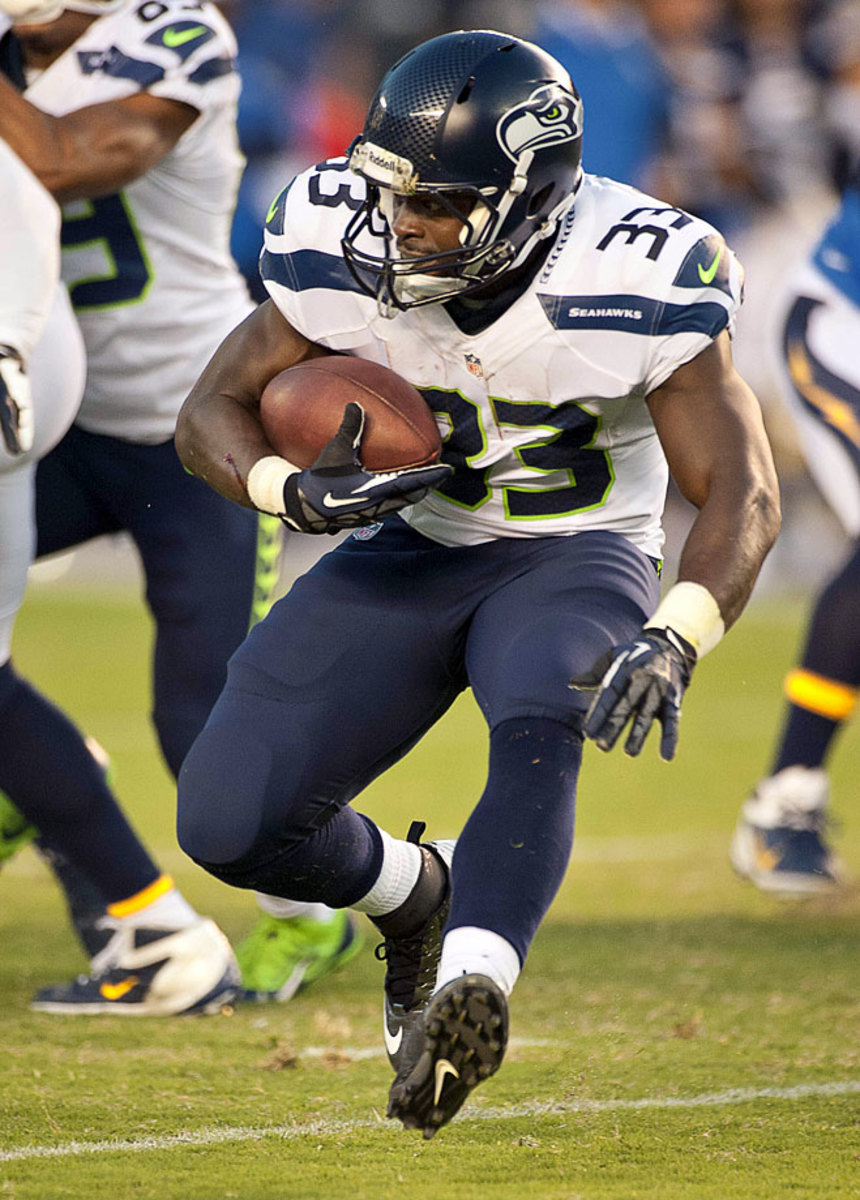
Michael is an instant stud if Marshawn Lynch goes down. Either way, the Seahawks have hinted at a committee approach and Lynch’s brief holdout may not have helped matters for the veteran running back. Michael has the skill set to provide RB1 numbers if he receives enough carries.
Carlos Hyde - RB, San Francisco 49ers
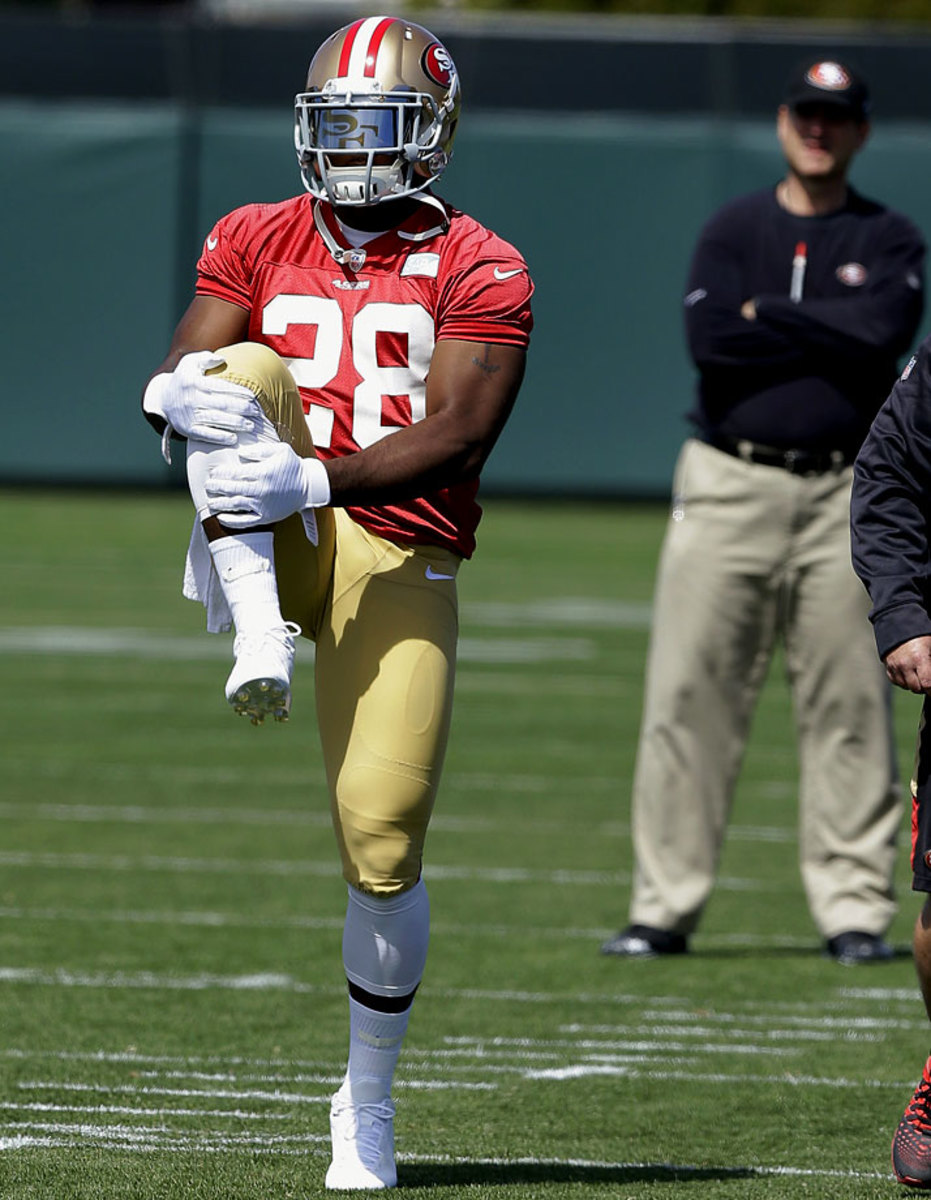
Anyone who saw Carlos Hyde at Ohio State knew he wouldn’t get buried in San Francisco, even with a crowded backfield. He’s arguably the most talented rookie RB and is one Frank Gore injury away from fantasy stardom.
Tre Mason - RB, St. Louis Rams
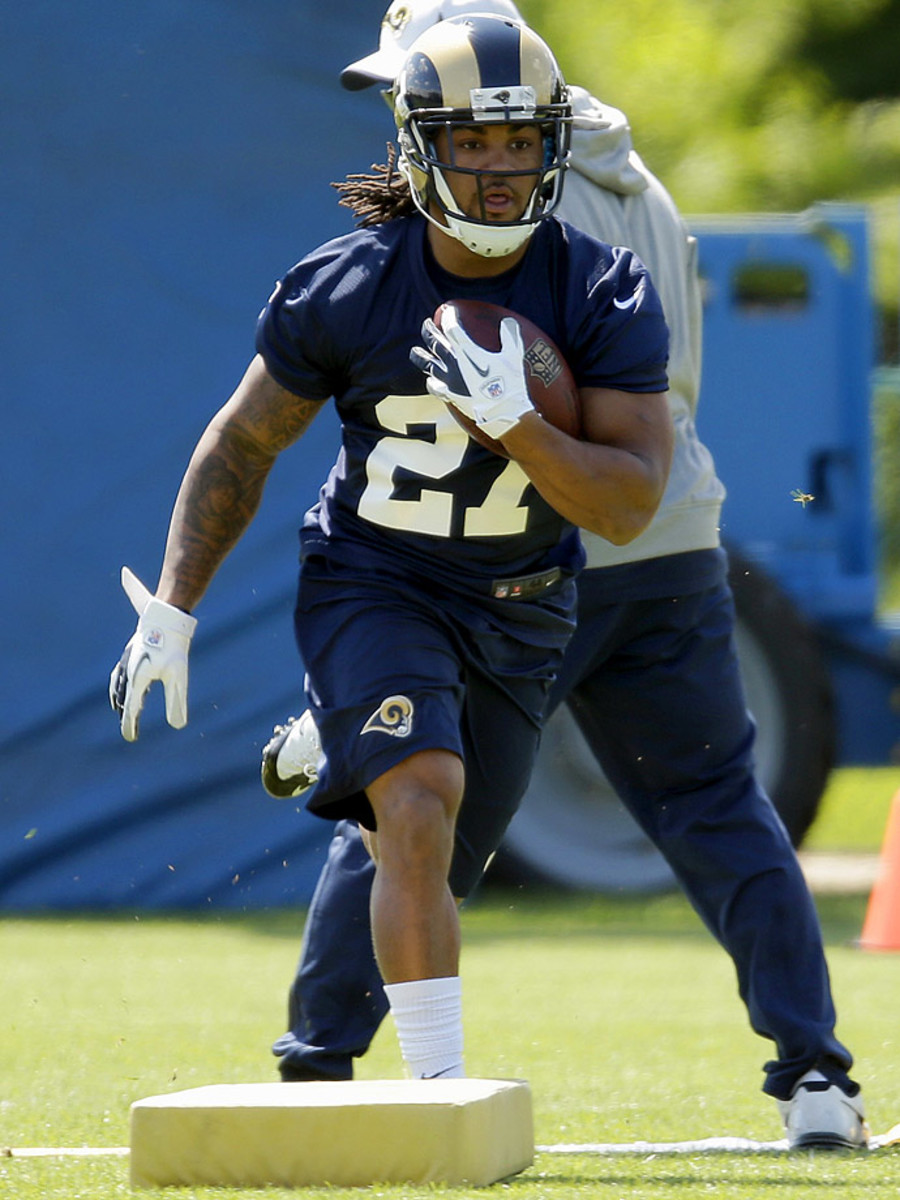
Many fantasy owners are high on Zac Stacy entering the season. But ask anyone who drafted Daryl Richardson in 2013 if Jeff Fisher is afraid to make a change at running back. The dynamic rookie Tre Mason is too talented to ride the pine forever and he’d turn into a nice fantasy option if given carries.
Chris Polk - RB, Philadelphia Eagles
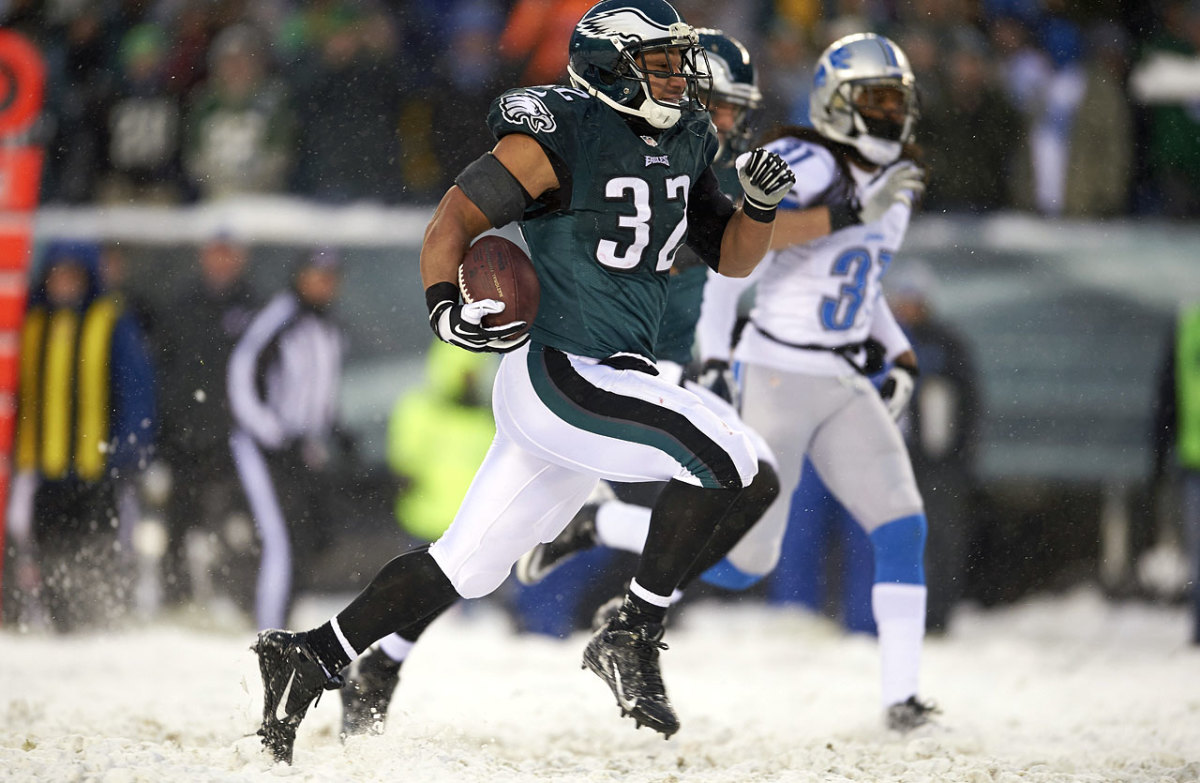
Even with Darren Sproles in town, Polk would hold a ton of fantasy value if LeSean McCoy were to miss time at any point. Chip Kelly’s offense turns RBs into fantasy stars and Polk is the clear-cut backup to McCoy.
Charles Sims - RB, Tampa Bay Buccaneers
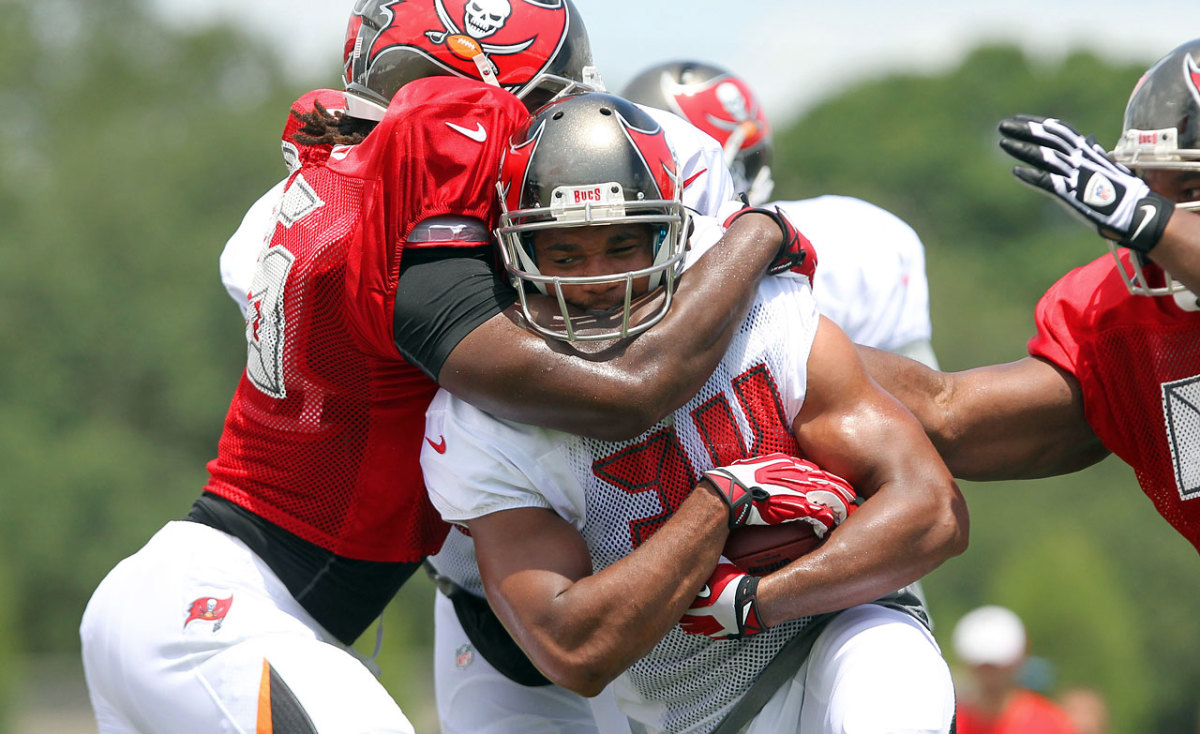
The rookie from West Virginia is expected to be an immediate handcuff to Doug Martin for fantasy purposes. Smith should contribute in passing situations early, but could steal carries from Martin as the season progresses.
Markus Wheaton - WR, Pittsburgh Steelers
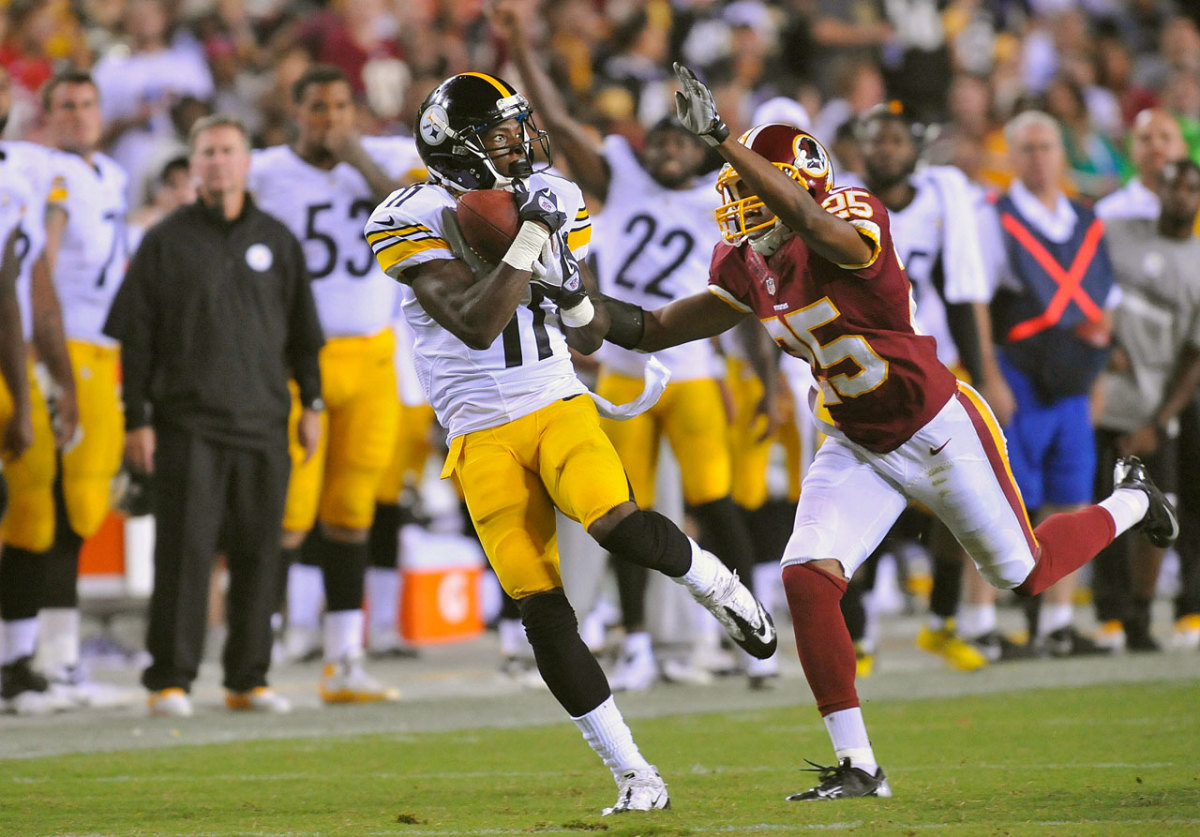
Wheaton is expected to inherit a starting gig with Jerricho Cotchery and Emmanuel Sanders gone. The sophomore from Oregon State has big-play ability and could easily emerge as a must-start fantasy option on a weekly basis.
Marqise Lee - WR, Jacksonville Jaguars
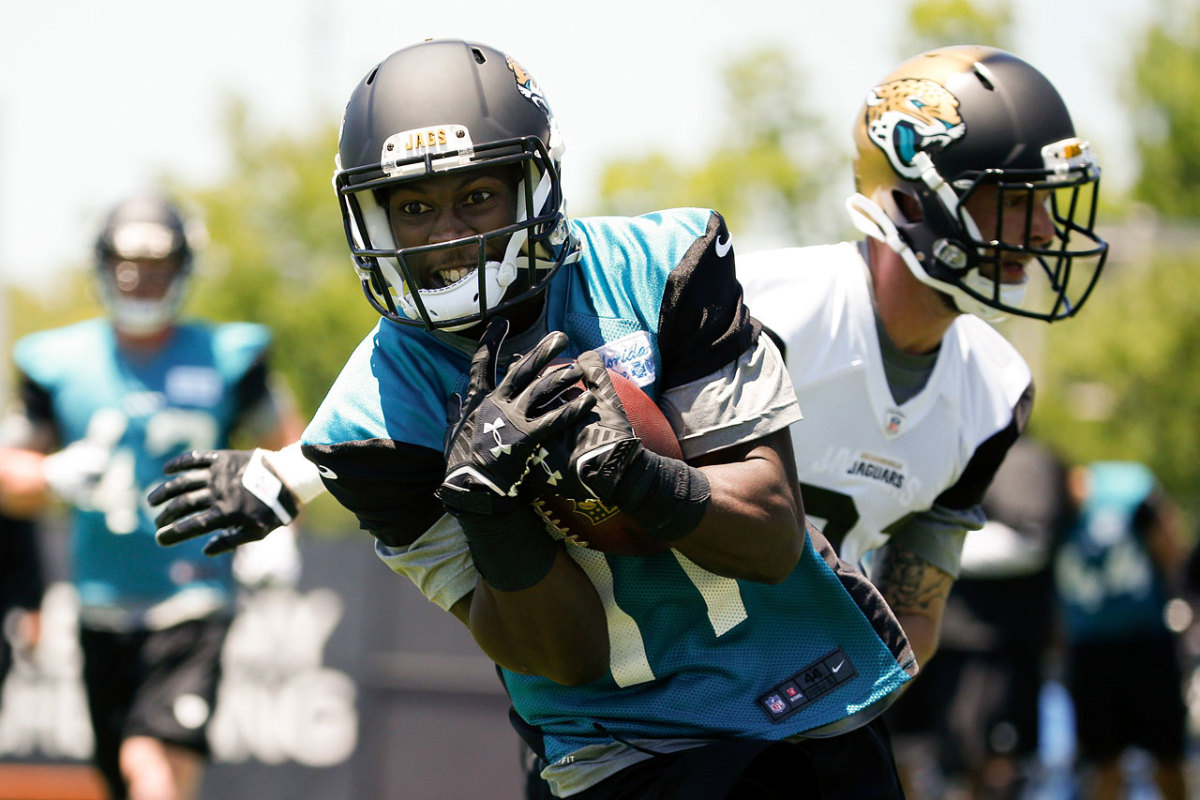
Lee is a candidate to lead the Jaguars in receptions as a rookie, but his competition isn’t exactly elite. He should be able to rack up catches and yards with Jacksonville expected to be playing from behind more often than not.
Kenny Stills - WR, New Orleans Saints
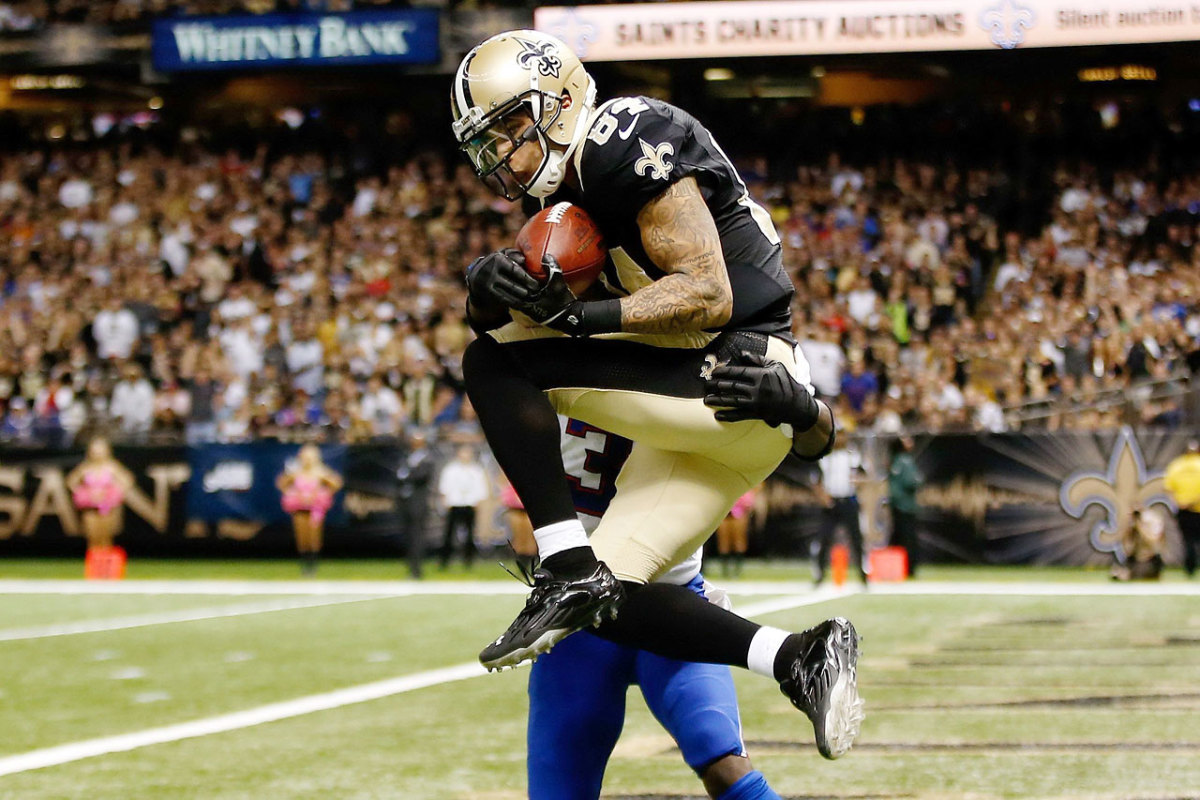
Stills has a ton of breakout potential coming off a rookie season in which he posted 641 yards on 32 catches with five TDs. He’s a big-play threat on ever possession and should easily surpass the 46 targets he received last season. He might only need 50 catches to score double-digit TDs.
Kelvin Benjamin - WR, Carolina Panthers
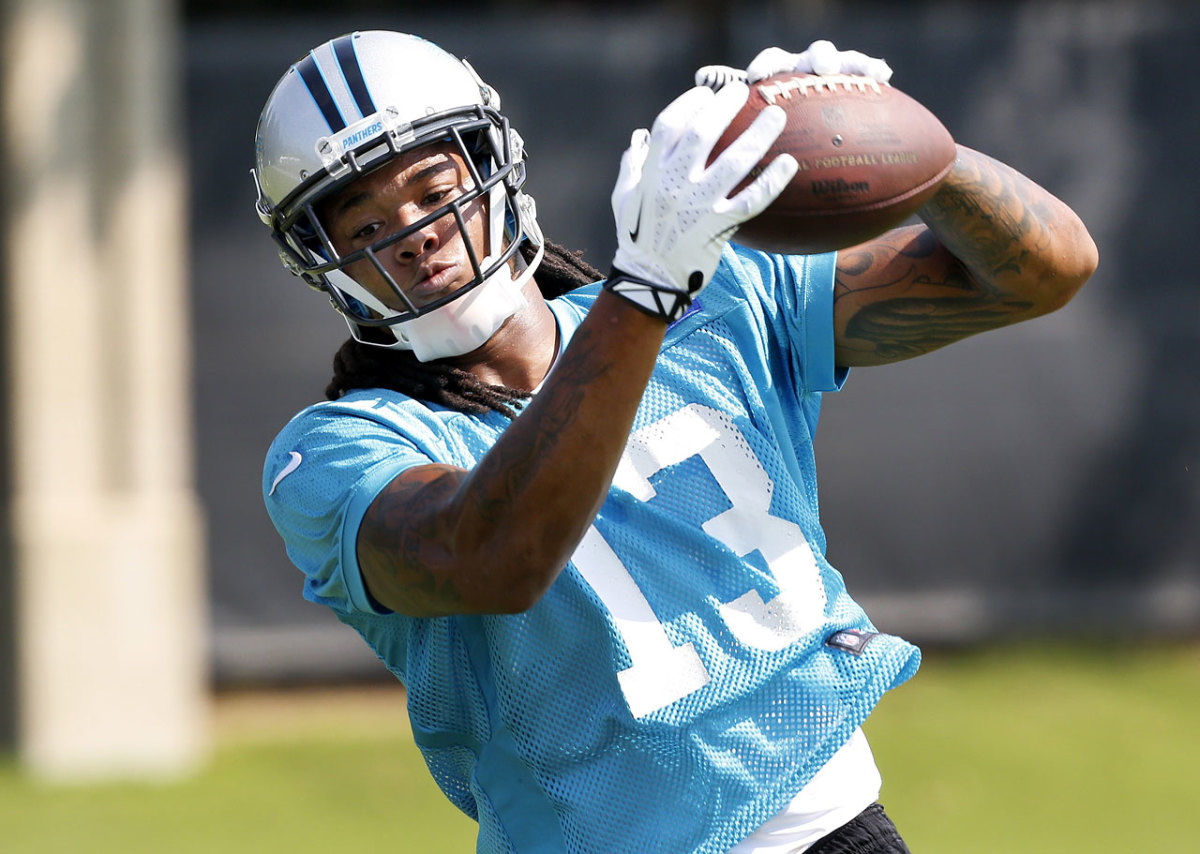
The 6-foot-5, 240-pound, No. 28 overall pick is a perfect red-zone target and he could help the Panthers win games immediately. For fantasy purposes, he’s merely a WR3 or a WR4 until he proves he can be more than just a TD-dependent gamble on a weekly basis.
Tavon Austin - WR, St. Louis Rams
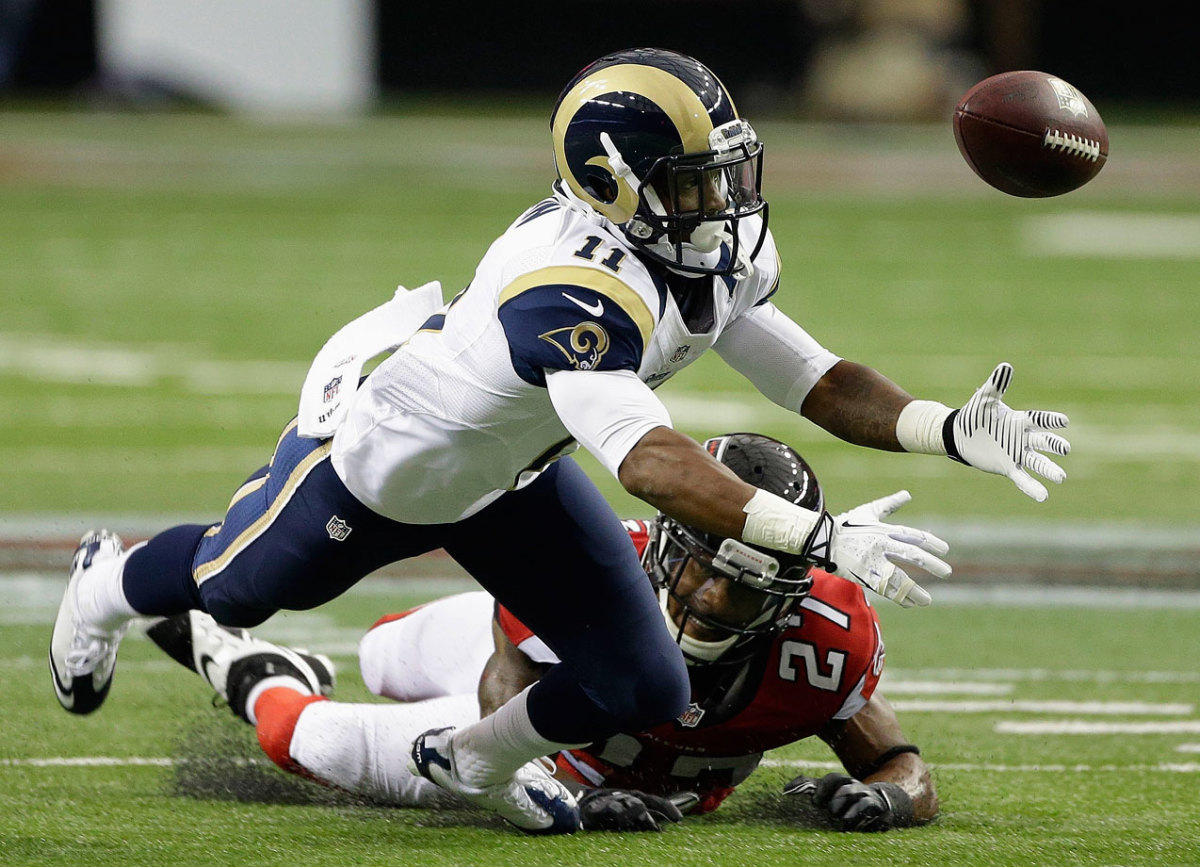
As a rookie in 2013, Austin only caught 40 passes for 418 yards and never really found a true role. He’s admitted that the adjustment from college to the NFL took a toll on him and he continuously dropped passes early in the season. If things click in his second year, Austin has the skillset to be a star.
Justin Hunter - WR, Tennessee Titans
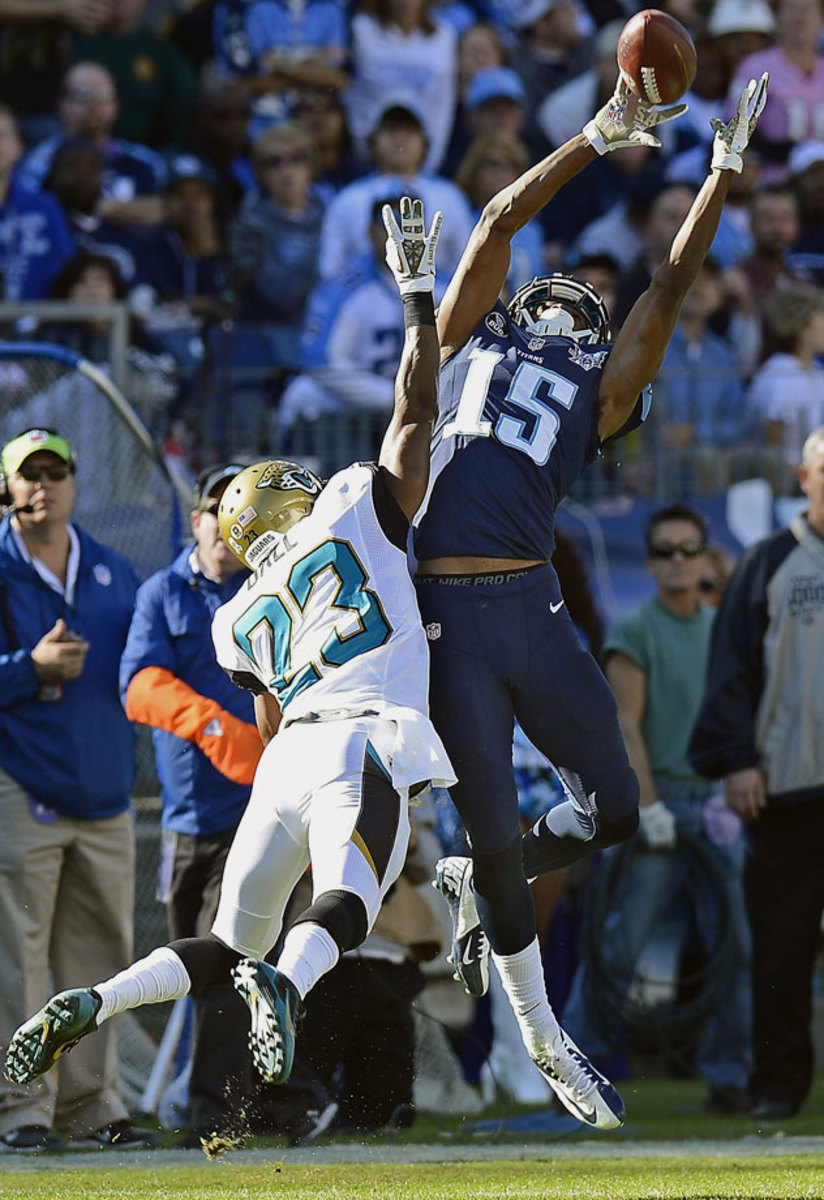
The second-year receiver showed signs of his high ceiling last season with a few big games down the stretch. Hunter has the tools to develop into a WR1 in his prime and should play a prominent role on young Titans’ offense.
Jordan Matthews - WR, Philadelphia Eagles
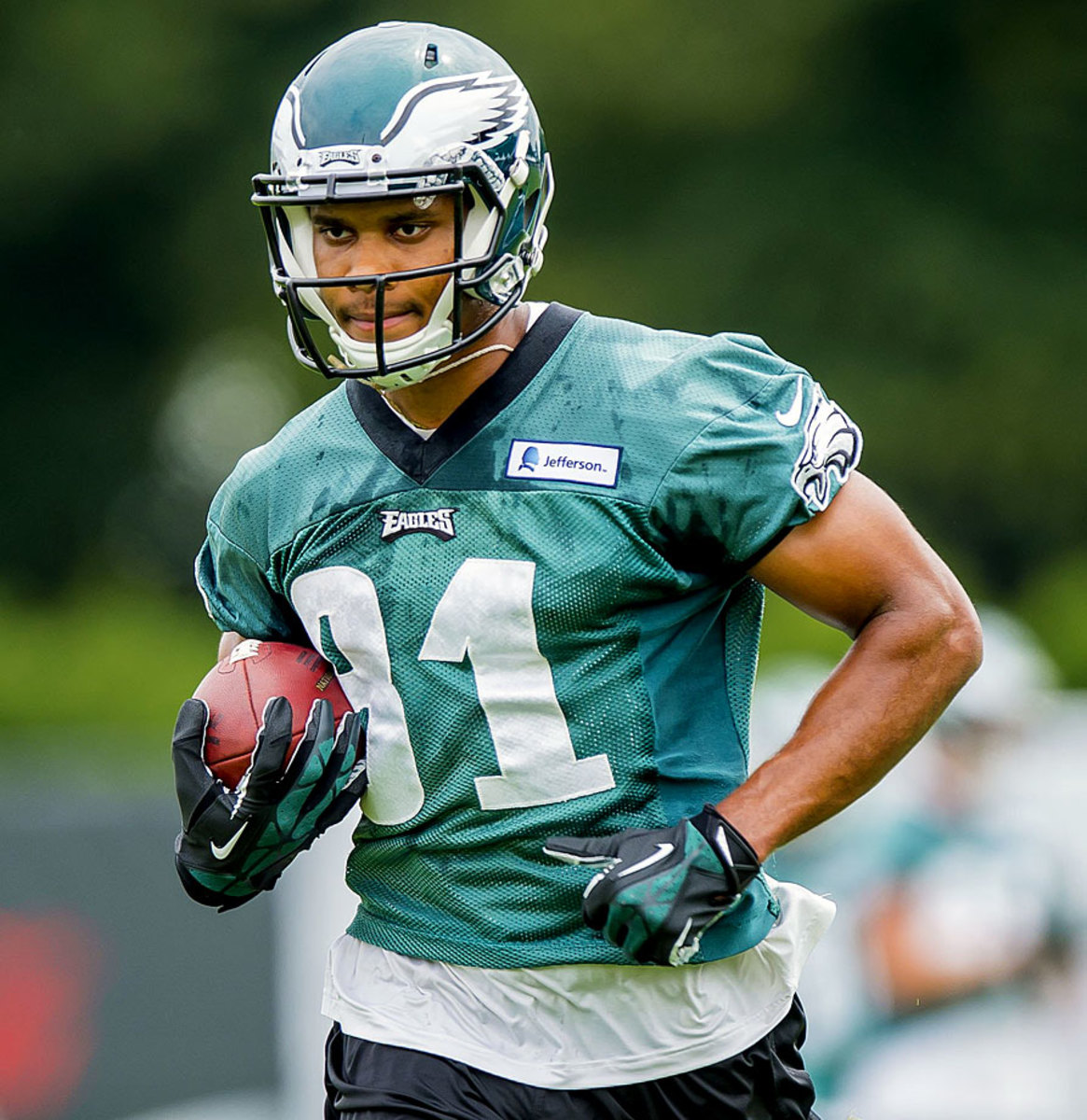
DeSean Jackson’s departure opens the door for Matthews to step up. The 2014 season could turn into a perfect storm for Matthews to succeed with Jeremy Maclin coming off a torn ACL and Riley Cooper coming off a career season.
Eric Ebron - TE, Detroit Lions
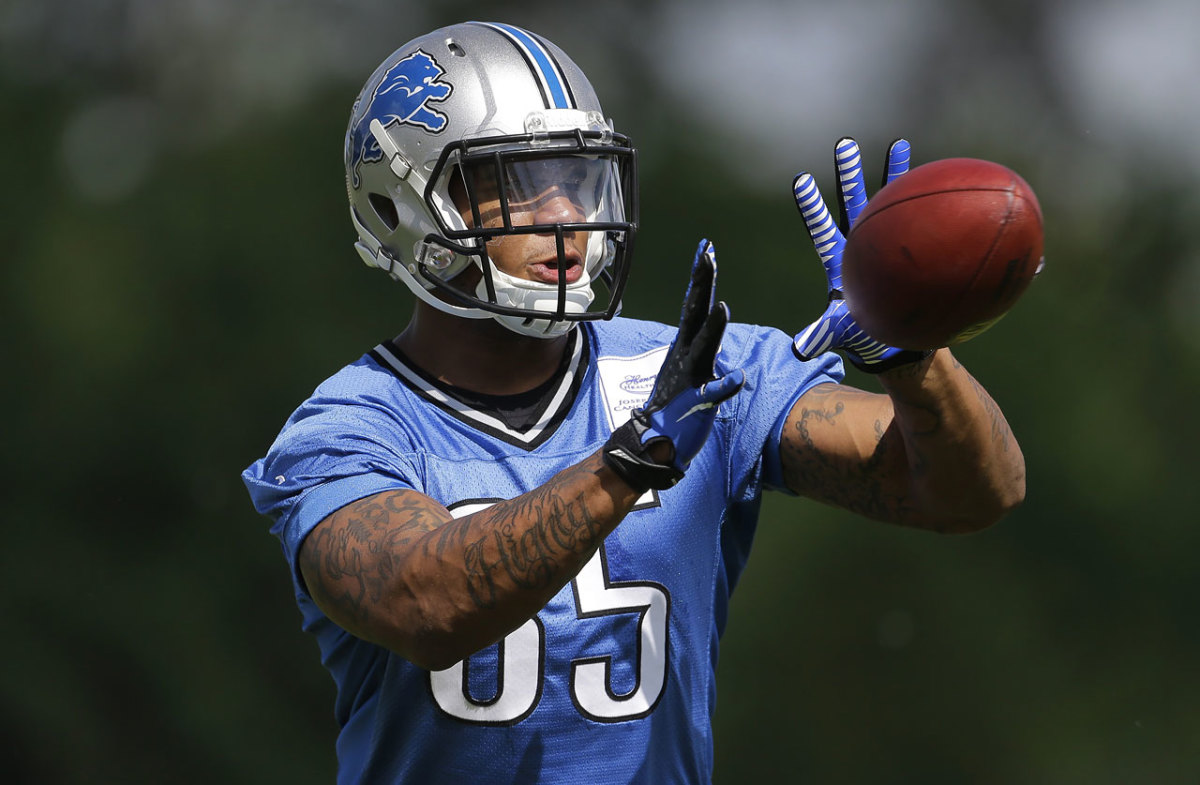
The Lions turned heads when they selected Ebron No. 10 overall in May’s Draft. It might take a season or two for the UNC product to reach his potential, but Ebron is an elite fantasy TE in the making. He’s been compared to Jimmy Graham and has the skillset to live up to his lofty expectations.
Ladarius Green - TE, San Diego Chargers
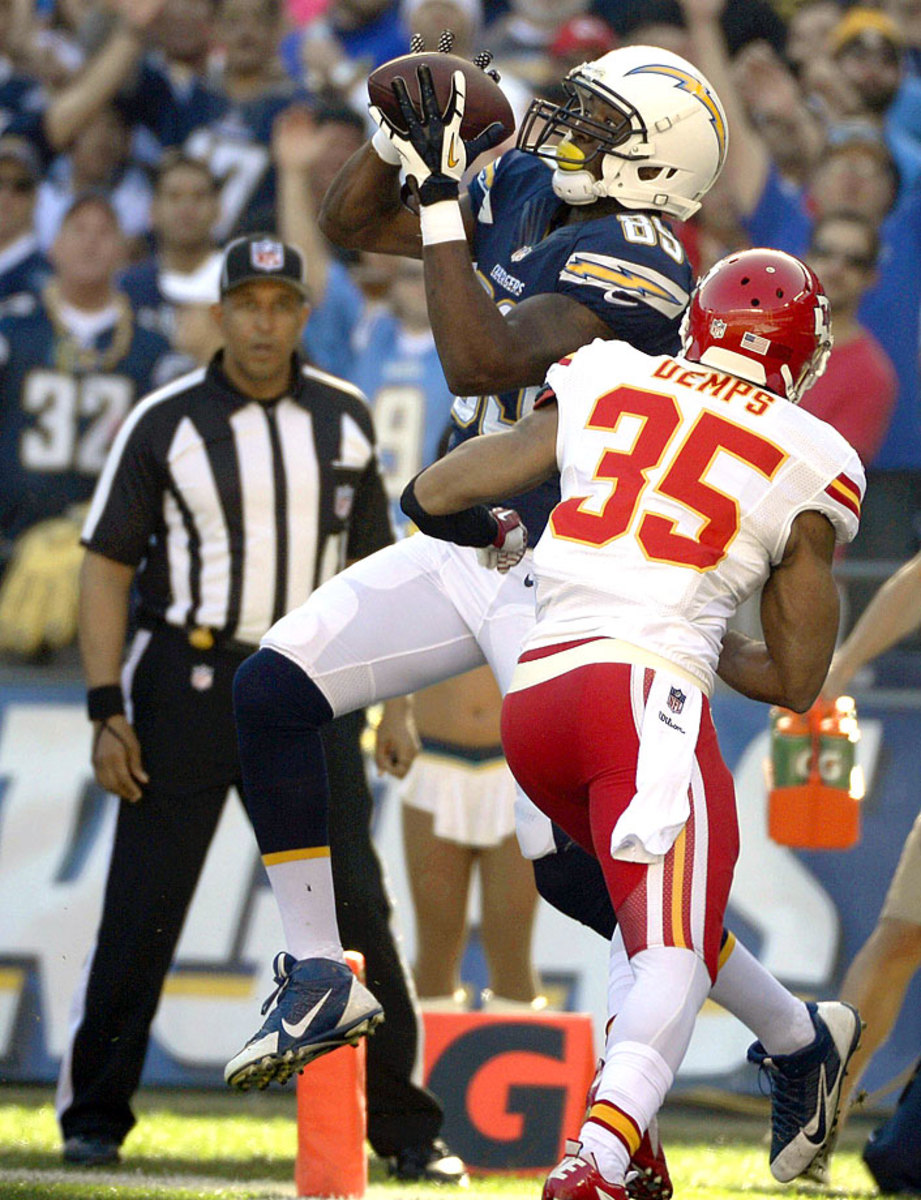
The 6-6, 237-pound Green is an obvious red-zone target and has the tools to be an impact fantasy option if he receives ample targets. Antonio Gates, the incumbent TE in San Diego, is 34 and slowed significantly down the stretch in 2013. Green caught 17 passes for 376 yards and three TDs last season, highlighted by a three-game stretch in which he caught nine balls for 206 yards and two scores.
Matthew Stafford, Lions
ADP: 45.1
Player before: Bishop Sankey (44.9)
Player after: Cordarrelle Patterson (47.1)
There is an important development with the quarterback position in fantasy this year that needs to be discussed. There’s a swelling chorus suggesting that it no longer makes sense to wait on a quarterback, given the preeminence of passing offenses in today’s NFL. Aaron Rodgers, Peyton Manning and Drew Brees make up the first tier and deserve to be off the board within the first 20-25 picks of most drafts. After that, though, waiting on a quarterback still makes sense. The rise of dynamic passing offenses has elevated the elite quarterbacks to previously unheard-of levels, while brining the back-end of the fantasy starting class more in line with the glut of options in the middle. That means that, unless you get him at a serious discount, Stafford could arguably be the worst pick in your draft.
Consider the difference between Stafford, the No. 4 quarterback by ADP, and Tony Romo, the No. 12 quarterback, coming off the board nearly 50 picks later in an average draft. First, their production has been eerily similar over the last three years. This same information can be found in our Cowboys preview, but it bears repeating here.
Matthew Stafford:
2011 – 5,038 yards, 7.6 yards per attempt, 41 touchdowns, 16 interceptions
2012 – 4,967 yards, 6.83 YPA, 20 TDs, 17 INTs
2013 – 4,650 yards, 7.33 YPA, 29 TDs, 19 INTs
Tony Romo
2011 – 4,184 yards, 8.02 YPA, 31 TDs, 10 INTs
2012 – 4,903 yards, 7.57 YPA, 28 TDs, 19 INTs
2013 – 3,828 yards, 7.16 YPA, 31 TDs, 10 INTs
Peyton Manning, Aaron Rodgers, Drew Brees headline list of top QBs
.
Both Stafford and Romo have elite receivers (Calvin Johnson and Dez Bryant) and solid second bananas (Golden Tate and Terrance Williams). Romo has the edge at tight end (Jason Witten over Eric Ebron) and we’ll call the running back battle of DeMarco Murray vs. Reggie Bush/Joique Bell a wash. When it comes to weapons, Romo has a slight edge.
Again, this is about finding the right pieces to fit together. Some backs and receivers typically on the board when Stafford’s name is called include Michael Crabtree, Shane Vereen, DeSean Jackson, Trent Richardson and Chris Johnson. Meanwhile, the top backs and receivers available in an average draft when Romo is selected are guys like Rueben Randle, Darren McFadden and DeAngelo Williams. In other words, the opportunity cost of taking Stafford over the last starting quarterback in a 12-team league is dropping down from legitimate RB2s/3s and WR2s to depth backs and receivers. That is prohibitive. Unless the price comes down, pass on Stafford.
 Add us as a preferred source on Google
Michael Beller is SI.com's fantasy sports editor and a staff writer covering fantasy, college basketball and MLB. He resides in Chicago and has been with SI.com since 2010.